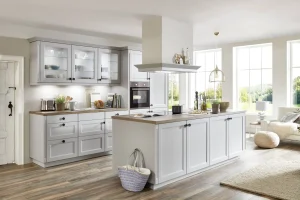

Hotel Furniture Export Turkey
1. The Global Ascendancy of Turkish Hospitality Manufacturing
The international market for hotel furniture is highly competitive, yet the volume of Hotel Furniture Export Turkey has experienced exponential growth over the past decade. This rise is not accidental; it is driven by a unique convergence of geographic advantages, fully integrated local supply chains, and advanced engineering capabilities.
                      ┌───────────────────────────────┐
                      │   The Turkish Edge in FF&E    │
                      └───────────────┬───────────────┘
                                      │
         ┌────────────────────────────┼────────────────────────────┐
         ▼                            ▼                            ▼
┌──────────────────┐        ┌──────────────────┐        ┌──────────────────┐
│ Structural Value │        │ Strategic Location│        │ Mass Customization│
├──────────────────┤        ├──────────────────┤        ├──────────────────┤
│ Fully integrated │        │ Dual-continent   │        │ Merging automated│
│ domestic raw     │        │ logistics lanes  │        │ CNC precision    │
│ materials supply │        │ to EMEA & Americas│        │ with artisan wood│
│ chains.          │        │ markets.         │        │ hand-finishing.  │
└──────────────────┘        └──────────────────┘        └──────────────────┘
Strategic Location and Multi-Modal Logistics
Turkey acts as a natural bridge between Europe, Asia, and the Middle East. For international procurement teams, this means drastically reduced shipping times compared to East Asian manufacturing hubs. A container shipped from Turkey can reach major European ports or Middle Eastern project sites in less than a week, minimizing the supply chain disruptions that frequently derail hotel construction timelines.
Comprehensive Vertical Integration
Unlike manufacturing hubs that rely heavily on imported components, the Hotel Furniture Export Turkey ecosystem is almost entirely self-sustaining. Turkey is a major producer of:
- Premium commercial-grade textiles and performance fabrics (Bursa).
- High-density engineered wood panels, MDF, and particleboards (Kastamonu Entegre, Starwood).
- Heavy-duty structural steel, aluminum profiles, and custom architectural hardware.
- Advanced polyurethane foams and cushioning matrices.
This domestic availability of raw materials insulates Turkish manufacturers from global supply shocks, ensures strict quality control from raw state to finished item, and provides exceptional price stability during multi-year procurement contracts.
2. Structural Engineering Standards for Commercial Hospitality FF&E
Residential furniture is designed for light, predictable use. Commercial hotel furniture must withstand continuous, high-impact exploitation by guests of varying weights and behaviors. Turkish export manufacturers design products to meet rigorous international performance tests.
Key International Testing Standards Followed in Turkey
When evaluating suppliers for Hotel Furniture Export Turkey, procurement officers look for adherence to structural safety norms certified by independent international labs such as TÜV Rheinland, SGS, or Intertek:
| Performance Metric | European Standard (EN) | American Standard (BIFMA) | Technical Focus |
|---|---|---|---|
| Seating Structural Integrity | EN 1728 / EN 16139 | ANSI/BIFMA X5.4 | Evaluates seat and back static load tests, cyclic durability, and drop testing. |
| Table Stability & Strength | EN 1730 | ANSI/BIFMA X5.5 | Measures horizontal force resistance, structural deflection, and tipping hazards. |
| Storage Units & Wardrobes | EN 16121 / EN 16122 | ANSI/BIFMA X5.9 | Tests door hinge cycles, drawer slide longevity, and structural rigidity under full load. |
Advanced Joinery Engineering
To ensure casegoods and seating survive decades of commercial use, Turkish engineers utilize advanced joinery methods:
- Double-Doweled and Mortise-and-Tenon Jointing: Critical stress joints in solid wood frames are never merely glued or screwed. They are machined using computerized CNC copy-shapers to create tight mortise-and-tenon connections, reinforced with industrial-grade polyvinyl acetate (PVA) cross-linking glues.
- Corner Block Reinforcements: All structural corners in bed bases, wardrobes, and vanity units feature solid hardwood corner blocks glued and securely fastened with heavy-duty twin-thread screws to absorb torsional forces.
- Metal-to-Metal Connections: For furniture shipped knocked-down (KD) to optimize container volume, Turkish exporters integrate steel cam-lock fasteners and threaded inserts. This ensures the furniture can be assembled on-site without stripping wood fibers, maintaining structural rigidity over time.
3. Fire Retardancy, Sustainability, and Health Compliance
Modern hotel projects must comply with strict regional safety and environmental building codes. The Hotel Furniture Export Turkey sector has adapted its production lines to ensure complete compliance with international fire safety and chemical emission regulations.
                  ┌───────────────────────────────┐
                  │    Regulatory Compliance      │
                  └───────────────┬───────────────┘
                                  │
         ┌────────────────────────┴────────────────────────┐
         ▼                                                 ▼
┌─────────────────────────────────┐               ┌─────────────────────────────────┐
│     Fire Retardancy Norms       │               │     Chemical Emission Norms     │
├─────────────────────────────────┤               ├─────────────────────────────────┤
│ • UK Standard: BS 5852 (Crib 5) │               │ • Formaldehyde: European E1/E0  │
│ • US Standard: CAL 133 / 117    │               │ • LEED V4 Certification         │
│ • EU Standard: EN 1021 Part 1/2 │               │ • Low-VOC Waterborne Finishes   │
└─────────────────────────────────┘               └─────────────────────────────────┘
Fire Retardancy Protocols for Upholstery
For guestrooms and public spaces, fabrics, foams, and interliners must resist ignition from cigarettes, matches, or open flames. Turkish manufacturers source and certify components to meet:
- BS 5852 (Crib 5): The stringent British Standard mandatory across the UK and Middle Eastern hospitality sectors. It subjects upholstered assemblies to flaming wooden crib structures to test self-extinguishing capabilities.
- CAL 117 / CAL 133: The California Technical Bulletins required for North American projects, focusing on component and full-scale open-flame chair testing.
- EN 1021 (Parts 1 & 2): The baseline European standard assessing upholstery ignition resistance against smoldering cigarettes and match-equivalent gas flames.
Chemical Emissions and Indoor Air Quality (IAQ)
To achieve green building certifications like LEED V4 or BREEAM, hotels require furniture with minimal chemical off-gassing. Turkish exporters utilize:
- E1 and E0 Engineered Wood Cores: Substrates certified to emit near-zero levels of formaldehyde, meeting strict European chemical safety laws.
- Low-VOC and Waterborne Finishes: Transitioning away from old nitrocellulose lacquers, top manufacturers use ultra-violet (UV) cured polyurethane or water-based acrylic coatings that emit zero or low Volatile Organic Compounds (VOCs), ensuring safe indoor air quality for hotel guests.
4. Material Selection and Technical Customization Matrix
The soul of a successful hospitality interior lies in its material composition. The Hotel Furniture Export Turkey industry offers an expansive matrix of materials engineered specifically to balance aesthetic goals with commercial longevity.
Solid Wood and Veneer Technologies
While solid wood is prized for its organic beauty, using solid timber across large furniture panels in hotels can lead to warping, splitting, or checking due to cycling HVAC systems. Turkish manufacturers mitigate this through advanced engineering:
- Core Stabilization: Large flat surfaces (like desk tops, headboards, and wardrobe doors) are built using high-density MDF or multi-layered marine plywood cores.
- Exotic Veneer Layons: These stabilized cores are pressed with premium, architectural-grade natural wood veneers (such as American Walnut, European Oak, Ash, or Ebony).
- Splicing and Matching: Using automated veneer guillotine and splicing machines, craftsmen create flawless book-matched, slip-matched, or radial radial-pattern layons that elevate the visual prestige of the guestroom.
High-Pressure Laminates (HPL) vs. Melamine-Faced Chipboard (MFC)
For economy, midscale, or extended-stay hotel properties, surface durability is paramount. Turkish exporters provide high-performance laminate options:
| Material Type | Technical Configuration | Impact Resistance | Primary Application |
|---|---|---|---|
| High-Pressure Laminate (HPL) | Multi-layered kraft paper impregnated with phenolic resins, pressed under >5 MPa pressure. | Exceptional: Resists heavy impacts, deep scratches, cigarette burns, and harsh chemical sanitizers. | Room entry areas, luggage racks, vanity countertops, and room service table surfaces. |
| Melamine-Faced Chipboard (MFC) | A single decorative paper layer thermally fused directly onto a particleboard core under lower pressure. | Moderate: Cost-effective and scratch-resistant, but susceptible to edge impact chipping. | Wardrobe interiors, internal shelving units, side panels, and low-touch vertical elements. |
Technical Performance Fabrics
Upholstered furniture items in high-traffic hotel lobbies, bars, and all-day dining restaurants face daily spills, abrasion, and intense cleaning regimens. Turkish textile labs formulate fabrics with remarkable performance indices:
- Martindale Abrasion Test: Public space seating is specified with fabrics enduring over 50,000 to 100,000 rubs, ensuring the surface will not pill, thin, or tear over years of constant friction.
- Stain-Repellent Chemistry: Fabrics are treated at the molecular level with hydrophobic and oleophobic barriers (such as Nanotex or Teflon treatments). Spills like red wine, coffee, or oil bead up on the surface instead of penetrating the fibers, allowing housekeeping teams to wipe them clean easily.
5. Major Manufacturing Clusters of Hotel Furniture Export Turkey
The strength of the Turkish manufacturing model lies in its regional specialization. Turkey does not have a single monolithic furniture center; instead, it features highly concentrated industrial clusters. Each cluster has its own distinct production philosophy, technical capabilities, and target market segments.
       ┌────────────────────────────────────────────────────────┐
       │     Key Manufacturing Clusters across Turkey           │
       └───────────────────────────┬────────────────────────────┘
                                   │
         ┌─────────────────────────┼─────────────────────────┐
         ▼                         ▼                         ▼
┌─────────────────┐       ┌─────────────────┐       ┌─────────────────┐
│     Bursa       │       │    Istanbul     │       │     Kayseri     │
│   (İnegöl)      │       │   (Modoko/MASKO)│       │  (Anatolian Hub)│
├─────────────────┤       ├─────────────────┤       ├─────────────────┤
│ • Advanced wood │       │ • Bespoke luxury│       │ • High-volume   │
│   processing    │       │ • High-end FF&E │       │   manufacturing │
│ • Mass-modular  │       │ • Engineering   │       │ • Metal-wood    │
│   customization │       │   headquarters  │       │   integration   │
└─────────────────┘       └─────────────────┘       └─────────────────┘
İnegöl (Bursa): The Global Epcenter of Modular Production
İnegöl is an industrial marvel, containing hundreds of highly automated furniture factories operating within an interconnected ecosystem.
- Capabilities: This cluster specializes in mass-modular furniture manufacturing. It features state-of-the-art European machinery setups, including automated panel saws, edge-banders with polyurethane (PUR) or laser-zero-edge technology, and multi-axis CNC drilling centers.
- Target Segment: İnegöl is the premier hub for high-volume Hotel Furniture Export Turkey contracts targeting large 3-star and 4-star select-service hotels, residential apartments, and massive international resort developments requiring high consistency, aggressive price configurations, and swift production turnaround times.
Istanbul (MASKO & Modoko Ecosystems): The Bespoke Luxury Hub
As the commercial and creative capital of Turkey, Istanbul plays a highly specialized role in the international design community.
- Capabilities: Istanbul-based manufacturers focus heavily on custom engineering, high artisanal craftsmanship, and avant-garde luxury. These facilities work in close collaboration with global architectural design powerhouses. They handle complex mixed-material integration, incorporating hand-forged metals, cast glass, custom-veined marble, and exotic marquetry into their creations.
- Target Segment: This cluster represents the pinnacle of luxury for Hotel Furniture Export Turkey, supplying bespoke FF&E packages to legendary 5-star properties, ultra-luxury boutique hotels, high-end presidential suites, and historic palace renovations worldwide.
Kayseri: The Automated Anatolian Megacluster
Located in central Anatolia, Kayseri hosts massive, horizontally integrated production campuses.
- Capabilities: Kayseri factories excel at massive scale and advanced material combination. They feature fully automated metalworking plants running in parallel with advanced upholstery and casegood lines. They specialize in high-durability steel-framed bedding systems, automated metal furniture, and public area seating.
- Target Segment: Kayseri is optimized for high-volume corporate accounts, military base accommodations, student housing complexes, and midscale hotel franchises that require extreme structural durability and high standardization across thousands of identical units.
6. Proactive Engineering and Value Engineering (VE) Practices
A common issue in hospitality procurement is an architectural design that looks beautiful on paper but proves prohibitively expensive to manufacture or structurally fragile in practice. Turkish exporters excel at Value Engineering (VE), working as collaborative technical partners rather than passive assembly lines.
       ARCHITECTURAL DESIGN                     PROACTIVE VE ALTERNATIVE
──────────────────────────────────────────────────────────────────────────
[Solid Walnut Panels]     ───► [VE Analysis] ───► [MDF Core + Balanced Veneer]
• Risk of warping/splitting                       • Zero warping risk
• High material expense                           • Highly cost-effective
• Inconsistent grain matching                     • Flawless book-matching
──────────────────────────────────────────────────────────────────────────
                               Result: Optimized Longevity & Lower Capital Outlay
Intelligent Material Subsituations
When reviewing a project’s bill of quantities (BOQ), Turkish engineering teams look for areas to maximize durability while optimizing the developer’s capital expenditure:
- Countertop Optimization: If the design calls for natural Carrara marble for guestroom vanity tops, the manufacturer might highlight risks regarding acid etching and staining from guest toiletries. They can propose a transition to premium engineered quartz or sintered stone surfaces, which match the luxurious look while offering zero porosity and higher scratch resistance.
- Hardware Longevity: Instead of generic hardware, Turkish suppliers integrate world-class German, Austrian, or premium domestic drawer runners and soft-close hinges (such as Blum, Hettich, or Samet). This proactive upgrade prevents sagging wardrobe doors and stuck drawers, minimizing long-term hotel maintenance overheads.
Optimization for Knocked-Down (KD) Shipping
International logistics costs can break a project budget if furniture is transported fully assembled, shipping mostly empty air. Turkish engineering departments use specialized software to analyze and break down complex designs into highly stable, flat-packed knocked-down systems:
- This optimization can double or triple the amount of furniture packed into a single 40ft HC container.
- It significantly lowers cross-border freight costs per room.
- The designs utilize heavy-duty locating pins and pre-aligned connecting hardware, making on-site assembly fast and simple for local installation crews.
7. The Procurement Process, Quality Gates, and Mock-up Rooms
Sourcing from the Hotel Furniture Export Turkey sector follows a structured, transparent procurement methodology. This ensures absolute alignment between the interior designer’s vision, the owner’s budget, and the factory’s final output.
┌─────────────────┐       ┌─────────────────┐       ┌─────────────────┐
│  Phase 1: BOQ   │──────►│ Phase 2: Mockup │──────►│ Phase 3: Mass   │
│  & Shop Drawing │       │  Room Review    │       │   Production    │
└─────────────────┘       └─────────────────┘       └─────────────────┘
Phase 1: Technical Shop Drawings and Material Submittals
The project kicks off with the technical team translating the interior designer’s conceptual layouts into detailed factory production shop drawings:
- Every millimetric dimension, clear internal clearance, cable-management passage, and joint detail is meticulously documented.
- Concurrently, the manufacturer prepares physical material boards containing labeled samples of the exact wood veneers, lacquer gloss levels, fabric selections, and metal finishes for formal sign-off by the client and design team.
Phase 2: The Critical Mock-up Room Review
For hotels exceeding a specific room count, manufacturing a physical mock-up room is a mandatory quality gate before mass production begins.
- The factory builds one complete set of room furniture exactly to the agreed specifications.
- The client, operator brand representatives, and interior designers inspect this mockup room—either at the factory’s specialized showroom in Turkey or directly on the active hotel construction site.
- The mockup allows stakeholders to verify ergonomic comfort, test the integration of lighting and power outlets, check real-world fabric colors under local lighting conditions, and implement adjustments before unleashing full mass production.
Phase 3: Continuous Quality Gates and Production Progress Tracking
Once the mock-up room is approved and signed off, mass production commences under a strict Quality Assurance (QA) regimen divided into four clear gates:
[ Gate 1: Material Receipt ] ──► Inspects incoming lumber moisture & substrate density.
[ Gate 2: CNC & Machining ]  ──► Verifies dimensional tolerances down to ±0.5mm.
[ Gate 3: Pre-Upholstery ]   ──► Audits frame structural integrity & glue cure lines.
[ Gate 4: Final Inspection ] ──► Tests drawer actions, leveling, and finish consistency.
8. Export Logistics, Customs Protocols, and Global Freight Advantages
Executing a successful Hotel Furniture Export Turkey project requires deep expertise in cross-border trade, international logistics compliance, and heavy freight handling.
Efficient Shipping Channels to Global Markets
- The European Road Freight Network: For projects in Continental Europe, Scandinavia, or the UK, Turkey utilizes a vast road freight network. Standard mega-trailers or box trucks carry furniture directly from the factory floor straight to the hotel construction site. This completely eliminates intermediate container handling, drastically reduces maritime port delay risks, and provides a predictable transit window of 5 to 9 days.
- Global Maritime Infrastructure: Turkey features modern container ports equipped to handle major international shipping loops, such as Ambarlı (Istanbul), Gemlik (Bursa), and Mersin. These hubs provide high-frequency maritime loops connecting directly to North American, African, and Middle Eastern deepwater ports.
Streamlined Customs Integration via Free Trade Agreements
- The EU Customs Union Advantage: Because Turkey belongs to the European Union Customs Union, goods traveling between Turkish factories and EU member countries move without customs duties or restrictive import quotas. Exporters issue an A.TR movement certificate, accelerating border customs clearances and protecting European developers from hidden import fees.
- Expansive Global FTA Network: Turkey maintains active Free Trade Agreements (FTAs) with dozens of nations worldwide, including the UK, South Korea, and various Middle Eastern and African states, providing strategic financial advantages to international buyers.
Technical Export Packing Standards
Furniture items are highly sensitive to moisture damage, scuffing, and impact fractures during international transit. Turkish export facilities use strict packaging engineering protocols:
┌────────────────────────────────────────────────────────┐
│        Multi-Layer Protective Packing Profile           │
├────────────────────────────────────────────────────────┤
│ Layer 1: Polyethylene Micro-Foam Wrap                  │
│   ↳ Blocks ambient humidity and prevents light scuffs. │
├────────────────────────────────────────────────────────┤
│ Layer 2: High-Density Edge Protectors                  │
│   ↳ Reinforces corners against crushing forces.       │
├────────────────────────────────────────────────────────┤
│ Layer 3: 5-Ply Heavy BC-Flute Corrugated Carton        │
│   ↳ Absorbs external structural impacts.               │
├────────────────────────────────────────────────────────┤
│ Layer 4: ISPM-15 Certified Heat-Treated Pallet/Crate   │
│   ↳ Prevents forklift damage & meets quarantine laws.  │
└────────────────────────────────────────────────────────┘
9. On-Site Installation Management and Field Operations
The final measure of hotel FF&E quality is realized during the on-site installation phase. No matter how perfectly a wardrobe or bed base is engineered in a Turkish factory, improper handling or poor leveling on-site will lead to operational failure.
Professional Supervisor Deployment
Top-tier providers of Hotel Furniture Export Turkey packages do not simply drop containers at a port; they provide comprehensive field support:
- They deploy experienced installation supervisors directly to the international project site.
- These supervisors manage local installation crews, translate technical blueprints, and enforce correct assembly sequences.
- They coordinate directly with the site’s main fit-out contractor to manage dependencies, such as making sure electrical wall outlets line up perfectly with the furniture’s integrated cable access cutouts.
Crucial On-Site Installation Checklist
- Site Conditioning (Climate Control): Furniture must never be unboxed or installed in a damp, unconditioned construction zone. The building’s permanent HVAC systems must be active for at least 48 to 72 hours beforehand to stabilize ambient humidity levels between 40% and 60% and temperatures between 18°C and 24°C. This step prevents natural wood substrates from absorbing excess moisture and swelling.
- Wall Anchoring Calibration: Floating vanity units, heavy headboards, and tall wardrobe systems must be anchored into wall structures using tested, heavy-duty brackets. Installers must verify whether they are securing items into solid concrete or drywall studs, using appropriate high-load toggle bolts or anchors.
- Precision Leveling and Adjustment: Real-world construction floors and walls are rarely perfectly flat. Installers must use precision spirit levels or laser levels to adjust the furniture’s heavy-duty concealed leveling glides. This step ensures that wardrobe doors hang straight, drawer runners slide smoothly without gravity drifting, and adjacent joints sit completely flush.
10. Financial Analysis and Return on Investment (ROI)
For hospitality investors and hotel brand operators, sourcing via Hotel Furniture Export Turkey offers a highly compelling financial thesis, balancing optimized capital expenditure (CapEx) with minimized operational expenditure (OpEx).
Capital Expenditure Optimization
Turkish manufacturers unlock excellent cost-efficiencies by merging competitive manufacturing structures with vertical local material supply chains. These structural advantages allow international buyers to optimize budgets effectively:
- Developers can redirect saved capital toward upgrading high-touch guest amenities, enhancing public lobby spaces, or investing in advanced technology systems.
- Alternatively, hotels can choose to elevate their overall furniture specifications—such as moving from standard melamine laminate finishes to premium natural wood veneers with integrated LED accent lighting—while staying well within their initial baseline budget guidelines.
Minimizing Long-Term Operational Overhead
The real financial drain of cheap, low-grade furniture is not its initial purchase price; it is the ongoing operational cost of premature failure. Every day a hotel room is taken out of inventory due to a broken bed base, a jammed drawer, or a cracked wardrobe hinge, the property loses direct room revenue.
By anchoring your FF&E procurement strategy within the certified, structurally sound ecosystem of Hotel Furniture Export Turkey, you secure exceptionally durable furniture built specifically for heavy commercial use. This engineering focus dramatically reduces ongoing room maintenance needs, minimizes the frequency of early refurbishment cycles, and ensures your property continues to look pristine, welcoming, and high-end for years to come.
Conclusion: Sourcing Roadmap for Global Procurement Teams
As you build out and refine your next international hospitality procurement package, keep these critical technical steps top of mind:
- Align Volumes with the Right Cluster: Direct high-volume, modular select-service hotel designs toward the automated lines of İnegöl or Kayseri. Reserve complex, high-end 5-star custom luxury packages for the specialized artisan engineering houses of Istanbul.
- Enforce Commercial Certification: Require documented test evidence proving compliance with relevant structural standards (such as EN 16139 for seating) and local fire safety codes (like BS 5852 Crib 5 or CAL 117).
- Incorporate Value Engineering Early: Engage your chosen Turkish technical partner during the early shop-drawing phase to optimize construction joints, refine material choices, and flat-pack configurations for transport efficiency.
- Protect Production with Quality Gates: Never skip the physical mockup room review phase, and ensure every shipment uses heavy, multi-layered export packing to guarantee your furniture arrives on-site in perfect condition.
By leveraging the advanced manufacturing capabilities, vertical supply chains, and design flexibility of the Turkish furniture sector, international hospitality developers can deliver stunning, safe, and long-lasting spaces that protect guest well-being and maximize project value.
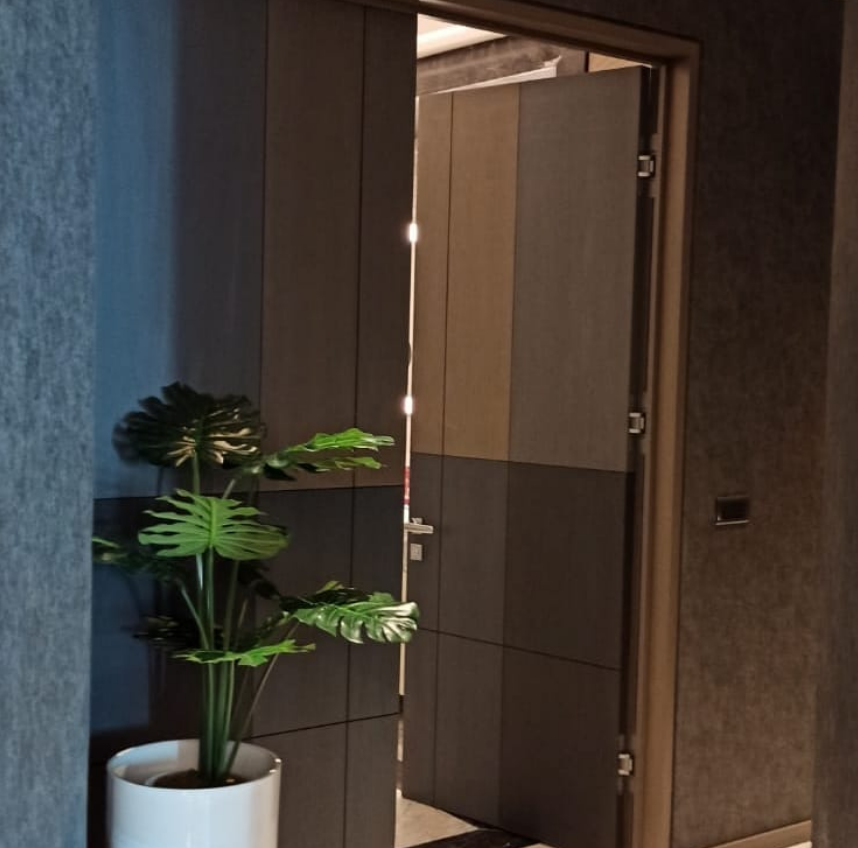
Butik Otel Mobilyaları
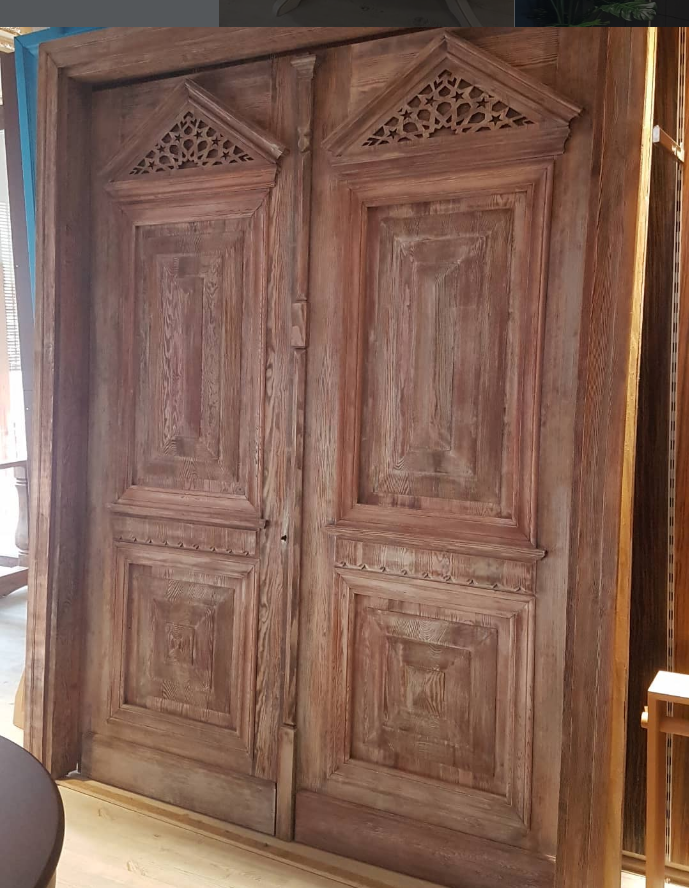
Butik Otel Mobilyaları
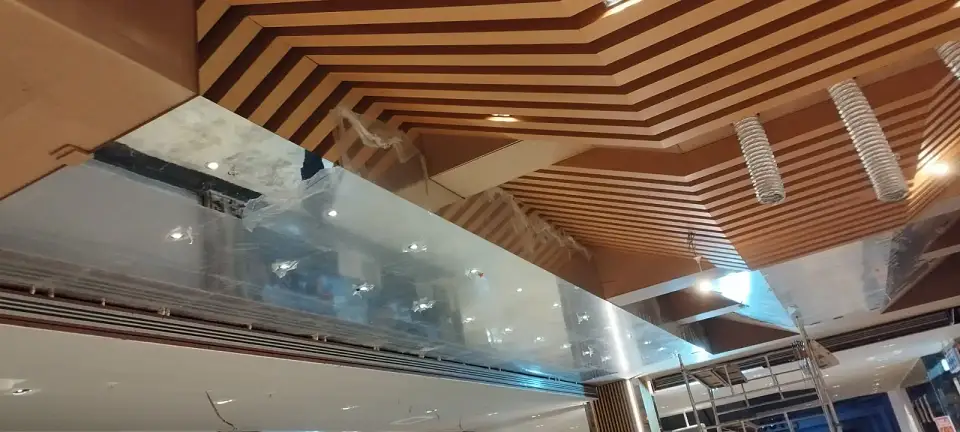





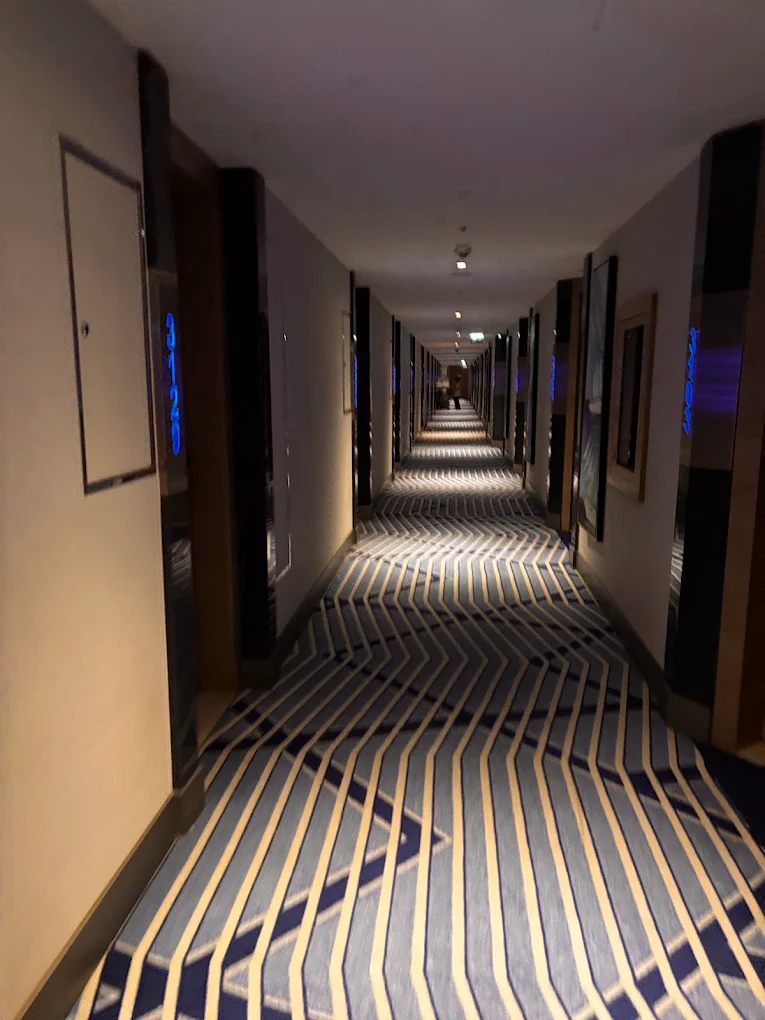
Butik Otel Mobilyaları
Etiket:Distressed Wood Hotel Furniture Turkey, Hotel Doors Turkey, Hotel Entrance and Hotel Lobby Furniture Turkey, Hotel Entrance Furniture Turkey, Hotel Furniture Decoration Turkey, Hotel Furniture Istanbul Turkey, Hotel Furniture Manufacturing Companies Turkey, Hotel Furniture Manufacturing Turkey, Hotel Furniture Turkey, Hotel Lobby Furniture Turkey, Hotel Room FurnitureTurkey, Hotel Wood Decoration Turkey, Luxury Hotel Furniture Turkey, Solid Wood Hotel Furniture Turkey, Wooden Hotel Furniture Turkey

Şunları da sevebilirsiniz
Lacquered Room Doors Production Turkey
Solid Wood Door Turkey