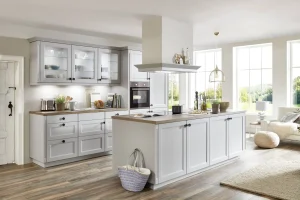

Hotel Furniture Decoration
Hotel Furniture Decoration: The Complete Technical Blueprint for Hospitality Architecture, Material Engineering, and Spatial Optimization
The discipline of commercial property design requires an integrated understanding of interior architecture, operational logistics, behavioral psychology, and materials science. Within the global hospitality development pipeline, Hotel Furniture Decoration functions as the primary tangible interface between the guest and the brand. It is an investment area that directly dictates guest satisfaction metrics, average daily rate (ADR) potential, and long-term asset value.
Far beyond an aesthetic layer, Hotel Furniture Decoration is a complex operational framework. Every chair, headboard, surface coating, and layout configuration must be engineered to withstand continuous commercial use cycles while maintaining its visual and structural integrity. This technical analysis provides an in-depth blueprint for hoteliers, procurement firms, interior architects, and project managers. It breaks down the mechanical standards, spatial mathematics, chemical treatments, and structural planning required to execute high-performing hospitality environments.
1. The Core Philosophy of Hospitality Interior Architecture
Commercial properties operate under a unique paradox: they must feel intensely personal and welcoming to the individual guest, yet they must function as highly efficient, standardized industrial environments for staff. Achieving this balance requires a systematic approach to spatial planning, ergonomics, and structural design.
Spatial Fluidity and Traffic Dynamics
The layout of any hospitality environment dictates how people move through it. In private guestrooms and public lobbies alike, incorrect clearances create operational friction, slow down housekeeping efficiency, and diminish the guest’s perception of luxury.
When planning layouts for Hotel Furniture Decoration, designers utilize specific spatial clearance metrics:
- Primary Circulation Arteries: Public lobby walkways and pathways leading to emergency exits require a minimum clearance of 1500mm to 1800mm to comfortably accommodate two guests passing each other with large luggage pieces.
- Secondary Guestroom Pathways: The clear path between the foot of the bed and a TV credenza or wall-mounted console must maintain a minimum clearance of 750mm. Reducing this space forces guests to walk sideways and increases the likelihood of luggage scraping against wood veneer surfaces.
- Perimeter Clearances: Nightstands must be positioned with a 20mm to 30mm clearance from the edge of the mattress frame. This structural gap prevents fabrics from snagging during linen changes and minimizes lateral abrasive wear on wood finishes.
Ergonomic Design Benchmarks
Hospitality furniture must comfortably accommodate a broad demographic profile, ranging from pediatric guests to elderly travelers. Adhering to strict ergonomic baselines prevents physical discomfort and reduces liability risks associated with accidental falls or strain.
- Dining and Work Surfaces: Desks and restaurant dining tables must maintain a finished height between 740mm and 760mm from the finished floor level (FFL). The clear knee space beneath the apron must measure at least 680mm vertically to comfortably accommodate standard commercial armchairs.
- Lounge Seating Seat Heights: Public lounge sofas and armchairs require a seat height of 420mm to 450mm, combined with a seat depth of 500mm to 550mm. Deeper or lower residential seating profiles make it difficult for elderly guests or corporate travelers working on laptops to stand up easily.
- Task Seating Back Support: Guestroom desk chairs must feature an ergonomic lumbar inclination angle between 95 and 105 degrees. This angle ensures proper spinal support for business travelers working extended hours inside their rooms.
2. Structural Engineering, Substrates, and Joinery Standards
The underlying structural framework of hospitality furniture determines whether an asset lasts for its projected 7-to-10-year lifecycle or fails within the first year of operation. Residential manufacturing methods are entirely inadequate for the physical realities of commercial properties.
[Solid Timber Core Frame] ---> [Reinforced Mortise-and-Tenon Joint] ---> [Double-Dowel Configuration]
                                                |
                                                v
                                 [Corner Block + Structural Screws]
Timber Selection and Kiln-Drying Mechanics
Solid wood remains the industry baseline for structural frames in heavy-duty Hotel Furniture Decoration. However, raw timber must undergo precise thermodynamic stabilization before processing.
- Species Classification: Premium commercial casegoods and upholstered frames utilize dense, tight-grained hardwoods such as European Beech (Fagus sylvatica), North American Ash (Fraxinus americana), or White Oak (Quercus alba). Softwoods like pine or fir are avoided due to their low density, poor screw-holding capacity, and high susceptibility to impact denting.
- Moisture Content Equilibrium: Raw timber must be kiln-dried until its internal moisture content reaches a stable equilibrium moisture content (EMC) of 6% to 8%. If the moisture content is higher than 8%, the timber will slowly release water vapor into climate-controlled, air-conditioned guestrooms. This leads to structural shrinkage, joint looseness, and surface lacquer cracking. If dried below 6%, the wood becomes brittle and prone to structural splitting along natural grain lines.
Engineered Substrates for Large-Span Panels
For expansive vertical and horizontal surfaces—such as headboards, wardrobe doors, and desktop panels—solid timber is highly susceptible to warping due to environmental humidity shifts. High-performance Hotel Furniture Decoration relies on advanced engineered wood substrates:
- Industrial-Grade Medium-Density Fiberboard (MDF): Utilizing a minimum density of 750 kg/m³, high-grade MDF provides a perfectly uniform, isotropic substrate with zero grain directionality. This structural uniformity ensures that applied wood veneers or laminates do not buckle or lift over time.
- High-Density Particleboard (HDP): For internal cabinetry structures, multi-layer HDP with a density exceeding 680 kg/m³ provides excellent screw-extraction resistance, making it an ideal choice for heavy-duty commercial hardware integration.
- Formaldehyde Emission Classification: All engineered substrates used in modern international hospitality design must carry a certified E1 or E0 compliance rating under European standard EN 13986, or comply with TSCA Title VI standards. This certification ensures that toxic formaldehyde off-gassing does not degrade indoor air quality (IAQ) within enclosed guestrooms.
Heavy-Duty Commercial Joinery Protocols
The mechanical points where furniture components meet are the areas most vulnerable to structural failure. Industrial Hotel Furniture Decoration specifications forbid the use of simple face-nailing, cosmetic staples, or weak butt joints.
- Mortise-and-Tenon Joinery: The gold standard for structural load-bearing frames. The tenon must extend at least two-thirds into the depth of the mortise piece, creating a large surface area for chemical cross-linking adhesives.
- Double-Dowel Enforcement: For right-angle joints in casegood construction, factories utilize fluted hardwood dowels inserted via computerized machinery. The flutes allow excess adhesive to escape evenly, preventing internal air pockets from weakening the bond.
- Corner Block Reinforcement: All primary load points on chairs, benches, and table frames must be reinforced with triangular solid hardwood corner blocks. These blocks are glued and secured using twin heavy-duty, thread-cutting structural wood screws. This design helps absorb and dissipate lateral impact forces when furniture is moved or bumped by guests.
3. Advanced Performance Finishes and Chemical Science
Surface longevity in Hotel Furniture Decoration depends directly on the chemical barrier coatings applied to exposed surfaces. These finishes must withstand heavy physical impacts, hot coffee spills, acidic fruit juices, and chemical cleaning agents.
Liquid Finish Coatings and Polymer Networks
Polymers applied to natural wood veneers must cure into a tough, impermeable matrix that highlights the wood’s natural grain while providing reliable mechanical protection.
| Finish Type | Chemical Composition | Mechanical Resistance Performance | Primary Sourcing Application |
|---|---|---|---|
| Polyurethane (PU) | Multi-component hydroxyl-acrylic cross-linked with aliphatic isocyanates | High scratch resistance; excellent resistance to water, ethanol, and mild acids | Luxury guestroom casegoods, main headboards, wall panels |
| Acrylic UV-Cured | Photopolymerizable acrylated oligomers cured via ultraviolet radiation lamps | Extremely high hardness; exceptional chemical resistance; zero VOC off-gassing | High-volume production runs of standardized hotel desks and nightstands |
| Water-Based Acrylic | Polyurethane-modified acrylic dispersion polymers | Eco-friendly; low odor during installation; moderate scratch resistance | Boutique properties targeting LEED or WELL certifications |
High-Pressure Laminate (HPL) Performance Metrics
For high-abuse horizontal surfaces—such as luggage benches, room-service tabletops, and entry console ledges—natural wood veneers are often replaced with heavy-duty HPL.
- Manufacturing Standards: Commercial HPL must comply with international standard EN 438 or NEMA LD3. It is manufactured by fusing multiple layers of kraft paper impregnated with phenolic resin under a high pressure of ≥5 MPa and temperatures exceeding 140°C.
- Thickness Specification: Horizontal surfaces require a minimum laminate thickness of 0.8mm to 1.2mm. Cheaper vertical-grade laminates (0.6mm) should be avoided on horizontal surfaces, as they lack the impact resistance needed to survive heavy luggage drops.
Engineered Stone and Quartz Integration
Bathroom vanities, wet bars, and breakfast buffet counters require non-porous surfaces that prevent moisture ingress and bacterial growth.
- Material Matrix: High-performance hospitality quartz consists of roughly 93% crushed natural quartz aggregate bound together by 7% high-grade unsaturated polyester resins and pigments.
- Zero-Absorption Performance: Unlike natural marble, which is highly porous and susceptible to permanent staining from spilled red wine or acidic cosmetics, engineered quartz features a water absorption rate of under 0.05%. This non-porous surface satisfies strict international food and beverage hygiene standards.
4. Textile Engineering, Flammability Compliance, and Upholstery
Upholstered items like armchairs, sofa beds, headboard panels, and wall coverings represent a significant portion of a property’s overall Hotel Furniture Decoration package. Selecting textiles for these pieces requires balancing look and feel with strict safety and durability metrics.
Mechanical Wear and Abrasion Performance
To ensure an upholstered asset survives years of continuous guest turnover, textiles must be tested using standard mechanical abrasion methods:
- The Martindale Method (EN ISO 12947): This test rubs the textile sample against a standard abrasive wool fabric in a shifting, multi-directional figure-eight pattern. For mid-traffic hotel guestrooms, fabrics must survive a minimum of 30,000 cycles. For high-traffic public spaces like lobbies, bars, and all-day dining venues, fabrics should be rated for at least 50,000 to 100,000 cycles.
- The Wyzenbeek Method (ASTM D4157): Commonly utilized in North American procurement, this test pulls a fabric sample taut and rubs it back and forth using a heavy cotton duck or wire screen abrasive. Heavy-duty commercial applications require a minimum rating of 50,000 double rubs.
- Pilling Resistance (EN ISO 12945-2): Fabrics must achieve a minimum pilling resistance rating of Grade 4 (indicating slight surface fuzzing but no structural ball formation) after 2,000 rubs to prevent seating surfaces from looking prematurely aged.
Global Fire Safety and Flammability Compliance
Fire protection is a non-negotiable legal requirement in hospitality engineering. Every fabric, foam core, and interliner used in Hotel Furniture Decoration must comply with local and international fire safety codes.
[Ignition Source: Match / Crib 5]
               |
               v
  [Outer Performance Fabric]  ---> Treated with halogen-free flame retardants
               |
               v
  [Fire Retardant Interliner] ---> Blocks heat transfer, prevents ignition
               |
               v
  [CMHR Polyurethane Foam]    ---> High density, self-extinguishing matrix
- British Standard BS 5852 (Crib 5): Widely regarded as one of the strictest flammability metrics globally. The test uses a wooden framework (“crib”) built from pine sticks and fueled by isopropyl alcohol. It is placed on the upholstery mockup and ignited. To pass, the flame must self-extinguish within 10 minutes, and any internal smoldering must cease within 60 minutes.
- California Technical Bulletin 117-2013 (CAL 117): A standard evaluation method that tests the smolder resistance of upholstered components when exposed to direct cigarette ignition.
- Combustion Modified High Resilience (CMHR) Foam: All internal upholstery cushioning must utilize CMHR polyurethane foam with a minimum density of 35 to 45 kg/m³. This specialized foam incorporates flame-retardant additives that char and self-extinguish when exposed to direct heat, preventing the rapid flashover fires common with residential-grade foams.
Advanced Barrier Coatings and Stain Treatments
Modern hospitality textiles incorporate performance finishes to protect the interior foam core from liquid spills and deep stains:
- Fluorochemical Technology: Treatments like Crypton, Nanotex, or Sunbrella operate at a molecular level, coating individual fibers rather than creating a solid film layer. This allows the fabric to remain breathable while repelling water, oil, and grease stains.
- Anti-Microbial Integration: Public lounge seating often integrates silver-ion or zinc-pyrithione anti-microbial treatments into the fiber matrix. This additive disrupts bacterial cell membranes, preventing mildew and odors from developing if a fabric gets damp.
5. Guestroom Optimization and Micro-Architecture
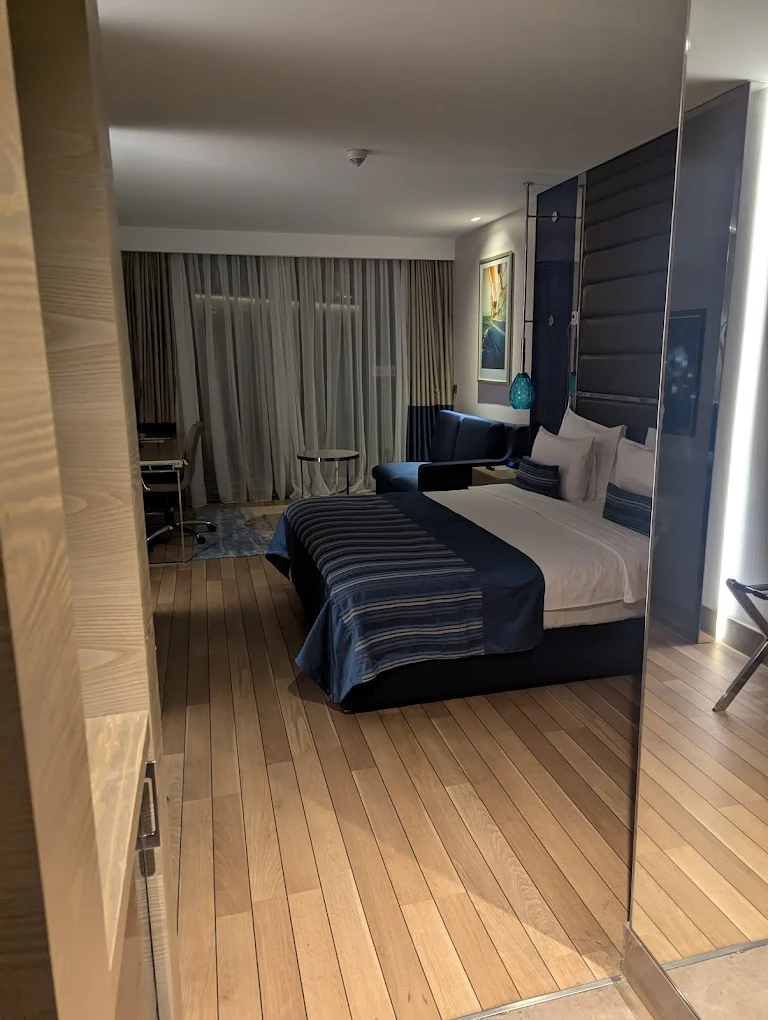
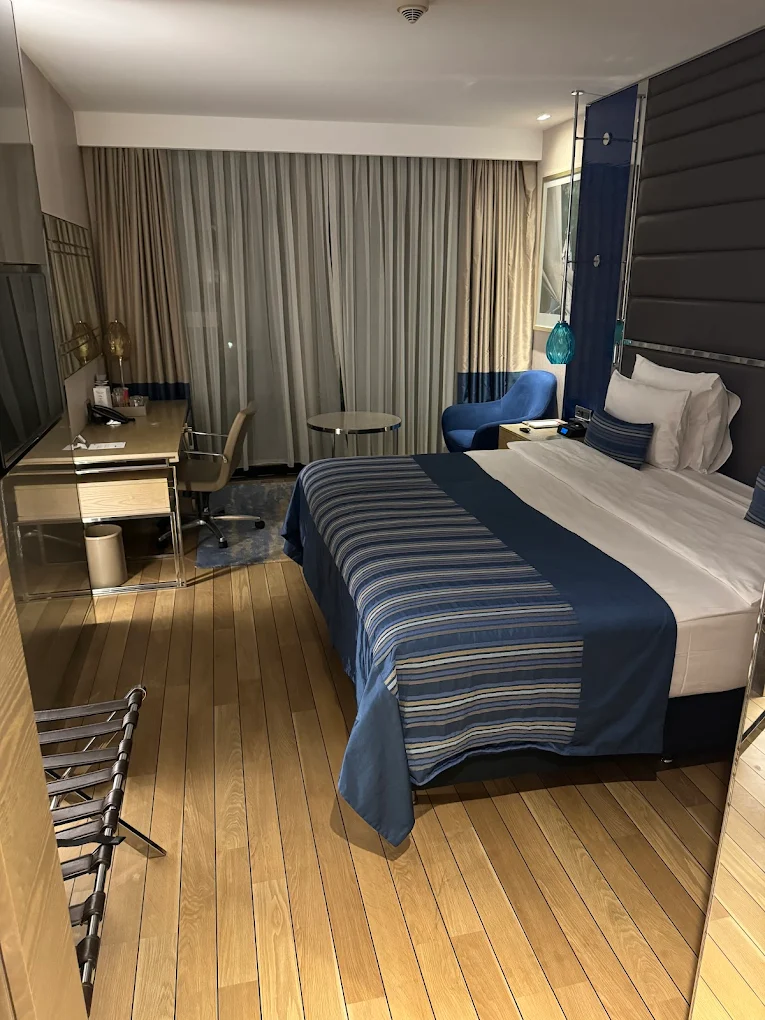
The hotel guestroom is an intimate space where guests work, sleep, relax, and store their personal items. Successful Hotel Furniture Decoration inside a guestroom requires careful spatial planning to maximize functional utility within limited square footage.
The Bed Matrix and Headboard Architecture
The bed is the core functional asset of any guestroom. Its design directly impacts both guest comfort and daily housekeeping productivity.
- Platform Base Engineering: Heavy-duty platform or box bases must include integrated, recessed kickplates around the bottom perimeter. This inset design—typically recessed 50mm horizontally and 100mm vertically—protects guests’ feet and allows housekeeping staff to stand closer to the bed, reducing spinal strain when lifting heavy mattresses.
- Headboard Mounting Protocols: Heavy architectural headboards must never hang solely from drywall anchors. They should be mounted directly into structural wall studs or dedicated solid blocking using heavy-gauge aluminum Z-clips or cleat tracks. These interlocking tracks distribute weight evenly and prevent acoustic vibrations from passing into neighboring guestrooms.
- Acoustic and Thermal Insulation: Padded fabric or split-panel leather headboards do more than look beautiful; they also function as sound-absorbing surfaces. Incorporating high-density fiberglass or acoustic foam behind the upholstery fabric helps reduce low-frequency noise transfer through shared guestroom walls.
Smart Multi-Functional Workstations and Technology Hubs
As travel behaviors evolve, the classic oversized executive desk is increasingly being replaced by agile, space-saving furniture configurations.
- The Media Ledge and C-Table System: Modern hotel rooms often feature a continuous wall-mounted media ledge beneath the television, paired with a mobile, cantilevered C-table. This design allows guests to work comfortably from the bed, a lounge chair, or a dedicated desk space, optimizing the room’s footprint.
- Integrated Power Architecture: Power and charging hubs must be built directly into nightstands and desks, running flush with the surface. These units require premium electrical internal wiring, offering dual USB-C Power Delivery (PD) ports (minimum 45W to charge laptops) alongside universal AC sockets. Power cables must run through hidden internal wire chases inside the furniture legs to keep cords completely out of sight.
[Flush Desktop Surface] ---> Integrated Media Hub (Universal AC + USB-C PD)
                                   |
                                   v
                        [Internal Wire Chase] ---> Hidden inside furniture leg
                                   |
                                   v
                        [Floor/Wall Outlet]   ---> Clean, cord-free layout
- Lighting Integration: Nightstands frequently feature low-voltage LED reading lights mounted directly to the headboard panel. These lights should use flexible goosenecks or directional swivels with a narrow, 15-degree beam angle. This design allows one guest to read comfortably without disturbing a sleeping companion.
Wardrobe and Luggage Bench Engineering
Wardrobes and luggage storage are high-traffic touchpoints that must be designed to withstand heavy physical impacts.
- Luggage Bench Edge Protection: Luggage benches take a beating from heavy, metal-rimmed suitcases. The front edges should feature extruded brass, stainless steel, or high-impact PVC bumper guards to prevent the wood substrate from chipping.
- Wardrobe Door Hinge Specification: Wardrobe doors open and close thousands of times a year. Standard residential hinges will sag, causing doors to misalign. Commercial specifications require heavy-duty, 110-degree institutional clip hinges with integrated soft-close dampers, rated for a minimum of 100,000 cycles.
- Interior Illumination: Wardrobes should include integrated LED light strips that turn on automatically via a micro-switch or motion sensor when the doors open. These light strips should operate at a warm color temperature of 2700K to 3000K, with a high Color Rendering Index (CRI ≥90) so guests can accurately distinguish clothing colors.
6. Public Area Fluidity: Lobbies, Lounges, and F&B Spaces
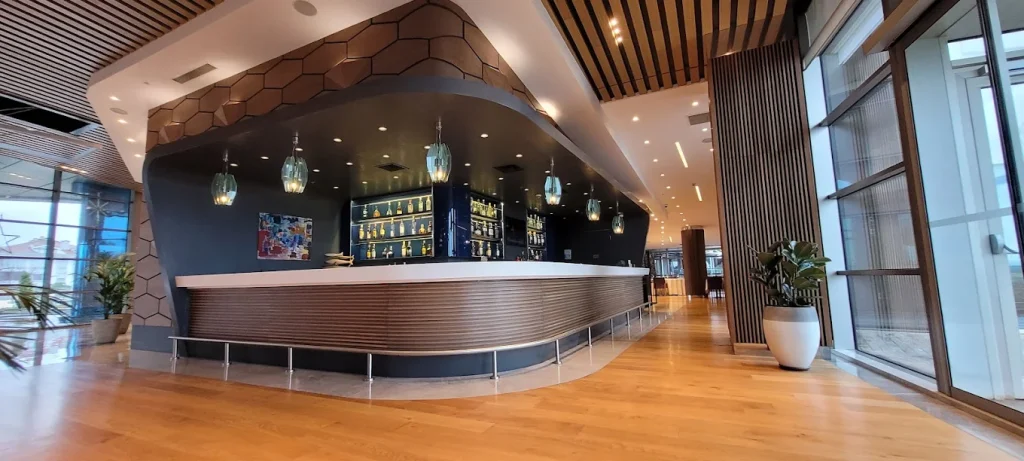
Public spaces inside a hotel are multi-functional hubs that transition from morning breakfast service to daytime co-working zones and evening cocktail lounges. The Hotel Furniture Decoration in these spaces must be adaptable and exceptionally durable.
The Modular Co-Working Lobby
Modern hotel lobbies function as bustling communal spaces where business travelers expect high-speed connectivity and functional workspaces.
- Communal Power Tables: Large anchor tables in the lobby require built-in, commercial-grade power tracks. The table legs must feature internal structural steel channels to handle heavy wire loads without compromising stability.
- Acoustic Zoning and Privacy Pods: High-backed acoustic armchairs wrapped in sound-dampening felt or dense wool fabrics help create quiet micro-environments within a busy open-plan lobby. These pieces allow guests to take private video calls without needing a separate meeting room.
- Modular Sectional Connectivity: Lobby sofas should use modular configurations secured together by heavy-duty steel interlocking drop-in connectors. This design allows on-site teams to quickly reconfigure the seating layout for private corporate events or seasonal community gatherings.
Food and Beverage (F&B) Durability Science
Hotel restaurants and bars experience high guest turnover, requiring seating and table selections that prioritize ease of maintenance.
- Table Pedestal Mechanics: To maximize guest legroom and allow flexible seating arrangements, F&B layouts rely on central pedestal table bases rather than traditional four-legged designs. These bases must be cast iron or heavy-gauge steel, with adjustable leveling glides to prevent tables from wobbling on uneven tile or terrazzo floors.
- Barstool Footrest Protection: Barstools are prone to rapid wear along the lower structural rings where guests rest their shoes. These footrests must be protected by a thick stainless steel or brass sleeve to prevent scuffing, paint chipping, or wood wear.
- Seat Cushion Drainage Profiles: For outdoor restaurant seating or poolside dining areas, upholstered chair cushions must use reticulated open-cell polyurethane foam. This specialized foam allows water to drain straight through the cushion rather than absorbing it like a sponge, ensuring seats dry rapidly after a rain shower.
7. Sourcing Logistics, Mock-Up Protocols, and Asset Management
Successfully executing a hospitality development project requires moving from design concepts to global manufacturing and installation without running into costly project delays.
The Critical Role of the Mock-Up Room (First-Article Review)
Before approving a massive manufacturing order for a 200-room hotel project, developers must execute a strict mock-up room protocol.
[Architectural Drawings] ---> [Prototyping at Factory] ---> [1:1 On-Site Mock-Up Installation]
                                                                        |
                                                                        v
[Final Production Approval] <-- [Re-Engineering + Value Engineering] <-- [Physical Testing by Staff]
- On-Site Installation: The manufacturing partner builds one complete set of custom guestroom furniture and ships it directly to the construction site, where it is installed in a designated prototype room with final wall finishes, lighting, and flooring.
- Operational Stress Testing: Housekeeping and maintenance teams spend several days testing the prototype room. They check how easy it is to make the bed, look for dust-catching traps beneath the nightstands, and verify that the desk chair slides smoothly under the workspace apron.
- Hardware and Power Validation: Technical teams verify that all built-in media hubs align correctly with wall outlets and ensure that data cables pass through internal wire chases without pinching.
- Architectural Sign-Off: The interior designer and hotel owner inspect every seam, finish, and joint alignment. Any necessary adjustments are documented, and the shop drawings are updated before launching full-scale factory production.
Value Engineering (VE) without Quality Sacrifices
Value engineering is the process of optimizing manufacturing costs without sacrificing the visual design intent or structural integrity of the final product.
- Smart Material Substitution: Instead of using expensive solid wood for internal wardrobe shelves, designers can switch to a cost-effective, high-density particleboard wrapped in matching wood-grain melamine finish. This keeps the exterior looking premium while reducing overall material costs.
- Veneer Shifting: Solid wood can be reserved for high-impact edge bands, while large vertical surfaces like wardrobe sides can use matching book-matched wood veneers over an MDF core. This technique reduces raw material costs while maintaining excellent structural stability.
- Hardware Standardization: Custom specialized drawer slides can be replaced with standardized, high-volume commercial hardware from trusted global brands like Blum or Hettich. This ensures long-term reliability and makes it easy for maintenance teams to source replacement parts in the future.
Global Supply Chain Logistics and Shipping Protocols
Shipping delicate hospitality furniture across international borders requires specialized protective packaging methods to prevent transit damage.
- Five-Layer Corrugated Boxing: All finished casegoods must be packed in heavy-duty, double-wall corrugated cardboard boxes rated for overseas shipping.
- High-Density PE Foam Edge Guards: Corners and vulnerable edges must be wrapped in thick polyethylene (PE) foam profiles to absorb impacts from forklifts and shifting shipping containers.
- Desiccant Moisture Control: When shipping furniture via ocean freight through changing climate zones, containers can experience internal condensation, often called “container rain.” Factories place large clay or silica-gel desiccant bags inside the packaging to keep humidity levels down, protecting wood components from warping or developing mold during transit.
8. Sustainability, Circular Economy, and Future-Proofing
Modern hospitality real estate development increasingly requires compliance with international environmental certifications like LEED (Leadership in Energy and Environmental Design), BREEAM, and the WELL Building Standard. Achieving these goals requires a sustainable approach to sourcing and manufacturing Hotel Furniture Decoration assets.
Sustainable Material Sourcing
- Certified Timber Chain of Custody: All wood products used in commercial property design should carry certification from the Forest Stewardship Council (FSC) or the Programme for the Endorsement of Forest Certification (PEFC). This documentation proves that the timber was harvested from responsibly managed forests that preserve biodiversity and support local communities.
- Recycled Metal and Plastic Matrix: Modern outdoor furniture designs increasingly utilize infinitely recyclable architectural aluminum or high-density polyethylene (HDPE) resins derived from ocean-bound post-consumer ocean plastics.
Indoor Air Quality (IAQ) and Low-VOC Formulations
Guests spend hours sleeping in enclosed hotel rooms, making indoor air quality a critical factor for human health and comfort.
- Volatile Organic Compounds (VOCs): Traditional solvent-based lacquers release harmful chemicals into the air long after installation. Hospitality specifications require suppliers to use low-VOC or zero-VOC water-based acrylic finishes.
- Adhesive Formulations: Polyurethane-assembly glues must be completely free of added urea-formaldehyde to meet strict indoor environmental quality standards under global green building frameworks.
Designing for the Circular Economy
To reduce landfill waste and maximize long-term asset value, forward-thinking furniture manufacturers are designing products that can be easily repaired and remanufactured.
- Removable Upholstery Sleeves: Modern lounge seating often uses clever hook-and-loop fastening systems or hidden zippers that allow properties to swap out worn upholstery fabric on-site without needing to replace the entire chair frame.
- Modular Component Construction: Designing casegoods with easily detachable components means a damaged desk leg or worn nightstand top can be unbolted and replaced individually, avoiding the cost and waste of throwing away the entire unit.
9. Detailed Sourcing Checklist for Hospitality Procurement Teams
To ensure every piece of furniture meets strict commercial standards, procurement teams use this comprehensive technical checklist during the sourcing process:
Casegoods Sourcing Metrics
- Verify that structural wood frames use hardwoods dried to a strict 6% to 8% moisture content.
- Confirm that all engineered substrates carry a certified E1 or E0 low-emission formaldehyde rating.
- Check that horizontal surfaces use high-pressure laminate (HPL) with a minimum thickness of 0.8mm, or engineered stone.
- Ensure all right-angle structural joints use double-dowel or mortise-and-tenon construction reinforced with corner blocks.
- Confirm that drawer slides and cabinet hinges are commercial-grade and carry a certified 100,000-cycle warranty.
Upholstery and Textile Sourcing Metrics
- Ensure guestroom fabrics are rated for at least 30,000 Martindale cycles, and public space fabrics are rated for 50,000+ cycles.
- Verify that all textiles and internal foams comply with local fire safety codes, such as BS 5852 Crib 5 or CAL 117-2013.
- Confirm that internal seat cushions use heavy-duty CMHR polyurethane foam with a minimum density of 35 to 45 kg/m³.
- Check that fabrics include molecular stain-resistant treatments and anti-microbial barrier coatings.
- Ensure outdoor seating cushions use open-cell reticulated foam to allow rapid water drainage.
Conclusion: Maximizing Return on Asset for Hospitality Investments
The execution of high-performing Hotel Furniture Decoration packages is a balancing act that combines design vision, materials science, and operational logistics. By focusing on durable structural substrates, heavy-duty joinery, high-performance finishes, and strict compliance with global safety standards, hotel owners can protect their investments and significantly lower their long-term property maintenance costs.
In a competitive global travel market, high-quality furniture design does more than create an inviting environment—it helps hotels drive higher guest satisfaction, optimize daily operational efficiency, and build long-term brand equity that delivers strong financial returns for years to come.
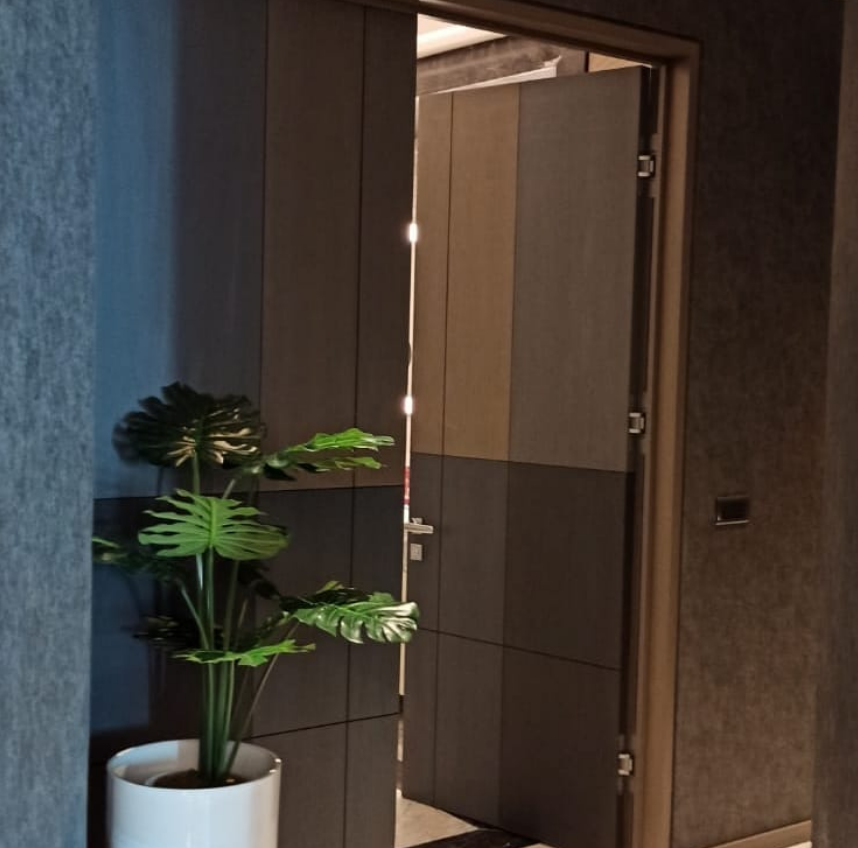
Butik Otel Mobilyaları
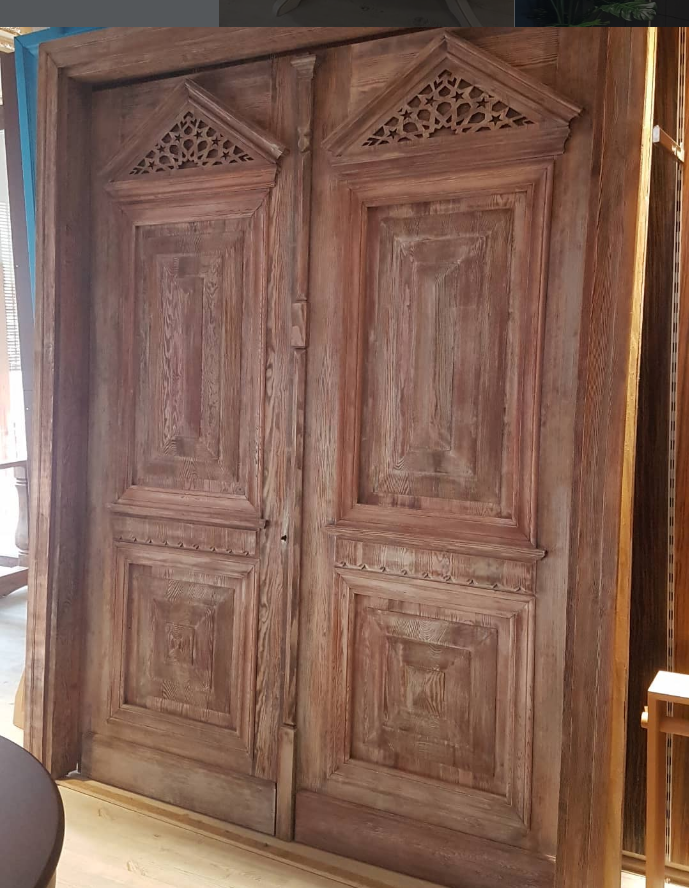
Butik Otel Mobilyaları
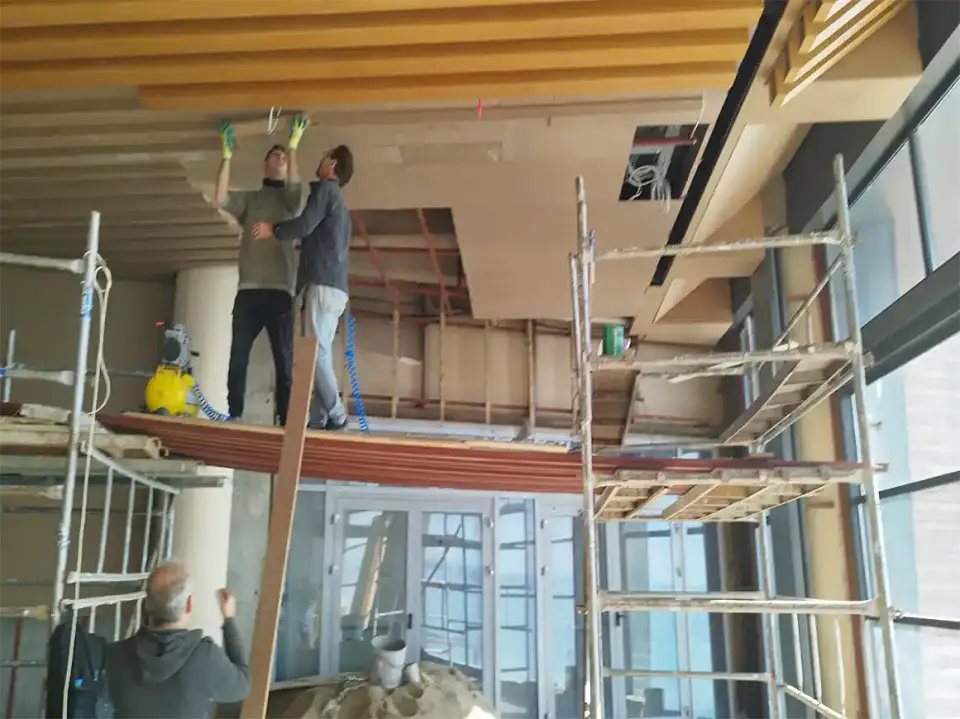
Tarihi Binaların Ahşap Dekorasyonları
Tarihi Ahşap restorasyonlari Kapılar
Tarihi binaların mobilya dekorasyonları




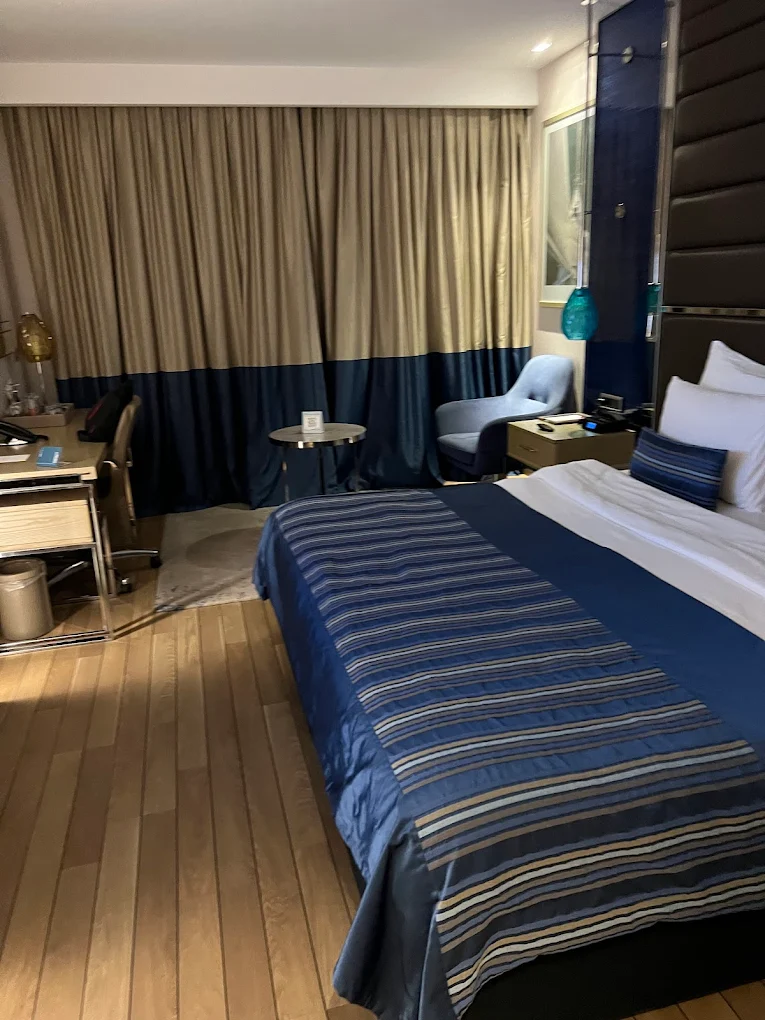


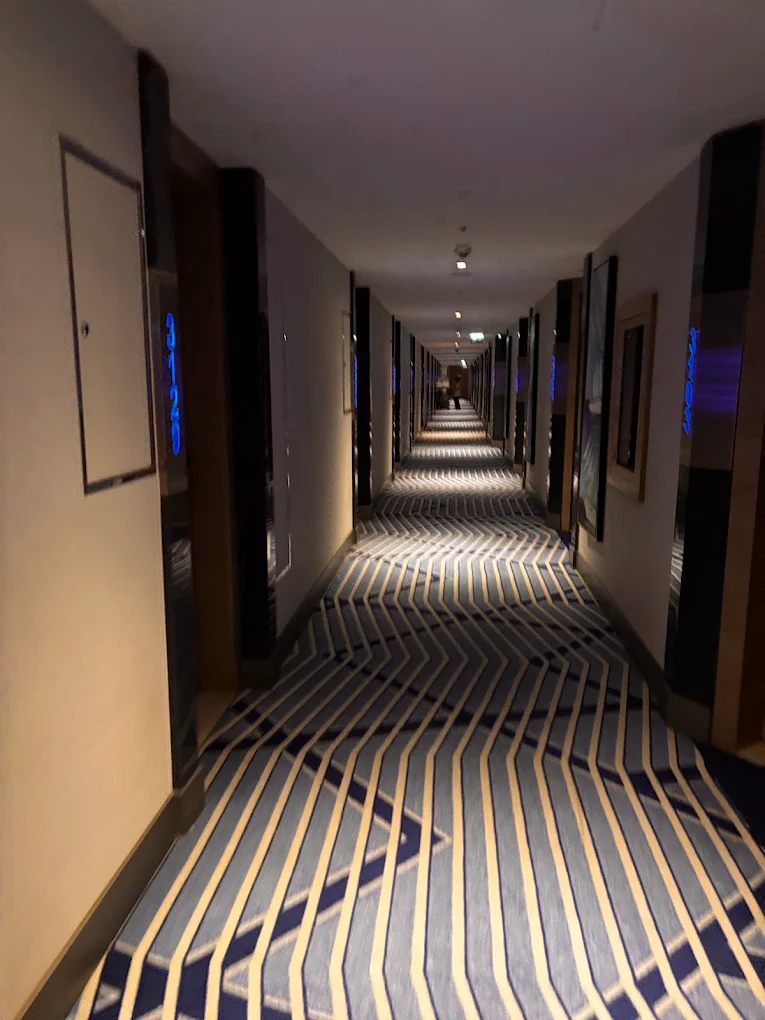
Butik Otel Mobilyaları

Şunları da sevebilirsiniz
Lacquered Room Doors Production Turkey
Solid Wood Door Turkey