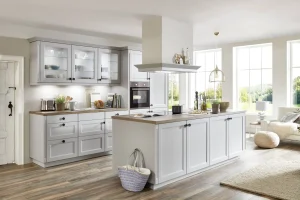

Hotel Furniture
Hotel Furniture: The Ultimate Guide to Hospitality FF&E Procurement, Durability Standards, and Guest Experience Optimization
Hotel furniture is not merely an aesthetic choice; it is a critical driver of guest satisfaction, operational efficiency, and long-term asset valuation. In the commercial hospitality ecosystem, Furniture, Fixtures, and Equipment (FF&E) represent a massive capital expenditure (CapEx) that directly influences online review scores, brand loyalty, and daily maintenance workflows.
Whether designing a luxury boutique property or a high-traffic select-service hotel, selecting the right hotel furniture requires a deep understanding of commercial manufacturing standards, material science, and ergonomic engineering. This comprehensive technical guide breaks down the essential parameters of hospitality furniture procurement to ensure maximum return on investment (ROI) and elevated guest experiences.
1. Commercial-Grade Standards vs. Residential Furniture
The fundamental error in hospitality procurement is utilizing residential-grade pieces in a commercial environment. Hotel furniture must withstand continuous, high-impact utilization that would cause domestic items to fail within months.
Structural Integrity and Joinery
Commercial hotel furniture relies on advanced joinery techniques to resist structural fatigue:
- Mortise and Tenon Joinery: The gold standard for casegoods, frequently reinforced with corner blocks and heavy-duty wood screws.
- Double-Doweled Frames: Essential for upholstered seating, preventing the frame from warping under shifting weight distribution.
- Metal-to-Metal Connections: Threaded inserts and machine bolts are used instead of wood screws for components that require occasional disassembly or tightening.
Weight Capacity and Testing Protocols
Before specification, contract-grade hotel furniture must pass rigorous independent laboratory testing, such as BIFMA (Business and Institutional Furniture Manufacturers Association) standards. Commercial lounge seating and bed bases must comfortably support static loads exceeding 500 lbs (226 kg) and survive severe drop tests to guarantee guest safety and eliminate liability risks.
2. Material Science in Hospitality Casegoods and Seating
The longevity of hotel furniture is dictated by its base materials and protective surface finishes. Specifiers must balance visual warmth with industrial resilience.
Solid Wood vs. Engineered Substrates
While solid wood is prized for luxury accents, it is susceptible to volumetric changes due to ambient humidity fluctuations. High-end hotel furniture strategically utilizes:
- MDF (Medium-Density Fiberboard) and Baltic Birch Plywood: Used as core substrates because they resist warping, cracking, and splitting under variable HVAC conditions.
- High-Pressure Laminates (HPL): Applied to high-touch horizontal surfaces like desk tops and nightstands. HPL provides exceptional resistance to impact, scratches, and chemical burns from housekeeping cleaning agents.
- Wood Veneers: Thicker sliced veneers (0.6mm or greater) finished with a catalyzed polyurethane topcoat offer the authentic aesthetic of natural timber while protecting the core from moisture ring marks left by guest beverages.
Performance Textiles and Foam Engineering
Upholstered hotel furniture requires meticulous material cross-examination:
- Double Rub Count (Wyzenbeek Method): Fabric specified for hotel lobbies must clear a minimum of 100,000 double rubs, while guestroom upholstery requires at least 30,000 double rubs.
- Stain and Moisture Barriers: Fabrics integrated with nanotech moisture barriers (such as Crypton or revolution performance yarns) prevent liquids from penetrating into the internal foam cushioning, stopping mold growth and lingering odors.
- High-Resiliency (HR) Foam: Cushioning must feature HR foam with a density minimum of 1.8 to 2.5 lbs/cu.ft. to prevent permanent sagging and visual indentation over years of turning occupancy.
3. Strict Compliance, Safety, and Fire Regulations
Hospitality operators face strict regional safety mandates. Non-compliance can result in severe legal penalties, failed building inspections, and denied insurance claims.
Flame Retardancy Standards
All upholstered hotel furniture must comply with stringent flammability codes:
- CAL 133 (California Technical Bulletin 133): A full-scale fire test for furniture items destined for public occupancy spaces. It requires the deployment of fire-blocking barriers beneath the upholstery fabric.
- BS 5852 (British Standard Crib 5): The standard regulatory benchmark across the UK and many international luxury jurisdictions, assessing the ignition resistance of seating composites.
Sustainability and Environmental Certifications
Modern guests and corporate booking agents actively evaluate a property’s ecological footprint. Specifying hotel furniture with Greenguard Gold certification ensures ultra-low volatile organic compound (VOC) emissions, protecting indoor air quality. Furthermore, sourcing timber certified by the FSC (Forest Stewardship Council) verifies responsible forestry management practices.
4. Guestroom Optimization: Ergonomics and Housekeeping Efficiency
Guestroom hotel furniture must serve a dual purpose: maximizing comfort for the guest and minimizing cleaning cycle times for environmental services (EVS) staff.
Anthropometrics and Intuitively Placed Technology
- Integrated Power and Connectivity: Nightstands and desks must feature flush-mounted smart panels with USB-C ports, wireless charging pads, and international power outlets. Guests should never have to pull furniture away from walls to charge devices.
- Ergonomic Clearance: Desk heights must conform to standard international heights (typically 30 inches / 76 cm) paired with adjustable, supportive task chairs that accommodate diverse body types.
Designing for Operational Velocity
Housekeeping labor represents one of a hotel’s highest ongoing operational costs. Smart hotel furniture design mitigates this:
- Wall-Mounted/Floating Casegoods: Floating vanities, nightstands, and headboards clear floor space entirely. This allows housekeepers to vacuum or mop rapidly without moving heavy items or bumping furniture legs with heavy equipment.
- Closed Bases: Platform beds with recessed solid plinth bases eliminate dust bunnies and prevent guests from dropping trash or personal items beneath the bed, speeding up room turnover protocols.
5. Public Spaces: Lobby, F&B, and Outdoor Amenity Furniture
The furniture deployed in public zones dictates the first impression of the property and acts as a passive revenue generator by encouraging guests to linger and consume food and beverages.
The Multi-Functional Lobby Ecosystem
Modern lobbies transition seamlessly from morning breakfast hubs to evening co-working spaces and cocktail lounges.
- Modular Seating Assemblies: Utilizing heavy-duty sectional configurations allows properties to reconfigure spaces for private corporate groups or open-concept social gatherings.
- Communal Power Tables: High-top tables equipped with hidden wire-management tracks allow business travelers to work effectively outside their guestrooms.
Outdoor Hospitality Furniture Endurance
Rooftop bars, pool decks, and patio dining spaces require specialized exterior-grade hotel furniture:
- Marine-Grade Materials: Frames constructed from powder-coated, thick-gauge aluminum, premium grade-A teak, or 316 marine-grade stainless steel resist oxidation from saltwater air and chlorine exposure.
- Reticulated Open-Cell Foam: Outdoor cushions must utilize fast-drying open-cell foams that allow rain to drain instantly through the cushion base, eliminating stagnant water accumulation.
6. The FF&E Procurement Pipeline and Lifecycle Management
Sourcing hotel furniture demands a highly structured logistical framework to prevent costly property opening delays.
Working with Specialized Hospitality Manufacturers
Procuring through verified hospitality contract manufacturers ensures that shop drawings, material submittals, and master prototypes are thoroughly vetted before mass factory production. A physical model room (mock-up room) should always be constructed and tested on-site to verify scale, color rendering under local lighting, and structural performance before releasing the full production deposit.
Asset Lifecycle and Refurbishment Strategy
The standard lifecycle for high-use select-service hotel furniture is 5 to 7 years, while luxury assets may stretch the cycle to 10 to 12 years with a mid-cycle soft-goods refresh. Implementing a preventative maintenance program—including quarterly joinery inspection, screw tightening, and professional fabric extraction cleaning—extends the operational lifespan of the asset, directly boosting the property’s bottom line.
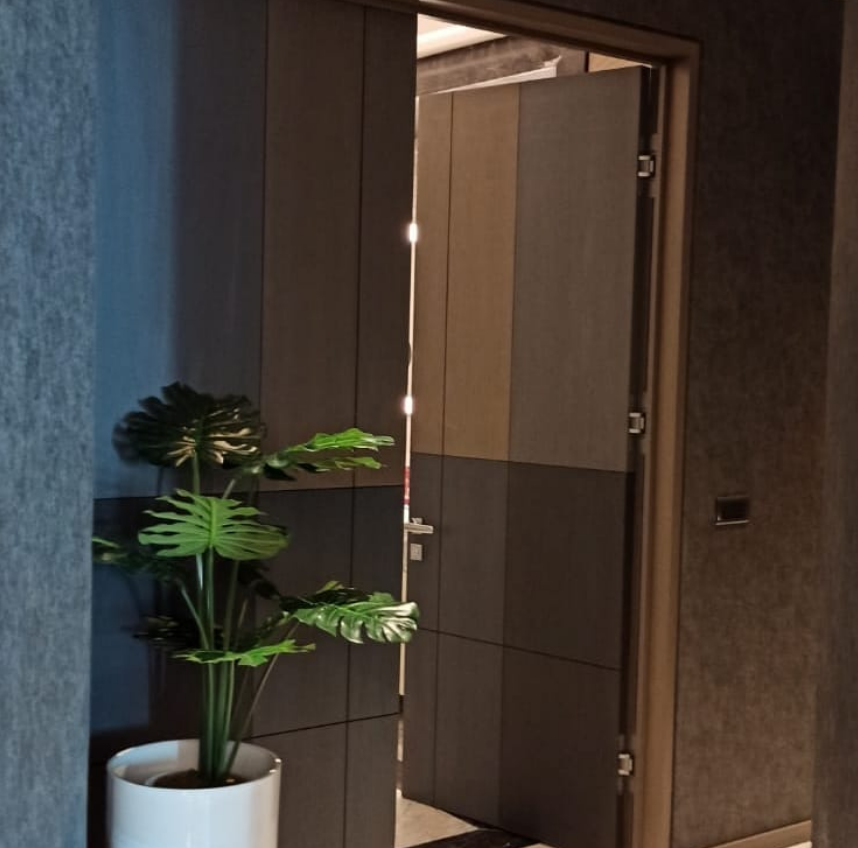
Butik Otel Mobilyaları
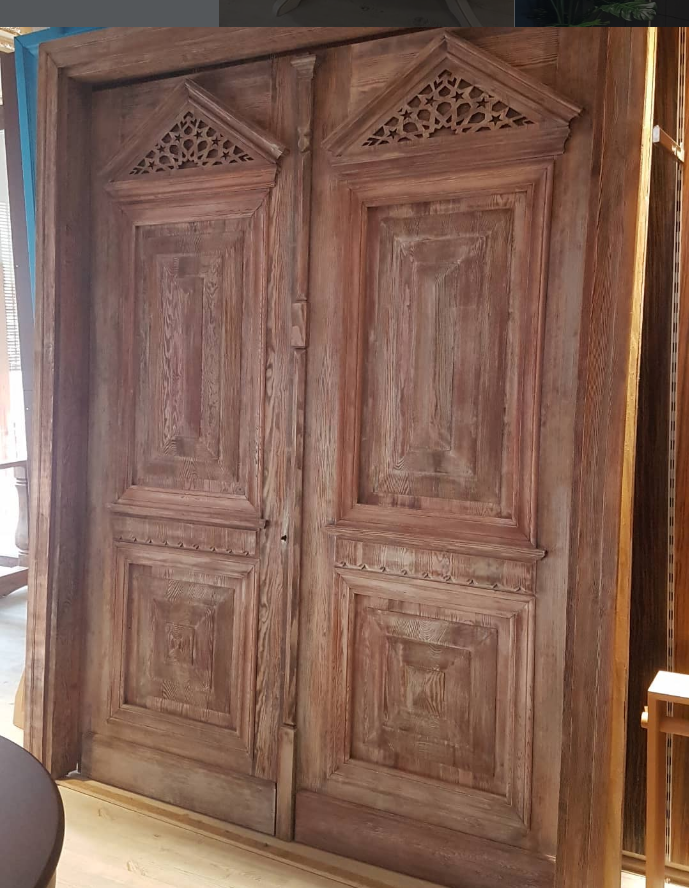
Butik Otel Mobilyaları
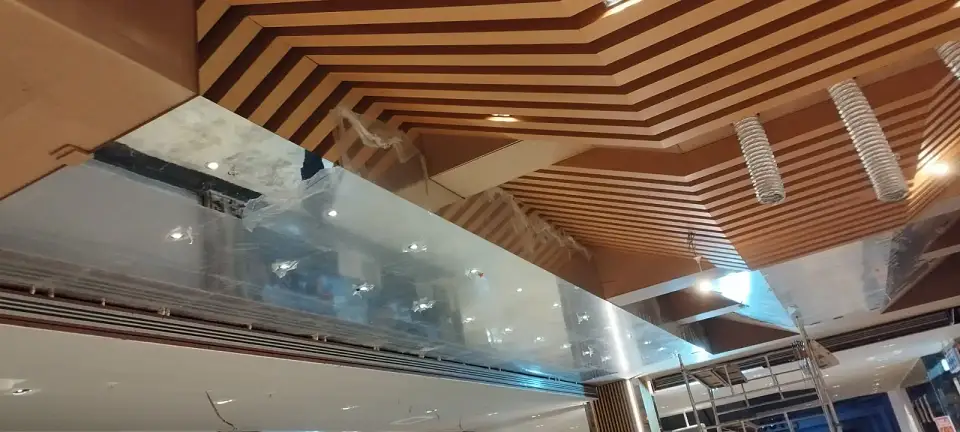
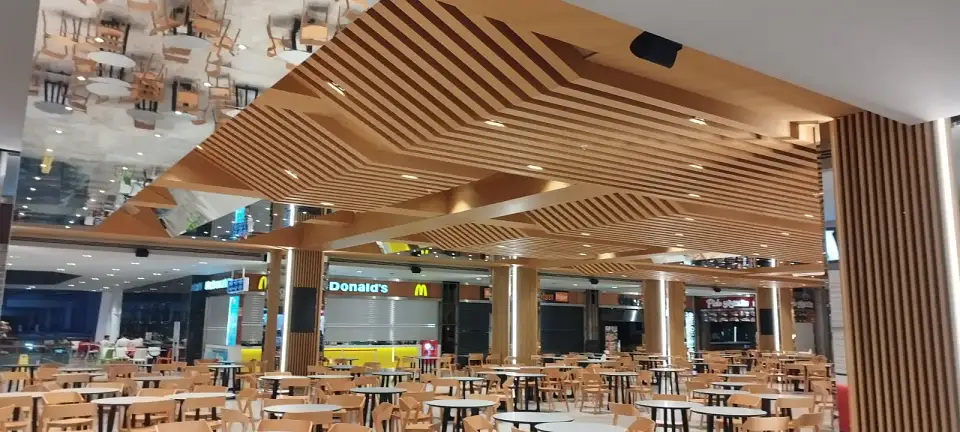
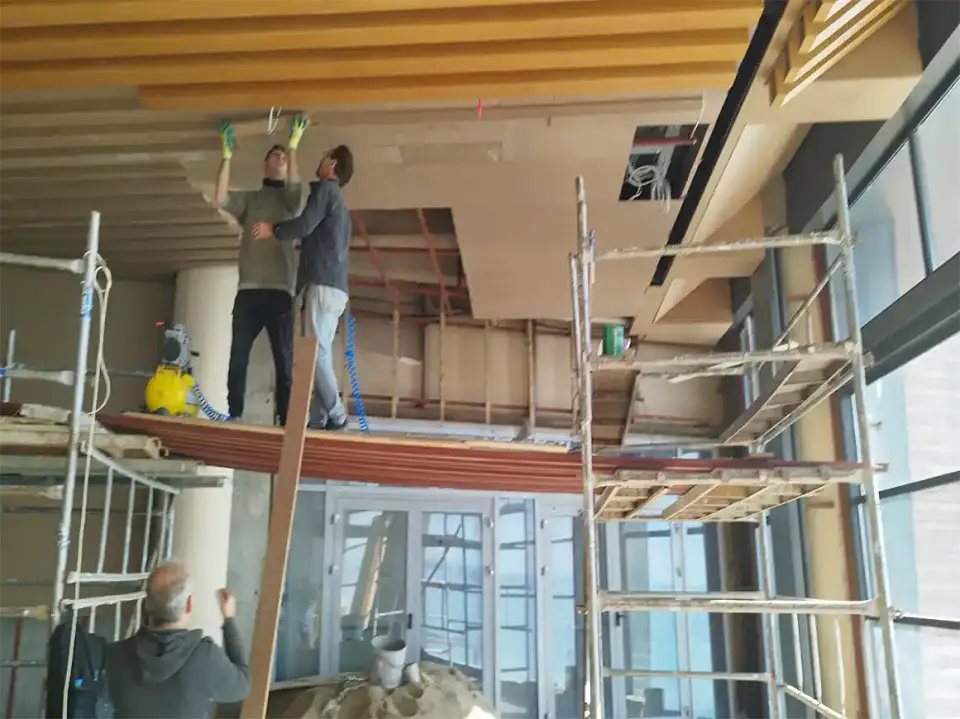
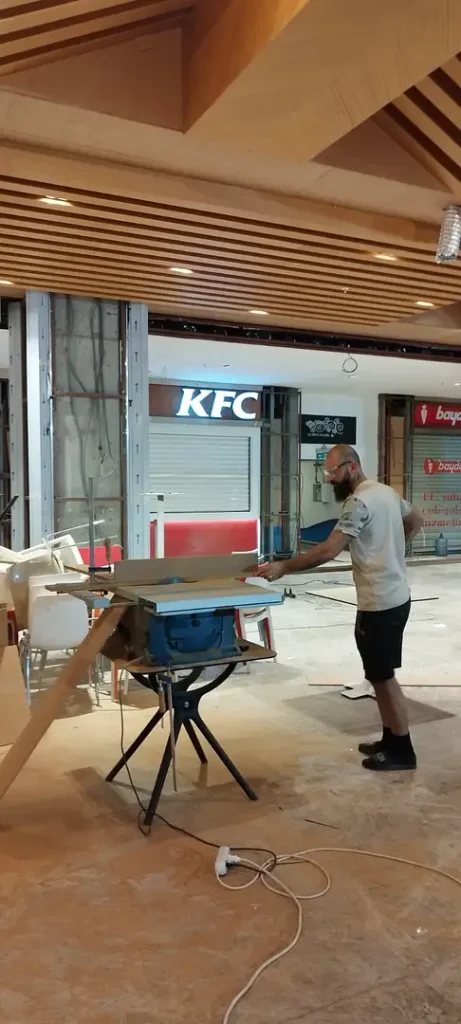


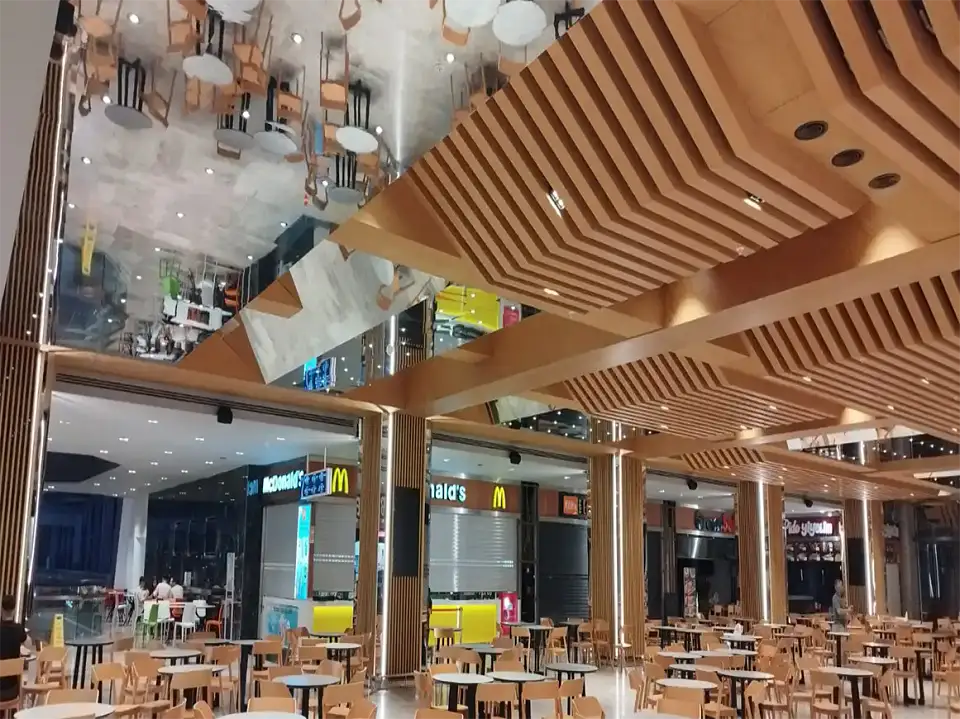
Tarihi Binaların Ahşap Dekorasyonları
Tarihi Ahşap restorasyonlari Kapılar
Tarihi binaların mobilya dekorasyonları
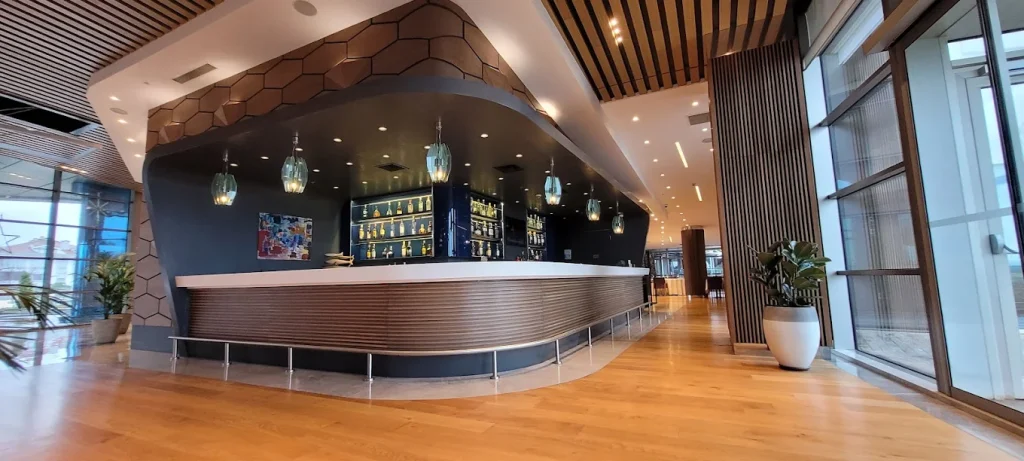

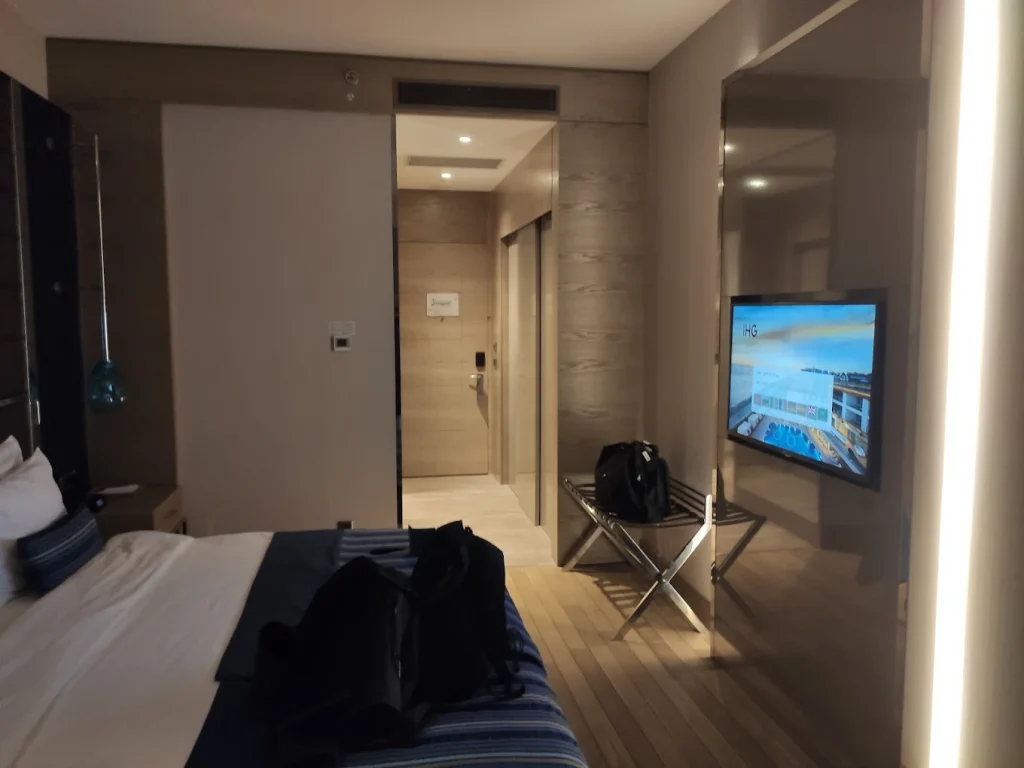

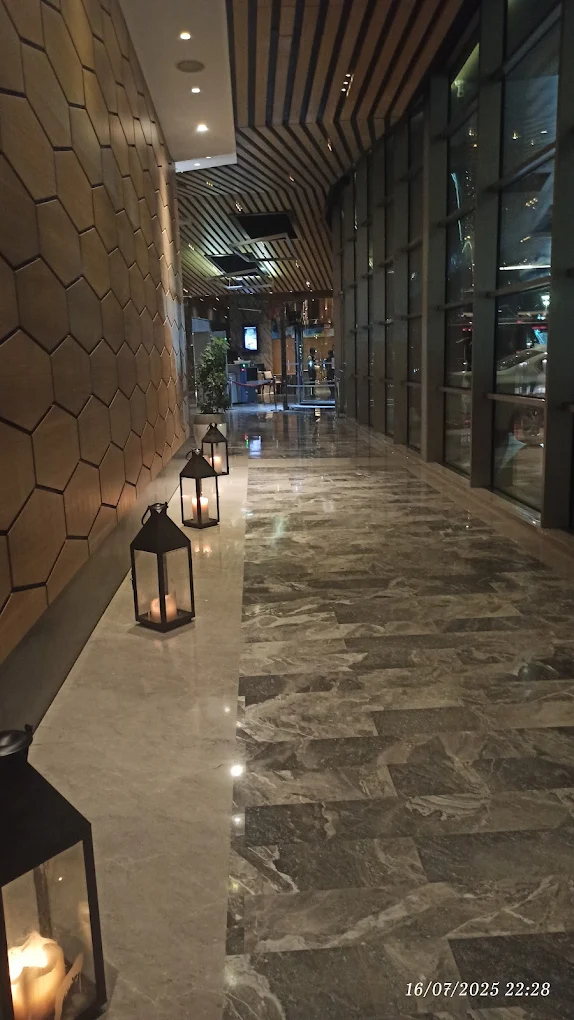

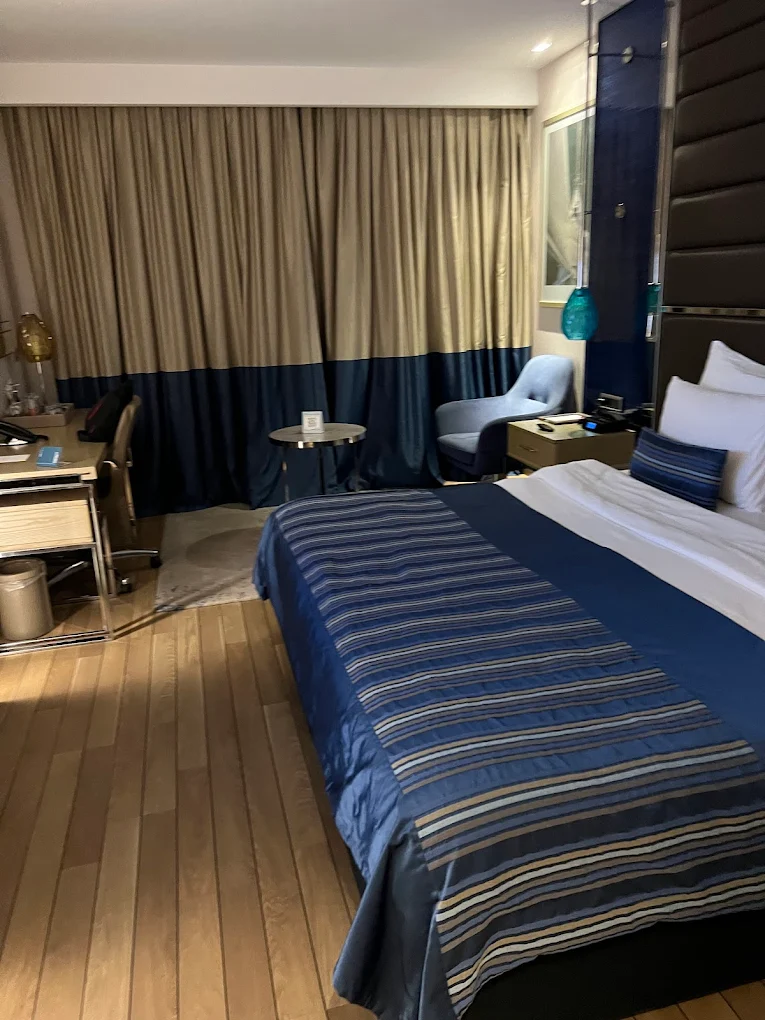

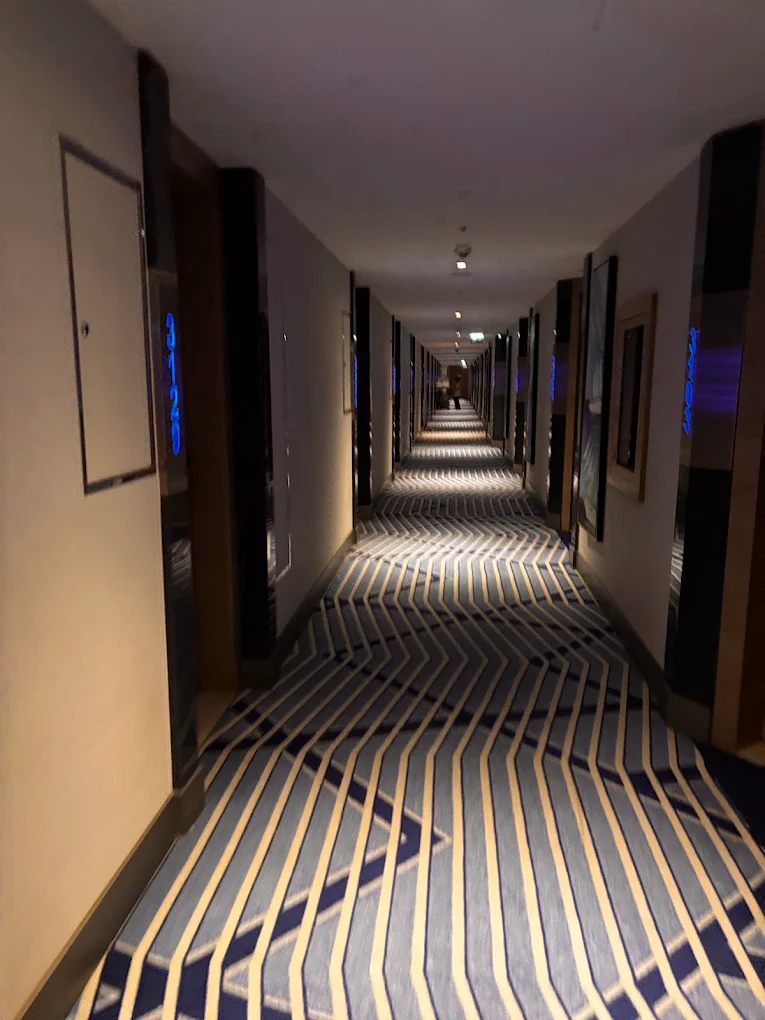
Butik Otel Mobilyaları
Etiket:Distressed Wood Hotel Furniture, Hotel Doors, Hotel Entrance Furniture, Hotel Furniture Alanya, Hotel Furniture Ankara, Hotel Furniture Antalya, Hotel Furniture Bursa, Hotel Furniture Decoration, Hotel Furniture Istanbul, Hotel Furniture Izmir, Hotel Furniture Konya, Hotel Furniture Manufacturing, Hotel Furniture Turkey, Hotel Lobby Furniture, Hotel Room Furniture, Hotel Wood Decoration, Luxury Hotel Furniture, Solid Wood Hotel Furniture, Wooden Hotel Furniture

Şunları da sevebilirsiniz
Lacquered Room Doors Production Turkey
Solid Wood Door Turkey