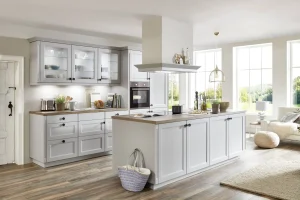

Luxury Hotel Furniture Turkey
Luxury Hotel Furniture Turkey: The Definitive B2B Engineering and Procurement Masterclass
The global ultra-luxury hospitality sector demands flawless execution across every architectural and interior layer. In five-star properties, heritage hotels, and high-end boutique resorts, furniture is not merely a functional asset; it is a primary driver of brand equity, sensory engagement, and guest retention. Every joint, veneer selection, metal finish, and upholstered surface must reflect perfection while enduring the continuous, intense physical demands of commercial operations.
To meet these exacting criteria, international developers, procurement directors, and premium design firms are increasingly routing their projects through the high-end industrial networks of Luxury Hotel Furniture Turkey. Turkey has fundamentally repositioned its high-end furniture sector. It has evolved from a network of traditional regional carpentry workshops into a technically advanced, vertically integrated engineering destination.
This masterclass article delivers a technically rigorous blueprint for sourcing, engineering, and auditing high-end hospitality furniture from Turkey’s elite manufacturing clusters.
1. The Ultra-Luxury Contract Standard vs. Residential High-End Furniture
A common mistake in high-end hospitality procurement is assuming that luxury residential furniture brands can be integrated directly into a five-star hotel room or public space. Residential luxury relies on careful use by a private family. Ultra-luxury contract furniture, however, must deliver an identical visual and tactile experience while surviving continuous, high-volume wear. Sourcing Luxury Hotel Furniture Turkey connects procurement teams with factories that engineer custom products from the ground up for these extreme commercial realities.
Residential High-End (Esthetics > Durability)
   VS.
Ultra-Luxury Contract (Esthetics == Industrial Structural Engineering)
High-Impact Structural Stabilization
Bell carts, multi-kilogram designer luggage, automated cleaning equipment, and guests of varying weights exert significant physical forces on furniture elements. Turkish luxury contract manufacturers eliminate typical residential weak points by replacing standard screws and surface glues with heavy-duty structural joining systems:
- Double-Doweled Internal Block Reinforcements: Every load-bearing corner block is double-doweled, glued with heavy-duty industrial polymers, and mechanically locked with structural steel brackets.
- Deep Mortise-and-Tenon Framing: Seating frames utilize deep mortise-and-tenon joints that distribute weight dynamically across the structural timbers, preventing joint loosening, wobble, and squeaks over decades of service.
- Hidden Integrated Steel Sub-Chassis: For dramatic, floating, or cantilevered casegoods and reception desks, Turkish engineers weld heavy-gauge, internal structural steel frame skeletons that carry immense vertical loads without causing any visible bowing.
Dynamic Atmospheric Resilience
Luxury properties often experience sudden, sharp changes in temperature and relative humidity. Guests adjust deep-cooling HVAC systems rapidly, or leave steam-filled bathroom suites open to the main guestroom. In luxury beach resorts, coastal humidity and salt air add severe corrosive stress.
Sourcing Luxury Hotel Furniture Turkey ensures the deployment of advanced, stable substrates. Standard solid woods or cheap particleboards swell, warp, split, and delaminate under these conditions. Premium Turkish factories utilize high-density Moisture-Resistant Medium Density Fiberboard (MR-MDF) or multi-layered marine-grade birch plywood as structural cores. These engineered materials maintain perfect structural flatness and stability despite continuous ambient humidity shifts.
Resistance to Industrial Sanitation Chemicals
To protect guest health, modern luxury hotels enforce non-stop housekeeping sanitation protocols using aggressive commercial chemical disinfectants. These frequent cleanings can quickly soften, discolor, or turn standard high-end residential varnishes sticky.
Elite Turkish manufacturers coat surfaces using specialized, multi-layer industrial lacquers—including multi-part polyurethanes, cross-linked acrylics, and automated ultraviolet (UV) cured coatings. These advanced industrial finishes create an impermeable chemical shield that completely resists water rings, hot coffee mug marks, intensive rubbing, and alcohol-based sanitization sprays.
2. Strategic Mapping of Turkey’s Luxury Furniture Manufacturing Clusters
The Turkish industrial furniture network is highly clustered by geography. Each distinct region focuses on specific materials, aesthetic design styles, and production capacities. To optimize a B2B procurement strategy, developers must match their project specs with the precise capabilities of these specialized clusters.
| Manufacturing Cluster | Technical Core Competency | Primary Material Expertise | Target Hospitality Segment |
|---|---|---|---|
| Istanbul (Modoko, Masko, Tuzla Free Zone) | Bespoke architectural millwork, complex material blending, high-end customization. | Rare exotic veneers, PVD metal platings, custom glass, natural marble/onyx. | Ultra-Luxury 5-Star Flagships, Elite Boutique Hotels, Superyachts. |
| İnegöl (Bursa Industrial Zone) | Automated mass customization, high-volume precision casegoods, modular panels. | High-density MR-MDF, premium wood veneers, engineered panel processing. | Luxury Resorts (200+ Keys), High-End Select-Service Networks. |
| Ankara (Siteller Region) | Heavy solid wood fabrication, master joinery, luxury traditional carving. | European beechwood, white oak, American walnut, structural timbers. | Heritage Hotels, Grand Executive Suites, Diplomatic Lounges. |
| Kayseri Heavy Industrial Zone | Large-scale automated seating assemblies, premium mattress lines, structural metalwork. | Tubular carbon steel, injection-molded polyurethane, contract textiles. | High-Volume Public Areas, Luxury Cruise Liners, Large Scale Shared Hubs. |
Istanbul: The Capital of Bespoke Luxury and Mixed-Material Integration
For high-end luxury flagships that demand complex architectural engineering, rare custom finishes, and custom millwork, Istanbul is the absolute premier hub. Factories located around Modoko, Masko, and the Tuzla Free Zone work directly with global interior architecture firms.
These facilities excel at mixing materials into unified furniture statements, seamlessly combining cast art glass, brushed brass detailing, natural marble, rare wood veneers, and custom LED lighting. Istanbul’s mature export networks and free-zone logistics make it the ideal hub for executing high-value luxury hotel projects and elite cruise-ship fit-outs.
İnegöl: High-Speed Precision and Scale for Large Luxury Resorts
When an ultra-luxury project features hundreds of keys requiring matching custom casegoods, wardrobes, and nightstands on a strict delivery timeline, İnegöl provides the necessary industrial infrastructure. The factories here combine artisan finishing with advanced German and Italian automated machinery.
Their production lines feature synchronized CNC machining centers, zero-joint laser edge-banders, and automated multi-axis sanding lines. This high-tech setup keeps production quality perfectly uniform from the first room to the five-hundredth, eliminating manual human errors across large luxury manufacturing runs.
3. Advanced Material Science and Contract Performance Metrics
True luxury is defined by the technical engineering hidden beneath the surface finishes. Sourcing Luxury Hotel Furniture Turkey gives procurement managers direct access to high-performance, contract-grade raw materials and advanced textile engineering designed to meet rigorous global standards.
Raw Timber Verification (FSC) ➔ Substrate Selection (MR-MDF) ➔ Industrial Coating (UV/Polyurethane) ➔ Core Validation
Technical Substrates and Wood Engineering
The performance of high-end furniture depends on the stability of its internal core. Reputable factories producing Luxury Hotel Furniture Turkey match specific technical substrates to the precise wear demands of each custom piece:
- Moisture-Resistant Medium Density Fiberboard (MR-MDF): Featuring an exceptionally high internal bond density mixed with hydrophobic resins, this core prevents swelling and is the absolute industry standard for luxury wardrobes, desks, and headboard panels.
- Multi-Layered Birch Marine Plywood: Reserved for high-stress structural parts like sofa frames, curved armchair shells, and heavy table legs. Marine plywood provides unmatched screw-holding power and will not warp, split, or delaminate over time.
- Solid Hardwood Lipping (Edge-Banding): To protect veneer panels from chipping under heavy impact, raw edges are sealed with a 2mm to 5mm solid wood lipping before the face veneer is applied. This ensures that accidental hits from luggage or vacuums will not expose the internal substrate.
Rare Veneer Splicing and High-Performance Surface Finishes
Luxury hospitality projects rely heavily on the natural beauty of real wood grains. Turkish artisans are masters of advanced veneering techniques:
- Flawless Book-Matching and Slip-Matching: Factories slice and sequence premium natural veneers—such as European walnut, figured eucalyptus, burled oak, and open-pore ash—to create continuous, mirrored grain patterns across large wall panels and wardrobe doors.
- Automated UV-Cured Rolling Lacquers: For large, flat panels, factories run materials through automated ultraviolet (UV) curing lines. This process applies and instantly cures multi-layered coatings, creating an incredibly hard, clear surface that won’t yellow from sunlight exposure.
- Dust-Free Polyurethane Spraying: For custom, curved, or shaped furniture components, workers apply multi-part polyurethane lacquers inside pressurized, dust-free cleanrooms. This ensures an even, premium finish that completely seals the wood from external moisture.
High-Performance Contract-Grade Textiles
Upholstery fabrics used in luxury public lobbies and guestrooms must balance a soft, premium feel with extreme physical durability. Turkish textile mills are world-renowned, producing specialized fabrics that hit strict testing metrics:
- Extreme Abrasion Resistance (The Martindale Rub Test): While residential fabrics fail after 15,000 rubs, luxury contract-grade seating requires fabrics rated for at least 80,000 to 100,000+ continuous rubs (EN ISO 12945-2) for high-use public lounges and lobbies.
- Pilling and Fading Defenses: Fabrics must achieve a Grade 4-5 minimum on the international pilling scale to prevent fuzzy fiber balls from forming on high-friction zones. They must also clear high ratings on the lightfastness scale (ISO 105-B02) to prevent fading from intense sunlight.
- Molecular Stain Shielding: Fabrics are treated at the factory with advanced molecular barriers like Nano-Tex, Crypton, or Teflon. These permanent treatments prevent liquid spills (like coffee, wine, or oils) from soaking into the cushion fibers, allowing housekeeping staff to easily wipe them away.
4. Engineering Custom Architectural Millwork and Public Space Masterpieces
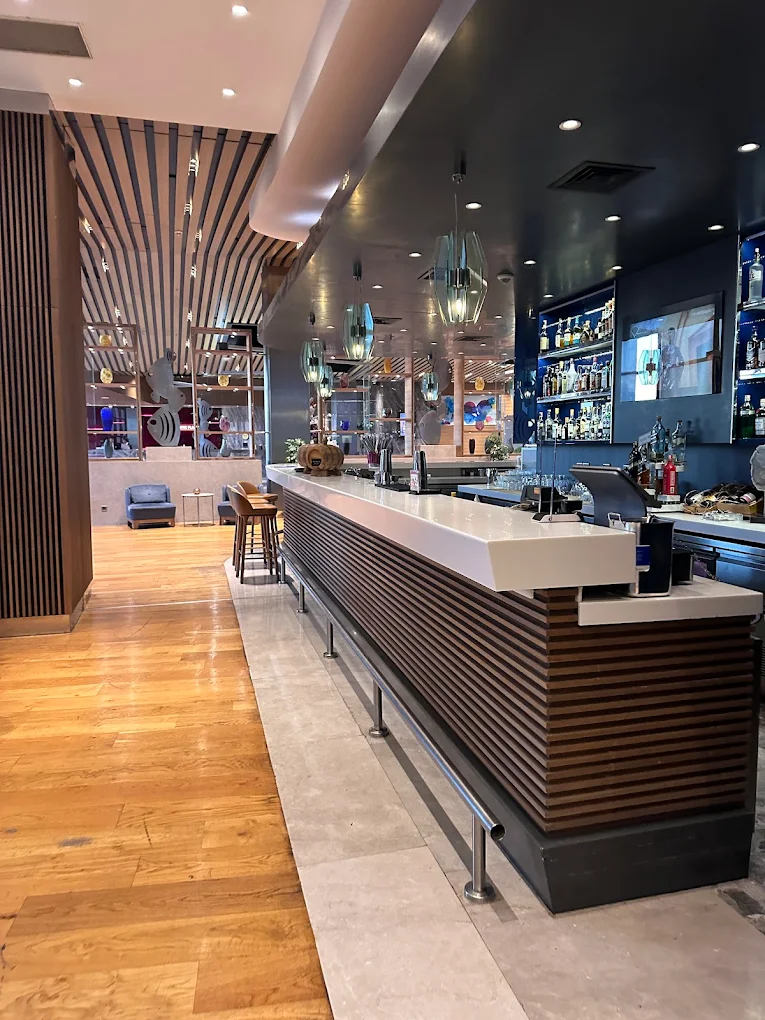
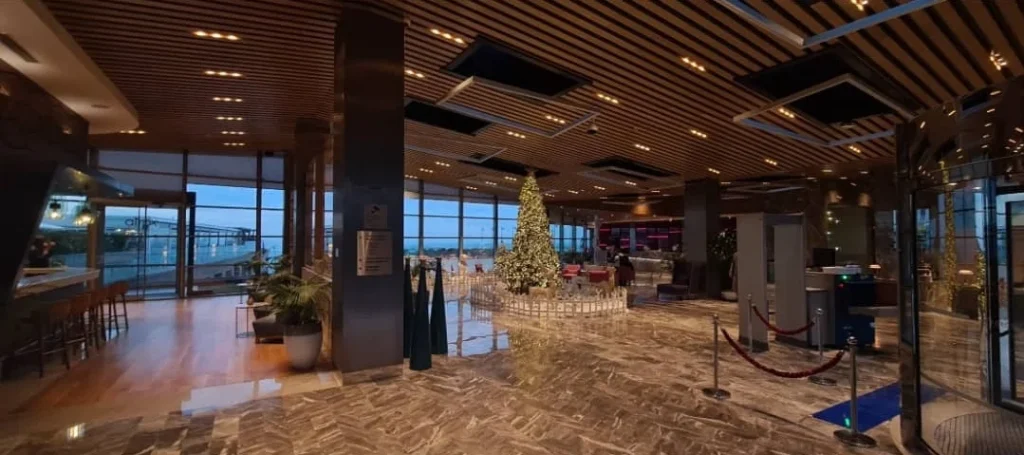
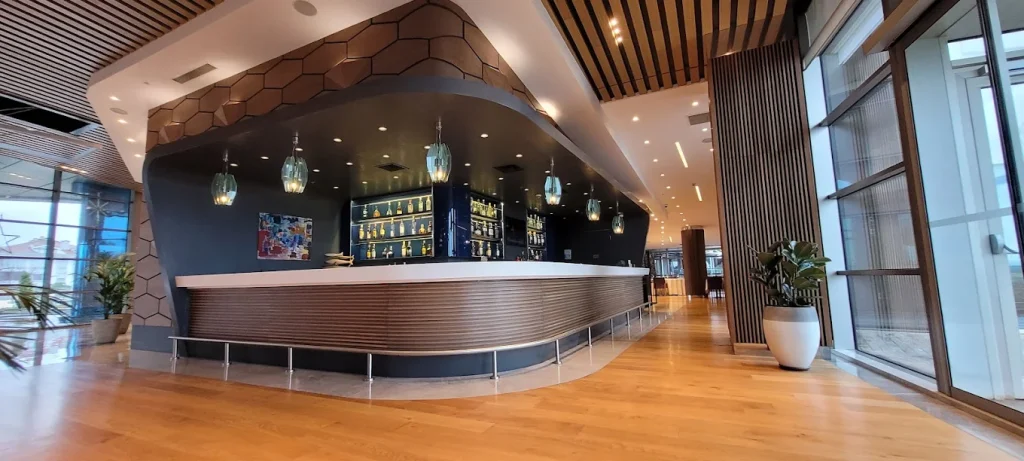
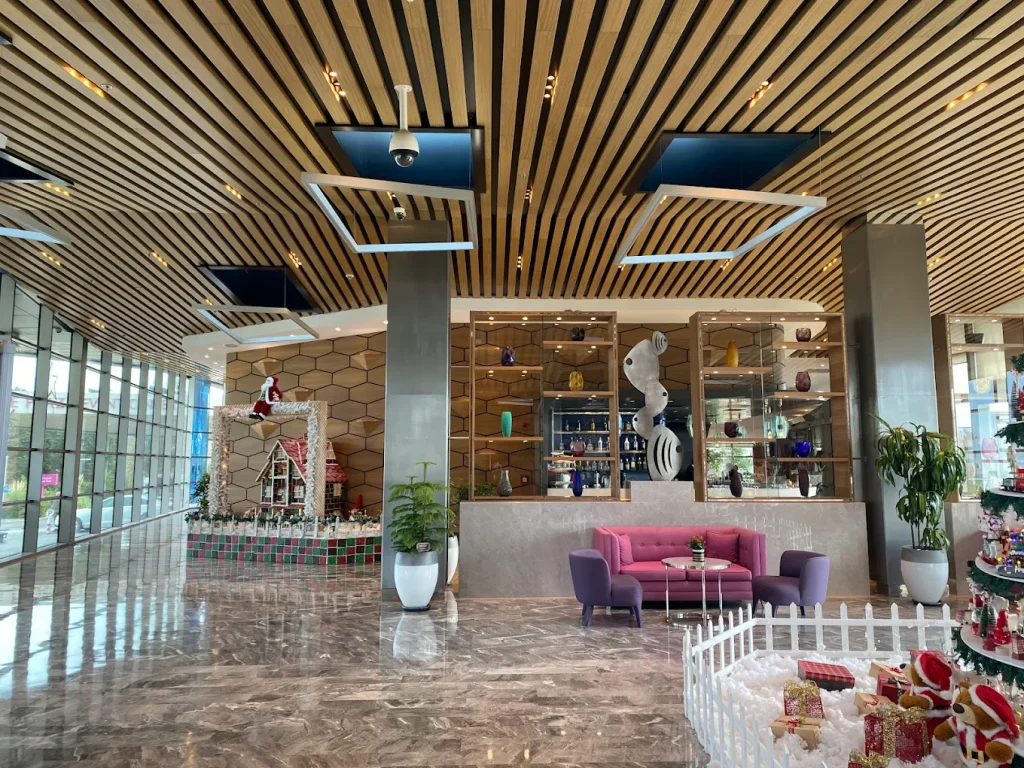
The true hallmark of a five-star property is its public spaces—the main lobby, grand reception, fine-dining restaurants, and executive bars. These areas require immense, complex architectural furniture assemblies that blend loose pieces with fixed interior millwork. Sourcing Luxury Hotel Furniture Turkey provides access to master engineers who specialize in blending mixed materials into stunning, high-traffic public installations.
Aesthetic Outer Panel (Stone/Veneer) ➔ Concealed Steel Chassis ➔ Silent Thermal Ventilation ➔ Smart Wire Management
Bespoke Reception Desks and Concierge Hubs
The main reception counter is a critical operational hub that must house heavy IT hardware, communication wiring, and security systems while maintaining a clean, luxurious appearance:
- Heavy-Gauge Internal Steel Chassis: Massive, sweeping reception desks often feature dramatic, cantilevered designs that look like floating stone. Turkish fabricators build these safely by constructing an internal structural chassis out of heavy-gauge, powder-coated box-section steel. This hidden skeleton carries the immense weight of stone cladding, preventing sagging and ensuring absolute safety.
- Seamless Sintered Stone and Quartz Integration: Top transaction counters are cladded with zero-porosity premium materials like Neolith, Dekton, or domestic quartz. These surfaces are completely immune to coffee stains, ink markers, and key scratches.
- Hidden Wire Management and Thermal Venting: Vertical cable risers and horizontal wire trays route electrical, data, and AV lines cleanly from the floor to the equipment workstations. Custom desks include CNC-routed ventilation grilles and silent cooling fans to prevent hidden computers and UPS systems from overheating.
Acoustic Wall Paneling and Ceiling Grilles
Expansive luxury lobbies with hard marble floors and high ceilings can suffer from loud echoes, making it difficult for guests to talk. Turkish millwork companies engineer custom decorative wood panels that double as effective sound-absorbing systems:
- Perforated Micro-Groove Technology: Wooden wall panels are precision-machined with tiny, nearly invisible laser punctures or micro-grooves that trap sound waves and stop them from bouncing back into the room.
- Acoustic Absorption Cores: These decorative panels are mounted over recycled acoustic felts or fire-rated rockwool insulation. This system achieves high Noise Reduction Coefficient (NRC) values, making the lobby significantly quieter and more relaxing.
- Concealed Interlocking Mounting Systems: Panels are installed using hidden aluminum Z-clip or French-cleat interlocking tracks. This eliminates ugly surface nails and gives the wood room to naturally expand and contract with seasonal humidity shifts.
5. Engineering the Perfect Ultra-Luxury Guestroom Suite
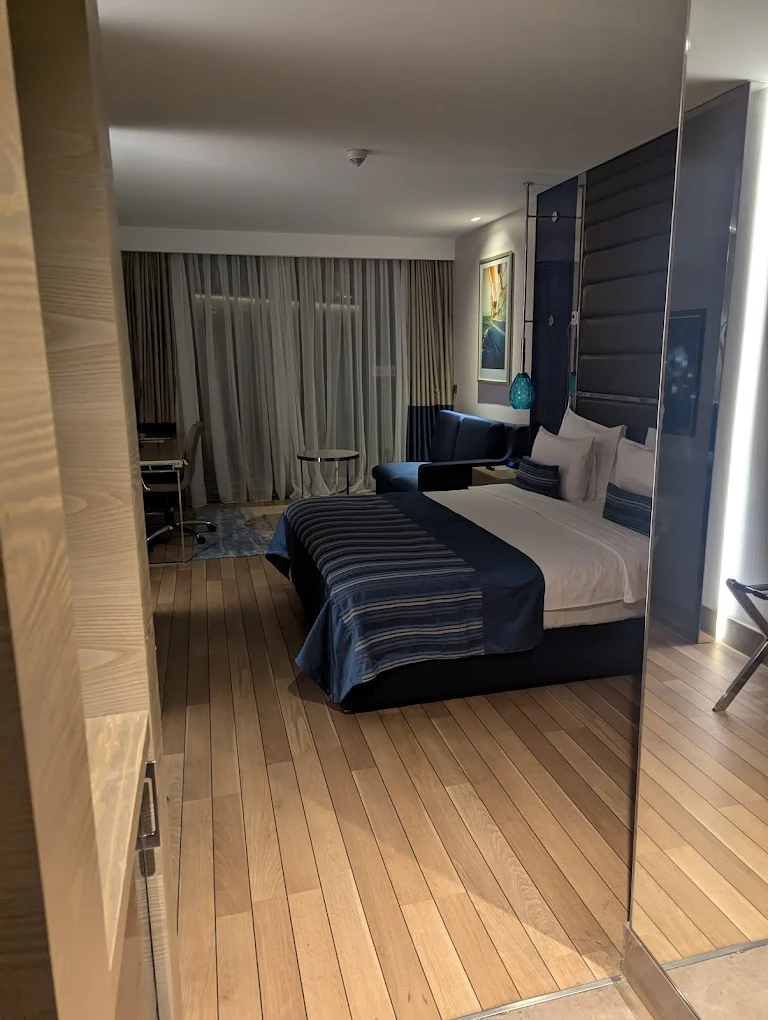
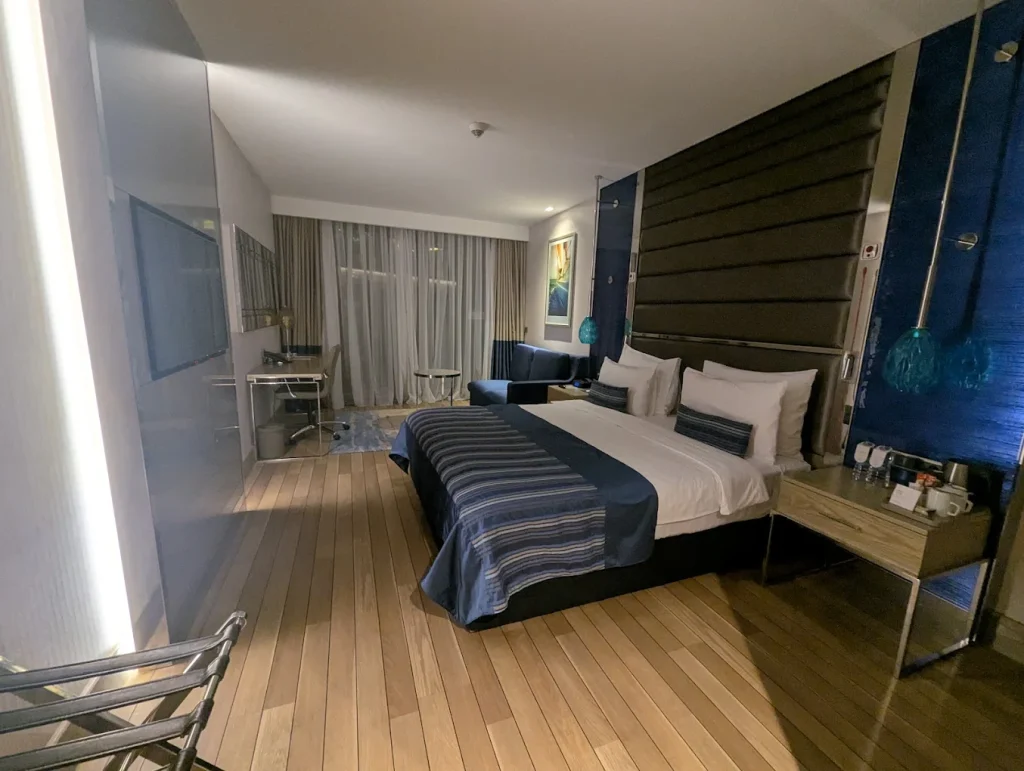
The luxury guestroom is an intimate space where the guest directly interacts with every furniture detail. Sourcing Luxury Hotel Furniture Turkey allows developers to deploy high-precision casegoods and loose furniture designed to maximize room space, simplify housekeeping access, and withstand heavy daily use.
Integrated Bed Headboards and Accent Walls
The bed wall is the visual centerpiece of the luxury guestroom. Modern luxury designs blend the headboard, nightstands, wall paneling, and electrical controls into one seamless assembly:
- Hidden Split-Batten Hanging Systems: Massive headboard panels are mounted using heavy-duty, interlocking aluminum split-battens. This system keeps panels perfectly flush against the wall, distributes weight evenly, and allows housekeeping teams to easily remove panels for wall maintenance or deep cleaning.
- Precision CNC Cutouts for Smart Controls: Turkish factories use precision CNC machinery to cut out openings for electrical outlets, light switches, reading lamps, and USB charging ports based on your shop drawings. The interior of the panels includes hidden router lines and fire-rated plastic channels to hide all wiring safely.
High-End Wardrobes, Walk-In Closets, and Minibar Cabinets
Wardrobes and minibar enclosures must maximize storage space while protecting delicate internal appliances and wiring:
- Industrial-Grade Continuous Hardware: In commercial settings, standard cabinet hinges will quickly loose or sag. Turkish manufacturers specify 110-degree or 165-degree continuous hinges, soft-close drawer slides rated for 50kg loads, and heavy-duty sliding door tracks that won’t jump their rails.
- Ventilation and Heat Management: Minibars and safe boxes generate continuous dry heat. If this heat is trapped, the appliance will fail or scorch the surrounding wood cabinetry. Turkish fabricators build custom cabinets with CNC-routed ventilation grilles at the base and back, creating a natural chimney effect that vents warm air away safely.
- Integrated Sensor Lighting: Wardrobes feature recessed LED light strips that turn on automatically using micro-switches or motion sensors when the doors open, adding a premium feel while saving energy.
Heavy-Duty Desks and Integrated Luggage Racks
The luggage rack receives direct impacts from heavy, metal-cornered suitcases, making it one of the most vulnerable pieces in the room:
- Heavy-Impact Protective Surfaces: Luggage platforms are topped with highly durable materials like natural granite, sintered quartz stone, or thick high-pressure laminate (HPL).
- Stainless Steel Protective Slats: To stop luggage from scratching wood veneer surfaces, manufacturers embed solid stainless steel or heavy rubber bumpers into the top surface of the rack.
- Wall Protection Guards: Luggage racks include an integrated vertical backrest panel that keeps suitcases from rubbing against or denting the guestroom’s painted or wallpapered walls.
6. Strict Fire Retardancy and International Compliance
Safety compliance is a strict legal requirement across the global hospitality sector. Elite factories specializing in Luxury Hotel Furniture Turkey build and certify furniture to meet your destination market’s exact regulations, working with leading international testing labs like Intertek, SGS, and Bureau Veritas.
European Union Standards (EN)
Materials used for luxury European hospitality projects must pass strict fire safety checks:
- EN 1021-1: Simulates structural exposure to a smoldering cigarette on upholstered seating.
- EN 1021-2: Simulates structural exposure to a match flame equivalent, ensuring materials do not promote rapid flame spread.
United Kingdom Standards (British Standard BS)
The UK hospitality market enforces some of the strictest fire codes in the world. Turkish manufacturers regular build furniture to clear these high bars:
- BS 5852 (Crib 5): This intensive test uses a flaming wooden crib structure placed on the upholstery. The fabric, foam, and internal linings must self-extinguish within a strict timeframe without allowing the fire to spread through the core cushions.
United States Standards (CAL)
For luxury properties across North America, materials must conform to strict state and federal fire codes:
- California Technical Bulletin 133 (CAL 133): A full-scale flammability test for furniture deployed in high-risk public occupancies. Seating components are tested together inside a specialized burn chamber to measure total heat release and smoke generation.
7. The End-to-End B2B Sourcing Lifecycle and Value Engineering
Sourcing custom Luxury Hotel Furniture Turkey requires a structured, step-by-step approach to keep production on track, control costs, and ensure everything is built to specification.
Detailed Tender/RFQ ➔ Value Engineering (VE) ➔ Full Mock-Up Room ➔ Mass Factory Production ➔ Third-Party Inspection
1. The Detailed Tender and RFQ Package
The procurement process begins with a comprehensive tender package. To ensure fast, highly accurate pricing from Turkish manufacturers, your RFQ should include:
- Complete interior design concept drawings and detailed space layouts.
- Bill of Quantities (BOQ) detailing exact item counts and target dimensions.
- Full material specifications, including specific gloss levels, metal finishes, and fabric rub counts.
- Target delivery schedule and on-site completion dates.
2. Value Engineering (VE) and Material Optimization
During this phase, factory production engineers review the designs to optimize production processes and reduce material waste without compromising style or strength:
- Recommending alternative, cost-effective materials, such as replacing a low-use vertical wood veneer with a matching, durable laminate surface.
- Adjusting interior construction layouts to maximize material use from standard sheets, lowering raw material costs.
- Streamlining complex internal joints to reduce manual assembly time, which speeds up factory production.
3. The Full-Scale Prototype Mock-Up Room
Before greenlighting full factory mass production, reputable Turkish manufacturers build a complete, full-scale mock-up room:
- Real-World Inspection: The client, interior designer, and procurement team inspect the physical furniture to check proportions, material finishes, and overall comfort.
- Hardware Evaluation: Technicians test how functional elements perform, ensuring soft-close drawer slides, continuous hinges, and wire management tracks work smoothly.
- Refining Production: The factory uses the mock-up phase to fine-tune assembly steps and eliminate potential defects before starting full-scale mass production.
8. Factory Quality Assurance Workflows and Quality Control Audits
Maintaining high quality standards requires a proactive quality control process at the factory. Relying only on a final check before shipping can lead to costly project delays. Top factories manufacturing Luxury Hotel Furniture Turkey follow strict quality checks at four separate production milestones:
Incoming Materials Audit ➔ CNC Cutting Precision Check ➔ Post-Assembly Structural Audit ➔ Pre-Packing Visual Inspection
Milestone 1: Incoming Raw Materials Audit
Before production begins, quality control engineers check all incoming materials:
- Timber moisture levels are checked with digital meters to ensure wood stays between 8% and 10% moisture content, preventing future cracking or warping.
- Fabric batches are cross-checked against approved control swatches under standardized lighting to ensure perfect color consistency across dye lots.
Milestone 2: CNC Machining and Cutting Precision
As automated routers cut out parts, operators run continuous checks:
- Tolerances are held to an incredibly tight \(\pm 0.5\text{ mm}\) variance, guaranteeing that modular panels and custom millwork fit together perfectly during final on-site installation.
Milestone 3: Post-Assembly Structural Audit
Once frames and casegoods are assembled but before finishes or upholstery are applied, inspectors test structural integrity:
- Technicians check all joint configurations, run mechanical stress tests, and ensure hidden structural metal reinforcements are securely anchored.
Milestone 4: Pre-Packing Visual and Functional Inspection
The final check occurs before items are cleared for packaging:
- Every surface is inspected under bright light to check for finish defects, scratches, or uneven sheen.
- Technicians test all moving parts, opening and closing doors and drawers to ensure soft-close hinges and glides slide smoothly.
9. Heavy-Duty Export Packaging and Ocean Freight Logistics
Transporting high-value luxury furniture from a factory in Turkey to an international hospitality job site requires heavy-duty protective packaging and carefully planned container logistics.
Protective Packaging Materials
To prevent scratches, dents, and moisture damage during ocean transit, luxury furniture is packed using multi-layered protective materials:
- High-Density Polyethylene Foam Caps: Vulnerable corners and polished edges are fitted with thick foam caps and reinforced with heavy-duty corrugated edge guards.
- Anti-Scratch PE Protective Film: Sensitive polished wood veneers, delicate lacquered panels, and premium metal accents are wrapped in a thick protective film.
- Expanded Polystyrene (EPS) Foam Boards: Items are securely packed inside thick, double-wall corrugated cardboard boxes lined with foam sheets to absorb heavy transport shocks.
- Industrial Silica Gel Desiccant Packs: Added to every box and container to absorb ambient moisture, preventing mold growth or wood warping during sea transit.
[Furniture Surface] ➔ [Anti-Scratch Film] ➔ [EPS Foam Lining] ➔ [Double-Wall Box] ➔ [Reinforced Wooden Crate]
Smart Container Loading and Bracing Systems
Experienced Turkish logistics teams use dedicated software to plan container loading, ensuring everything arrives safely:
- Stable Weight Distribution: Heavy casegoods, stone countertops, and metal frames form a secure base at the bottom of the container, while lighter upholstered pieces sit safely on top.
- Secure Bracing Systems: Wood blocks, cargo straps, and heavy-duty inflatable dunnage bags are installed throughout the container to stop items from sliding or tipping during rough sea conditions.
10. Sustainable Production and Green Building Compliance
Sustainability is now a core requirement for modern hospitality brands. The Turkish luxury furniture sector has upgraded its manufacturing infrastructure to meet international green building and environmental standards.
Sustainable Timber (FSC) ➔ Eco-Friendly Processing (Low-VOC) ➔ Circular Manufacturing Waste Recycling
Responsibly Sourced Timber Networks
- FSC Chain of Custody Certification: Leading Turkish manufacturers hold full Forest Stewardship Council (FSC) certification. This ensures that all solid woods, plywoods, and MDF cores can be traced back to legally managed, sustainable forests.
- Protecting Regional Ecosystems: Using FSC-certified timber guarantees that logging practices preserve forest biodiversity, prevent illegal logging, and protect local water basins.
Low-Emission Coatings and Healthy Indoor Air Quality
Indoor air quality is essential for guest comfort and well-being. Sustainable factories use low-emission finishes to protect indoor environments:
- E1 and E0 Engineered Wood Standards: Wood cores meet strict European E1 or E0 standards, ensuring formaldehyde emissions stay well below hazardous levels.
- Eco-Friendly Water-Based Finishes: Factories use water-based polyurethane coatings and natural oils instead of traditional solvent varnishes. This reduces Volatile Organic Compound (VOC) emissions, keeping the air clean for both production workers and future hotel guests.
11. Navigating Contracts, Incoterms, and Payment Milestones
Working with international manufacturing partners requires clear, legally binding commercial agreements to protect both parties and ensure project success.
Understanding International Commercial Terms (Incoterms)
Your production contract must clearly state which Incoterm applies, defining exactly who handles transport costs, customs clearances, and shipping risks:
- EXW (Ex Works): The buyer assumes full responsibility, managing transport and insurance from the factory floor all the way to the final hotel project site.
- FOB (Free On Board): The manufacturer manages local transport and export clearance, handing responsibility over once the containers are loaded onto the ship at the Turkish port (such as Ambarlı, İzmir, or Gemlik).
- DDP (Delivered Duty Paid): The manufacturer manages the entire shipping process, including ocean freight, import duties, local customs clearance, and final delivery directly to the hotel construction site.
Structured Payment Milestones
B2B hospitality manufacturing contracts typically use a milestone-based payment structure to keep project cash flow steady, balanced, and predictable:
30% to 40% Advance Deposit ➔ 50% to 60% Mid-Line/Post-Inspection ➔ 10% Final Performance Retainage
- Advance Deposit (30% to 40%): Paid to lock in raw material prices, book factory production slots, and start engineering shop drawings.
- Mid-Line or Post-Inspection Milestone (50% to 60%): Released after the mid-production quality inspection passes, right before containers are sealed and shipped.
- Final Balance (10%): Held as a performance retainage, released once the shipment arrives safely at the destination site or after final installation sign-off.
Conclusion: Maximizing ROI with Turkish Luxury Furniture Partnerships
Sourcing Luxury Hotel Furniture Turkey provides global hospitality brands with an exceptional combination of structural durability, reliable logistics, and advanced value engineering. By choosing a manufacturer that aligns with your design language, project scale, and material requirements, you can build a striking, high-performance public space that welcomes guests and supports efficient daily operations.
Partnering with certified Turkish factories ensures your custom reception counters, high-traffic lounge seating, and architectural millwork will look impressive, comply with international fire codes, and withstand the demands of a busy hotel environment for years to come.
Butik Otel Mobilyaları
Butik Otel Mobilyaları



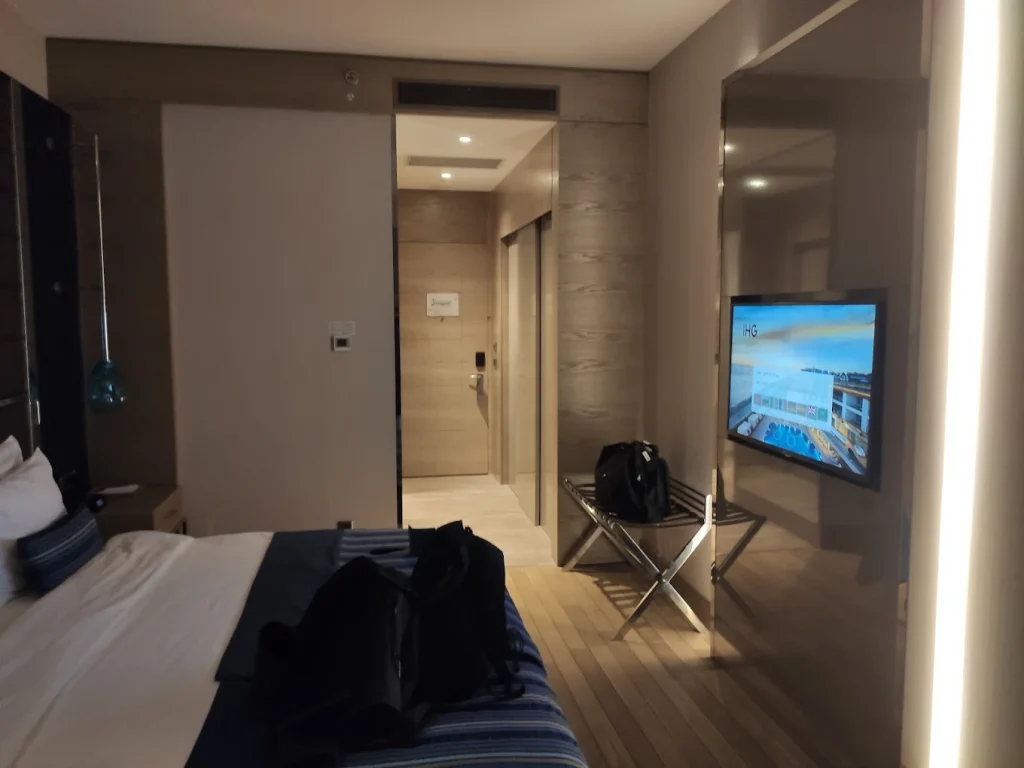
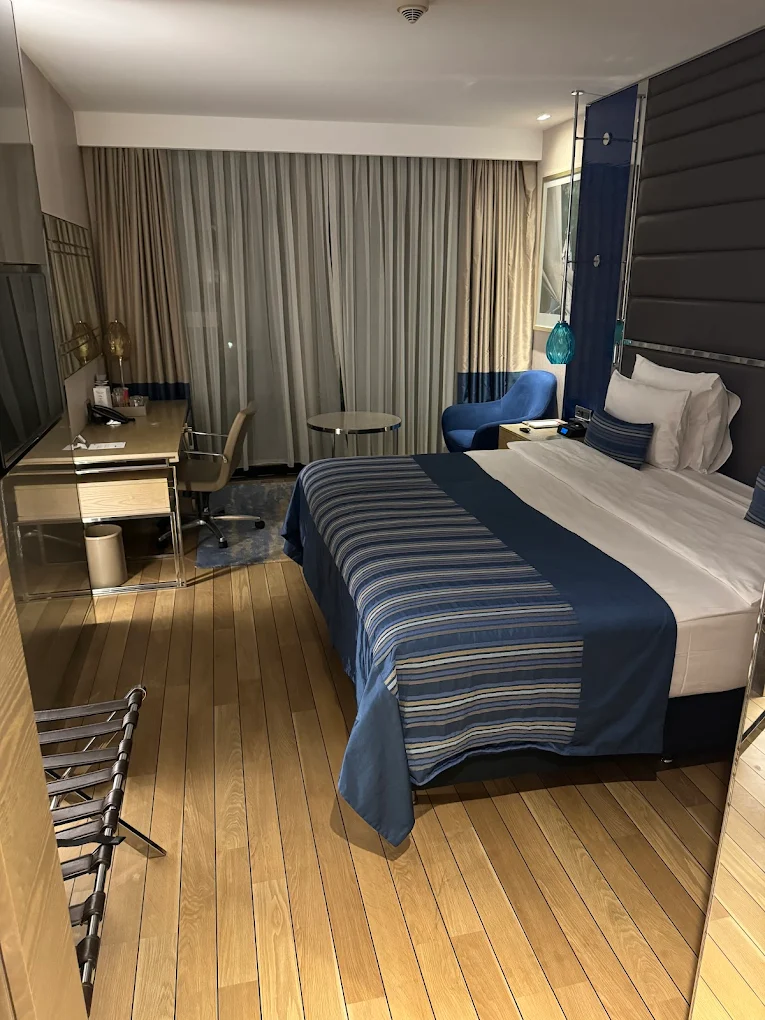
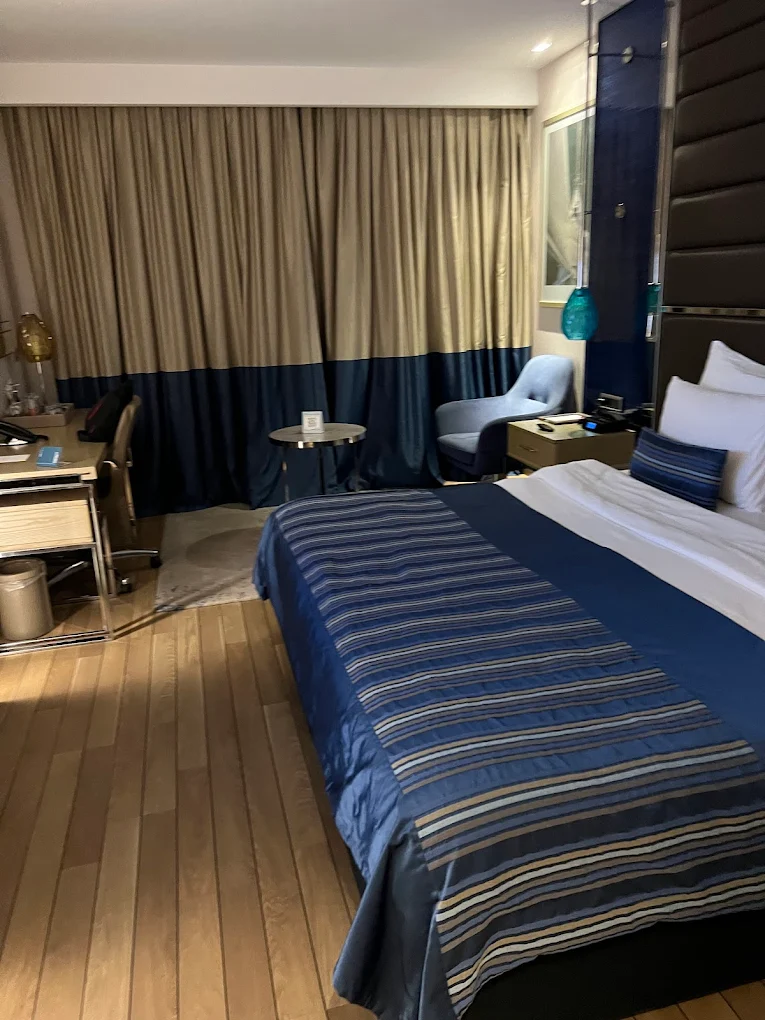

Butik Otel Mobilyaları
Etiket:5-Star Hotel Furniture Manufacturing Turkey, Custom Production Hotel Furniture Turkey, Hotel Bar Furniture Turkey, Hotel Chairs Turkey, Hotel Coffee Table Models Turkey, Hotel Desk Turkey, Hotel Luggage Rack Cabinets Turkey, Hotel Nightstand Models Turkey, Hotel Restaurant Furniture Turkey, Hotel Suite Furniture Turkey, Hotel Tables Turkey, Hotel Wardrobe Internal Systems Turkey, King Suite Furniture Turkey, Mini Bar Cabinet Turkey, Open Wardrobe Models Turkey, Standard Hotel Room Decoration Turkey, VIP Lobby Furniture Turkey

Şunları da sevebilirsiniz
Lacquered Room Doors Production Turkey
Solid Wood Door Turkey