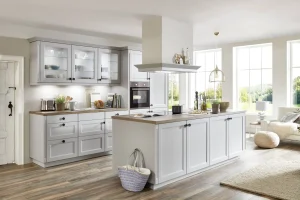

Luxury Hotel Furniture Turkey
Luxury Hotel Furniture Turkey: The Definitive B2B Procurement and Engineering Guide for 5-Star Hospitality
The global high-end hospitality market demands flawless execution, design originality, and uncompromising structural integrity. Within this luxury landscape, international developers, prestigious interior architecture firms, and procurement directors are increasingly moving away from high-overhead Western European workshops and volatile East Asian supply lines. Instead, they are centralizing their Furniture, Fixtures, and Equipment (FF&E) supply chains within the elite Luxury Hotel Furniture Turkey manufacturing ecosystem.
Turkey has established itself as the leading destination for premium, bespoke hospitality interiors. The country blends advanced multi-axis CNC automation with a deeply rooted history of artisan craftsmanship. Sourcing your ultra-high-end guestroom, lobby, and public space installations from Turkey is a strategic business decision that optimizes capital allocation, ensures regulatory compliance, and delivers world-class design execution. This technical guide serves as the ultimate B2B reference for navigating the material standards, engineering specifications, manufacturing hubs, and procurement processes within the Luxury Hotel Furniture Turkey sector.
1. Macro-Economic Foundations of Luxury Hotel Furniture Turkey
The rapid growth of the Luxury Hotel Furniture Turkey sector is driven by long-term macroeconomic advantages, geographic proximity, and a highly integrated domestic network of raw materials. This unique combination allows Turkish manufacturers to consistently outperform global competitors in the ultra-high-end market.
+-------------------------------------------------------------------+

|             THE TURKISH LUXURY FF&E ADVANTAGE MATRIX              |
+----------------------+--------------------------------------------+

| Strategic Parameter  | Operational Reality for Luxury Procurement |
+----------------------+--------------------------------------------+

| Logistics Speed      | 5–9 days overland to EU; 12–18 days to GCC |
+----------------------+--------------------------------------------+

| Raw Material Control | Local access to rare timbers, marble, textiles |
+----------------------+--------------------------------------------+

| Regulatory Parity    | Native compliance with EN, BS, and CAL 133 |
+----------------------+--------------------------------------------+

| Mixed-Media Mastery  | Seamless wood, metal, glass, & stone setups|
+----------------------+--------------------------------------------+
Strategic Geography and Supply Chain Security
In luxury hospitality development, a single week’s delay in opening can cost a luxury brand hundreds of thousands of dollars in lost room revenue and damage brand reputation. The Luxury Hotel Furniture Turkey sector eliminates these long transit risks through its unique geographic position:
- Overland Freight Speed: For prestige hotel renovations across continental Europe and the United Kingdom, Turkish production facilities use direct overland mega-trucking networks. This delivers completed furniture sets door-to-door within 5 to 9 days, completely bypassing the port congestion and shipping line delays common with maritime transit from East Asia.
- Maritime and Air Velocity: Bordered by major seas, Turkey features deepwater cargo ports (such as Ambarlı in Istanbul and Gemlik in Bursa) that offer weekly, direct shipping loops to North America, North Africa, and the GCC region. Average transit times to Middle Eastern ports range from 7 to 14 days, compared to the 35+ days required from East Asian shipping lanes.
- The Customs Union Integration: Turkey’s long-standing Customs Union agreement with the European Union streamlines the cross-border movement of commercial goods. It standardizes customs documentation, implements preferential origin status, and eliminates import tariffs for EU-based developers. This reduces administrative overhead and prevents sudden border delays.
Fully Integrated Domestic Supply Clusters
The manufacturing of Luxury Hotel Furniture Turkey is uniquely insulated from global supply chain shocks because its raw material network is almost entirely domestic. This integration allows factories to maintain absolute quality control over every component:
- Prestige Timber Reserves: Turkey’s forestry infrastructure provides local sawmills with a continuous supply of high-density European beech, white oak, walnut, and chestnut. This timber is harvested under strict state controls, ensuring consistent grain patterns, reliable density, and minimal reliance on imported raw wood logs.
- World-Class Textile Synergy: Turkey is a dominant global player in technical textiles and performance fabrics. Luxury furniture manufacturers work directly with local weavers to source advanced upholstery fabrics featuring integrated stain resistance, antimicrobial barriers, and inherent flame retardants without paying high import premiums.
- Natural Stone and Marble Abundance: Turkey controls over 40% of the world’s natural marble reserves, including famous varieties like Carrara-grade Mugla White, Afyon Sugar, and Emperador Dark. This immediate local access allows manufacturers to source, cut, and polish premium marble tops under one roof, avoiding the high cost and breakage risks of shipping raw stone blocks across borders.
2. Technical Engineering, Substrates, and Material Specifications
The difference between premium residential furniture and authentic Luxury Hotel Furniture Turkey lies within its internal engineering. High-end hospitality furniture must withstand heavy, continuous use from international travelers and rigorous daily cleaning from housekeeping staff, all while maintaining its flawless, luxurious appearance.
+-------------------------------------------------------------------+

|               CRITICAL HARDWARE AND SUBSTRATE METRICS             |
+-----------------------+-------------------------------------------+

| Engineering Parameter | Commercial Hospitality Target Benchmark    |
+-----------------------+-------------------------------------------+

| Substrate Density     | Moisture-Resistant MDF ≥ 780 kg/m³        |
+-----------------------+-------------------------------------------+

| Formaldehyde Emission | Euro E0 or E1 Classification Only         |
+-----------------------+-------------------------------------------+

| Veneer Engineering    | 0.6mm to 1.2mm Crown or Quarter-Cut Leaf   |
+-----------------------+-------------------------------------------+

| Surface Coating       | Multi-Layer PU or Acrylic UV-Inhibited    |
+-----------------------+-------------------------------------------+
Core Material Selection: MR MDF vs. Multi-Layer Marine Plywood
The performance of luxury casegoods depends heavily on the hidden substrate material beneath its outer veneer or artisan lacquer layer. Elite suppliers of Luxury Hotel Furniture Turkey choose high-performance engineered options:
- Moisture-Resistant High-Density MDF (MR MDF): For large wardrobes, wall paneling, and headboard structures, factories utilize premium MR MDF with core densities exceeding 780 kg/m³. The moisture-resistant chemical matrix prevents the swelling, edge-splitting, and core degradation that typically occurs when furniture is installed in humid coastal resorts or subjected to damp mopping by housekeeping crews.
- Multi-Layer Marine Plywood: For high-stress seating frames, luggage bench structures, and bathroom vanity supports, manufacturers select cross-laminated birch or beech marine plywood. This material offers exceptional screw-holding capacity, resists warping under heavy loads, and provides excellent stability across varying indoor temperatures.
- Environmental Emission Standards (E0 and E1): To comply with modern green building certificates such as LEED and BREEAM, Turkish casegoods conform strictly to European E1 or E0 low-formaldehyde emission limits. This protects indoor air quality in tightly sealed, air-conditioned guestrooms.
Advanced Joinery and Mixed-Media Integration
A piece of furniture in a five-star hotel room must handle sudden impacts from heavy luggage and support the weight of guests sitting on unexpected surfaces. Turkish structural engineers utilize time-tested mechanical connections:
- Automated Double-Doweling and Mortise Systems: Main structural panel connections are formed using automated multi-spindle double-doweling equipment. This is paired with high-performance industrial polyvinyl acetate (PVA) wood adhesives and hidden steel cam-lock minifix systems, which distribute physical stress evenly across the joint.
- Solid Hardwood Corner Bracing: Desk bases, nightstand frames, and luggage platforms are reinforced internally using solid kiln-dried beech corner blocks. These blocks are glued and secured with twin countersunk steel screws to prevent structural wobbling over years of continuous service.
- Mixed-Media Metal Integration: True luxury design frequently requires combining wood with metal, glass, and stone. Turkish factories feature dedicated in-house metalworking divisions that work with stainless steel, brass, and bronze. These metals are cut via precision lasers, welded by hand or automated fixtures, and treated with durable PVD coatings or hand-applied antique patinas.
High-Performance Surface Coatings and Chemical Resistance
The outer finish of luxury furniture must look pristine while defending against hot coffee spills, alcohol-based perfumes, keys, and harsh cleaning solutions:
- Polyurethane (PU) and Acrylic Lacquer Systems: Automated factories apply finishes inside pressurized, dust-free spray booths. Multi-layer PU or acrylic lacquers include specialized ultraviolet (UV) inhibitors. These protect real wood veneers from fading, yellowing, or losing their sheen when exposed to direct sunlight through large guestroom windows.
- High-Gloss Polyester and Piano Finishes: For ultra-luxury projects, Turkish artisans excel at multi-layer polyester finishes. This process requires applying multiple coats of premium resin, followed by mechanical sanding and wool-pad buffing. The result is a glass-like, deep surface that is highly resistant to scratches and impact damage.
- Resistance to Sanitizers: Surface coatings are formulated and tested to ensure they do not soften, bubble, or discolor when wiped down daily with harsh quaternary ammonium or alcohol-based commercial disinfectants.
3. Spatial Engineering and Functional Zones within Luxury Guestrooms
A modern luxury hotel room is a multi-functional space contained within a limited footprint. It must serve as a comfortable bedroom, an efficient remote office, a secure dressing area, and a private dining space. Optimizing this layout requires precise spatial engineering across every furniture item. Sourcing your Luxury Hotel Furniture Turkey allows you to leverage expert spatial engineering across three distinct guestroom areas.
+-------------------------------------------------------------------+

|               GUESTROOM SPATIAL AND FF&E ARCHITECTURE             |
+-------------------------------------------------------------------+

| [The Bedding Interface Zone]                                      |
|  ├── Split Headboards (Integrated LED runs, pre-routed cutouts)   |
|  └── High-Load Bed Platforms (Recessed plinths, steel wire bays)  |
+-------------------------------------------------------------------+

| [The Remote Workspace & Entertainment Axis]                       |
|  ├── Ergonomic Desks (Hidden wire management, integrated USB hubs)|
|  └── Media Accent Panels (Pre-wired backings, flush wall anchors)  |
+-------------------------------------------------------------------+

| [The Wardrobe, Minibar, & Smart Storage Core]                     |
|  ├── Wardrobes (Laser-vented slots, heavy-duty soft-close rails)  |
|  └── Luggage Platforms (HPL sheets, stainless protective rails)   |
+-------------------------------------------------------------------+
The Bedding Interface Zone (Headboards and Bases)
The bed is the visual focal point of the guestroom and the primary touchpoint for guest comfort.
- Architectural Wall-Mounted Headboards: Modern headboards are designed as large, architectural wall systems rather than simple bed attachments. Turkish engineers design these panels with pre-routed wiring channels and structural cutouts to accept low-voltage LED strip lights, bedside reading spotlights, and multi-gang electrical faceplates featuring international power sockets and USB charging ports.
- French Cleat (Z-Clip) Installation: To ensure fast onsite installation and secure wall anchoring, headboard panels use heavy-gauge aluminum or timber Z-clips. This interlocking system distributes the weight evenly across the wall studs and allows maintenance teams to quickly remove a panel for painting or electrical repairs without damaging the drywall.
- High-Load Platform Bases (Divans): Hotel bed bases must support heavy weight without squeaking or sagging. Turkish factories build these platforms with internal steel box frames or thick multi-layered plywood boxes. They feature recessed base plinths to prevent guests from stubbing their toes, and are wrapped in durable, wipeable contract vinyl or stain-resistant upholstery fabrics.
The Remote Workspace and Entertainment Axis
With the rise of business and bleisure travel, the desk and media display zone must function as a high-performance workspace.
- Smart Desk Design: High-end desks feature integrated wire-management channels beneath the work surface. Flip-up connection boxes allow guests to plug in devices without reaching behind the furniture, keeping laptops and chargers organized and out of sight.
- Pre-Wired Media Backing Panels: Wall-mounted TV panels feature hidden cable pathways and removable access panels. This allows low-voltage HDMI, data, and power lines to run clean and unseen from media players or automated systems directly to the flat-screen display.
- Heavy-Duty Desk Chairs: Desk seating uses reinforced solid beech frames or cast aluminum bases with heavy-duty swivel mechanisms. Upholstery fabrics are specified for high abrasion resistance to handle long working sessions.
The Wardrobe, Minibar, and Smart Storage Core
This high-use utility area requires excellent thermal management and maximum structural durability.
- Minibar Ventilation and Thermal Management: Enclosing a mini-refrigerator inside a wooden cabinet requires careful airflow management to prevent heat buildup and compressor failure. Turkish casegoods engineers design these cabinets with laser-cut ventilation slots in the base plinth and rear panels, creating a reliable chimney effect for heat dissipation. They also line the interior base with waterproof laminate sheets to protect against condensation leaks.
- Luggage Platform Reinforcement: The luggage bench takes direct impacts from heavy, metal-cornered suitcases. Turkish factories reinforce these platforms with thick HPL sheets or stainless steel protective inlay strips to prevent gouging, scuffing, and finish wear.
- Wardrobe Hardware Durgevity: Wardrobe doors feature heavy-duty European soft-close hinges or smooth sliding tracks (such as Samet or Blum) tested for 100,000 open-and-close cycles. This reduces ongoing maintenance costs and ensures quiet operation that won’t disturb sleeping guests.
4. Geographical Industrial Clusters: Sourcing Strategy by Region
The production of Luxury Hotel Furniture Turkey is organized into distinct geographical manufacturing hubs across the country. Each region features unique historical strengths, factory setups, pricing structures, and material specialties. Knowing which cluster fits your project parameters is essential for smart procurement.
+-------------------------------------------------------------------+

|               TURKISH FF&E MANUFACTURING CLUSTERS                 |
+---------------------+---------------------------------------------+

| Industrial Region   | Strategic Sourcing Specialization           |
+---------------------+---------------------------------------------+

| Istanbul (Modoko)   | High-end luxury, custom 5-star properties   |
+---------------------+---------------------------------------------+

| İnegöl (Bursa)      | High-volume automation, mid-tier properties |
+---------------------+---------------------------------------------+

| Kayseri             | Industrial mattress assembly & sofa mechanism|
+---------------------+---------------------------------------------+

| Ankara (Siteler)    | Detailed solid wood carving, classic style  |
+---------------------+---------------------------------------------+

| İzmir (Aegean Coast)| Resort, outdoor leisure, sustainable timber  |
+---------------------+---------------------------------------------+
Istanbul (Modoko & Masko): The Luxury and Custom 5-Star Hub
As Turkey’s financial and design center, Istanbul hosts premier design zones like Modoko and Masko.
- Target Projects: 5-star luxury brand properties, boutique design hotels, asset heritage renovations, and complex public spaces.
- Production Capabilities: Istanbul factories focus on high-end, custom manufacturing. They work with complex shop drawings and effortlessly combine wood with custom metal casting, polished brass, tempered glass, and exotic natural marbles.
- Client Interface advantages: The city’s proximity to international airports makes it easy for overseas design teams to visit, inspect full-scale mock-up rooms, and approve final finishes quickly.
İnegöl (Bursa): The High-Capacity Automation Powerhouse
Located in the industrial province of Bursa, İnegöl is one of Europe’s largest integrated furniture clusters.
- Target Projects: Large business hotels, select-service properties, international transit hubs, and massive holiday resorts requiring 200+ identical room keys.
- Production Capabilities: Factories in İnegöl are built for high volume and efficient mass-customization. They use advanced European machinery lines, including multi-axis CNC routers, automated edge-banders, and continuous conveyor spray booths.
- Cost Efficiency: High-volume material purchasing and optimized automated workflows allow İnegöl manufacturers to provide highly competitive pricing for large guestroom projects.
Kayseri: The Large-Scale Bedding and Structural Mattresses Hub
Kayseri, located in Central Anatolia, is a major industrial manufacturing zone.
- Target Projects: High-volume contract mattress orders, extra foldaway guest beds, and multi-functional sleeper sofas.
- Production Capabilities: The region features highly automated factories that mass-produce commercial-grade pocket-spring, memory foam, and hybrid mattresses. These items are built to pass strict international fire safety certifications, using automated steel frame welding and fabric quilting equipment.
Ankara (Siteler): Classic Woodworking and Artisanal Joinery
The historical Siteler district in Ankara is renowned for its traditional woodworking heritage.
- Target Projects: Palace-style luxury hotels, historic landmark properties, and high-end presidential suites.
- Production Capabilities: Siteler excels at traditional craftsmanship, hand-carved solid wood elements, complex wood marquetry, and classic hand-rubbed oil and lacquer finishes.
İzmir: Coastal Resort and Sustainable Outdoor Production
The Aegean region around İzmir specializes in open-air hospitality designs and eco-friendly manufacturing.
- Target Projects: Beach resorts, wellness retreats, outdoor patios, and eco-certified hotels.
- Production Capabilities: Factories here excel at manufacturing weather-resistant furniture using powder-coated aluminum frames, synthetic hand-woven resin wicker, and responsibly sourced marine teak or iroko woods. They also tend to focus on water-based, low-VOC finishing systems.
5. The B2B Procurement Pipeline: From Concept to Mass Production
Procuring custom Luxury Hotel Furniture Turkey requires a structured engineering workflow. Because hospitality furniture is manufactured on an OEM (Original Equipment Manufacturer) or ODM (Original Design Manufacturer) basis, factories follow a rigorous step-by-step pipeline to translate architectural drawings into physical furniture.
+-------------------------------------------------------------------+

|               THE B2B CONTRACT FF&E PIPELINE                      |
+-------------------------------------------------------------------+

| Phase 1: Technical Shop Drawing Translation                       |
|   └── CAD engineering, structural analysis, value engineering (VE)|
+-------------------------------------------------------------------+

| Phase 2: Material Matrix Submittals & Swatches                    |
|   └── Finish control boards, textile rub certifications           |
+-------------------------------------------------------------------+

| Phase 3: The 1:1 Scale Physical Mock-Up Room                      |
|   └── Full prototype build, client evaluation, detail changes    |
+-------------------------------------------------------------------+

| Phase 4: Full-Scale Factory Production                            |
|   └── Automated CNC routing, component assembly, multi-point QC   |
+-------------------------------------------------------------------+
Technical Shop Drawing Translation and Value Engineering
The process begins when the hotel developer or purchasing firm submits conceptual renderings, room layouts, and material lists created by their interior design agency.
- CAD/BIM Conversion: The manufacturer’s internal engineering team converts these artistic renderings into detailed, millimeter-accurate 2D CAD production shop drawings and 3D assembly models. They analyze joints, verify clearances, and ensure structural stability.
- Value Engineering (VE) Interventions: Experienced Turkish engineers can suggest practical material and design alternatives to lower costs without altering the designer’s aesthetic vision. For example, they might recommend replacing an expensive solid exotic timber panel with a book-matched natural veneer over an E1-grade MDF core. This change reduces your budget while improving the product’s resistance to warping and splitting.
Material Matrix Submittals and Swatch Testing
Before production begins, the factory prepares a complete material sample board for approval.
- Physical Samples: The client receives real samples of wood finishes, paint sheen percentages, fabric swatches, electroplated metals, and stone edges.
- Technical Documentation: Every material sample includes its corresponding technical data sheets, verifying performance metrics such as Martindale rub cycles, flame retardancy ratings, and weight tolerances.
The 1:1 Scale Physical Mock-Up Room
For large-scale hotel projects, building a physical mock-up room is a crucial step for quality control.
- Prototype Fabrication: The factory produces one complete set of guestroom furniture exactly to the agreed project specifications.
- Rigorous Evaluation: The client’s design, operational, and procurement teams inspect the prototype items in person or via high-definition video. They test seating comfort, check light interaction with the wood finishes, and verify internal cabinet space. Any necessary modifications are made to the technical drawings before launching full-scale mass production.
6. Global Quality Standards, Testing, and Compliance Certifications
International hotel groups like Marriott, Hilton, Accor, and IHG operate under strict global quality guidelines. Trusted manufacturers of Luxury Hotel Furniture Turkey maintain international certifications to ensure their products comply with global hospitality brand standards.
+-------------------------------------------------------------------+

|               GLOBAL INDUSTRIAL COMPLIANCE MATRIX                 |
+-------------------+-----------------------------------------------+

| Regulatory System | Testing Focus and Operational Scope           |
+-------------------+-----------------------------------------------+

| ISO 9001          | Standardized factory quality management lines |
+-------------------+-----------------------------------------------+

| ISO 14001         | Eco-conscious environmental waste controls    |
+-------------------+-----------------------------------------------+

| FSC Certified     | Traceable wood from sustainable forests       |
+-------------------+-----------------------------------------------+

| BS 5852 (Crib 5)  | British fire safety standard for upholstery   |
+-------------------+-----------------------------------------------+

| EN 1021-1 & 2     | European flame and cigarette resistance codes |
+-------------------+-----------------------------------------------+

| CAL 133           | US contract seating fire safety standards     |
+-------------------+-----------------------------------------------+
International Fire Safety and Flammability Standards
Guestroom upholstered furniture must meet strict contract flammability requirements to prevent fire spread in multi-story buildings:
- British Standard (BS 5852 Crib 5): Turkish manufacturers utilize combustion-modified high-resilience (CMHR) foams and fire-retardant fabric backs to ensure compliance with strict UK hospitality fire safety rules.
- European Norms (EN 1021-1/2): Seating and bedding products are tested to resist ignition from both smoldering cigarettes and small open match flames.
- California Technical Bulletin 133 (CAL 133): For projects in North America, factories construct furniture to pass full-scale open-flame room burn tests, providing complete certification paperwork for local building inspectors.
Factory Audits and Environmental Compliance
- ISO 9001 and ISO 14001 Standards: Leading Turkish furniture manufacturers operate under certified quality and environmental management frameworks. This ensures consistent production across thousands of room pieces and minimizes the factory’s environmental footprint through efficient waste recycling and low-energy workflows.
- FSC Chain-of-Custody Certification: To support green building standards like LEED, factories maintain FSC certification. This verifies that all lumber can be traced back to legally managed, sustainable forests.
- Formaldehyde and Low-VOC Finishes: Factories use water-based, low-VOC sealers and adhesives that meet European E0/E1 emission limits, protecting indoor air quality in guestrooms.
7. Logistics, Commercial Packaging, and Onsite Installation
The procurement process extends beyond the factory floor. It includes shipping logistics, customs handling, and onsite installation. Sourcing your Luxury Hotel Furniture Turkey offers a comprehensive logistics strategy that ensures your furniture arrives safely and is installed efficiently.
+-------------------------------------------------------------------+

|               THE TRANSIT AND INSTALLATION LOGISTICS               |
+-------------------------------------------------------------------+

| [Heavy-Duty Export Packaging]                                     |
|  ├── Low-tack PE scratch-resistant wrap over polished surfaces    |
|  └── Corner impact styrofoam blocks within double-wall boxes      |
+-------------------------------------------------------------------+

| [Container Packing Strategy (FCL)]                                |
|  ├── Flat-packed casegoods to maximize internal space volume      |
|  └── Heavy wood bracing and load straps to prevent sea shifting   |
+-------------------------------------------------------------------+

| [Onsite Assembly Support]                                         |
|  ├── Technical installation supervisors sent direct to site       |
|  └── Sequential delivery floor-by-floor matching project workflow |
+-------------------------------------------------------------------+
Commercial Export Packaging Standards
To protect high-finish casegoods from damage during international transit and rough handling, manufacturers follow strict packaging steps:
- Surface Protection: Polished and lacquered components are covered with low-tack scratch-resistant PE films. The entire item is wrapped in multi-layer expanded polyethylene (EPE) foam sheets.
- Heavy-Duty Box Packing: Items are packed flat inside heavy, double-wall corrugated cardboard cartons to maximize container space. Corners are reinforced with thick styrofoam or molded plastic protectors, and cartons are labeled with clear bilingual room location data and barcodes.
Shipping Efficiencies and Smooth Customs Clearance
- Container Loading Optimization (FCL): Goods are loaded directly into 40-foot High-Cube (HC) sea containers at the factory gate. Teams use specialized internal bracing and load strapping to prevent shifting during transit.
- Accurate Paperwork: Experienced export departments prepare all necessary international shipping documents—including commercial invoices, packing lists, bills of lading, certificates of origin, and ATR or EUR.1 certificates. This detailed documentation ensures smooth, timely customs clearance at your destination port.
Onsite Installation Management
- Factory Supervision Teams: Many top Turkish furniture manufacturers can send experienced technical supervisors or carpentry teams directly to your project site. These specialists handle precise leveling, trim filler panel adjustments, and final hardware tuning. This support helps keep your installation timeline on track and ensures your furniture looks and performs exactly as intended.
8. Strategic Guide to Negotiating and Projecting Timelines
Sourcing contract hospitality furniture requires clear communication, realistic timelines, and structured contracts. Here is a practical roadmap for managing your procurement project successfully.
+-------------------------------------------------------------------+

|              PROJECTED CONTRACT PRODUCTION TIMELINE               |
+-------------------------------------------------------------------+

| Weeks 1 - 3:   RFQ Submission, Design Concept & CAD Review        |
| Weeks 4 - 6:   Value Engineering, Estimates & Material Selection  |
| Weeks 7 - 9:   Mock-up Manufacturing, Delivery & Evaluation      |
| Weeks 10 - 18: Factory Mass Production & Continuous In-Line QC   |
| Weeks 19 - 22: Logistics, Sea/Land Freight & Customs Clearance   |
| Weeks 23 - 26: On-Site Unloading, Sorting & Final Installation   |
| Week 27+:      Final Walkthrough, Punch List & Project Sign-Off  |
+-------------------------------------------------------------------+
Key Contract Terms and Payment Standards
Hospitality procurement contracts require clear terms to protect both parties from unexpected costs or delays.
- Standard Financial Terms: The industry standard for custom manufacturing in Turkey typically follows a 30% to 40% advance deposit to trigger raw material purchasing and engineering drawings, followed by a 60% to 70% balance payment due upon quality approval before the containers leave the factory gates.
- Letters of Credit (LC): For large, multi-million dollar institutional projects, using an irrevocable LC can provide financial security for both the buyer and the seller.
- Define Incoterms: Clearly state the agreed-upon Incoterms in your contract (such as EXW, FOB, CFR, or DDP). This ensures there is no confusion about who is responsible for port charges, local transport, customs duties, and marine cargo insurance.
Conclusion: Maximizing Success with Luxury Hotel Furniture Turkey
Sourcing Luxury Hotel Furniture Turkey offers a competitive advantage for international hotel developers, interior designers, and brand operators. By manufacturing in Turkey’s specialized industrial clusters, you can access European-grade engineering, flexible customization options, and reliable shipping timelines at a competitive cost.
A successful procurement project relies on thorough planning, clear technical specifications, and a well-planned mock-up room review process. Partnering with the right Turkish manufacturer transforms the FF&E process from a logistical challenge into a reliable, efficient collaboration. This helps ensure your hospitality property opens on schedule with durable, beautiful furniture built to last.
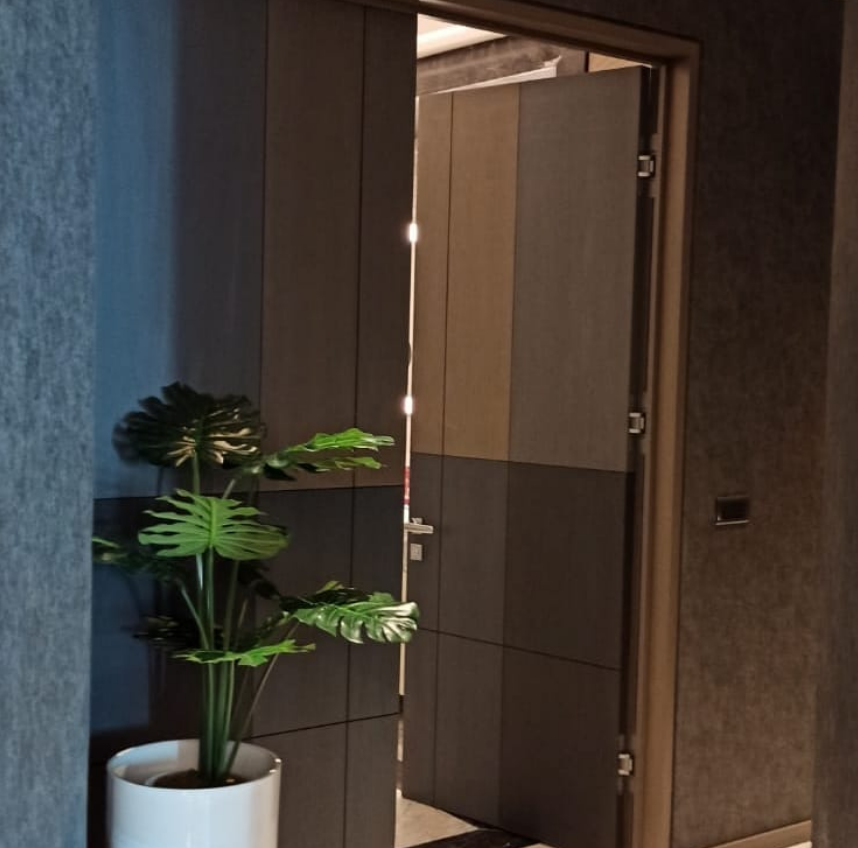
Butik Otel Mobilyaları
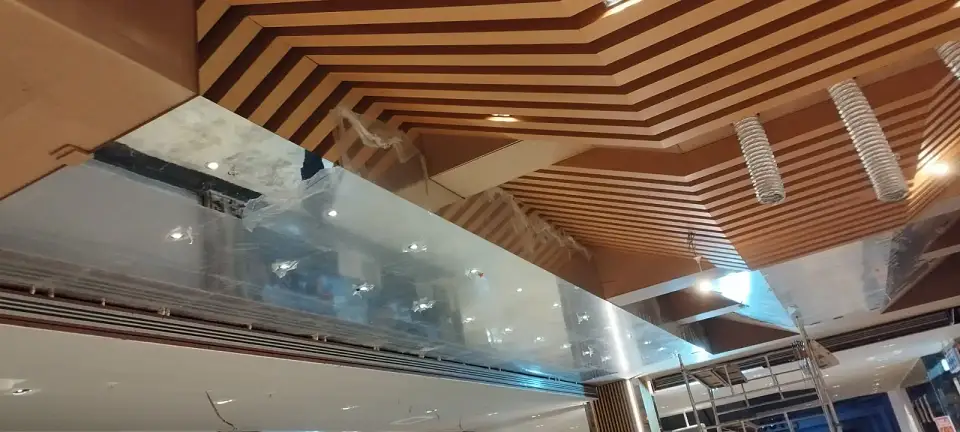
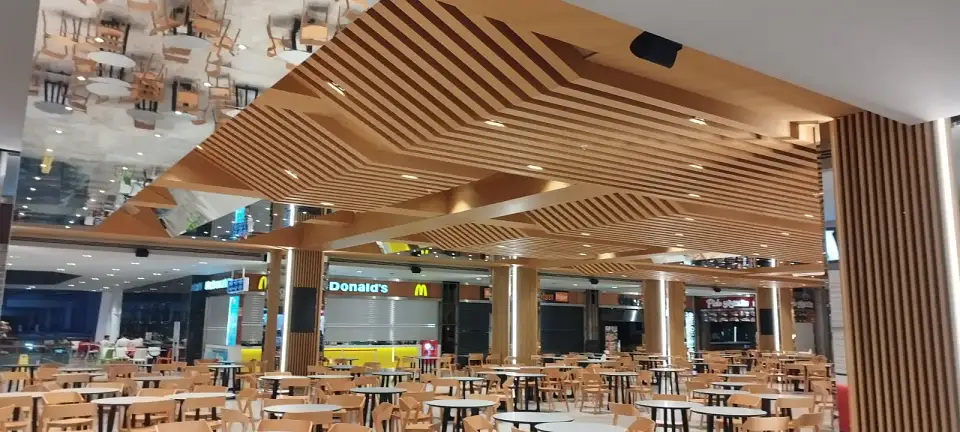






Butik Otel Mobilyaları
Etiket:5-Star Hotel Furniture Manufacturing Turkey, Hotel Bar Furniture Turkey, Hotel Chairs Turkey, Hotel Coffee Table Models Turkey, Hotel Desk Turkey, Hotel Luggage Rack Cabinets Turkey, Hotel Nightstand Models Turkey, Hotel Restaurant Furniture Turkey, Hotel Suite Furniture Turkey, Hotel Tables Turkey, Hotel Wardrobe Internal Systems Turkey, King Suite Furniture Turkey, Mini Bar Cabinet Turkey, Open Wardrobe Models Turkey, Standard Hotel Room Decoration Turkey, VIP Lobby Furniture Turkey

Şunları da sevebilirsiniz
Lacquered Room Doors Production Turkey
Solid Wood Door Turkey