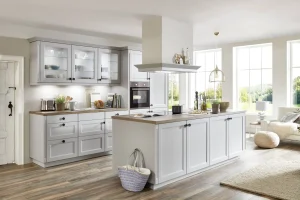

Solid Wood Hotel Furniture
Solid Wood Hotel Furniture: The Definitive B2B Engineering and Procurement Guide
The global hospitality sector operates within a highly competitive landscape where guest experience, brand differentiation, and operational asset longevity are directly linked to financial success. Among the critical choices that developers, procurement managers, and interior architects face during a property’s FF&E (Furniture, Fixtures, and Equipment) lifecycle, the decision to invest in solid wood hotel furniture stands as a pivotal milestone. While engineered boards and decorative laminates offer short-term cost relief, institutional hotel operators recognize that premium, raw timber structures bring unmatched tactile warmth, psychological grounding, and a lower total cost of ownership (TCO) over a multi-year property renovation cycle.
Sourcing commercial-grade timber configurations requires a rigorous understanding of material science, industrial woodworking physics, and contract-grade joinery engineering. A residential dining table experiences light, predictable use; conversely, a hotel workspace or lobby bench is subjected to constant structural impact, high-strength sanitizing chemicals, luggage scraping, and unpredictable fluctuating indoor microclimates.
This technically in-depth guide serves as an authoritative, B2B-focused resource designed to equip hospitality developers with the exact technical knowledge needed to specify, manufacture, and preserve solid wood hotel furniture across international procurement ecosystems.
1. The Value Proposition of Solid Wood in Hospitality Environments
To justify the upfront capital investment required for solid wood hotel furniture, a procurement team must evaluate the asset through the lens of operational lifecycle metrics rather than initial purchase costs.
Total Cost of Ownership (TCO) and Lifecycle Math
A primary mistake in hospitality FF&E planning is prioritizing low initial item costs over structural longevity.
- The Failure of Substitutes: Low-cost particleboard or medium-density fiberboard (MDF) furniture wrapped in thin decorative foils frequently suffers from edge delamination, water-swelling, and irreversible structural breakdown within 2 to 4 years of heavy hotel usage. Once a screw strips out of a particleboard core or an edge band chips away, the entire piece must be discarded.
- The Solid Wood Advantage: In contrast, solid wood hotel furniture can comfortably survive a standard 7-to-10-year guestroom renovation cycle and often extends into a second or third lifecycle. Because the material is homogenous throughout its entire thickness, surface scratches, dents, and cigarette burns inflicted by guests can be sanded down, re-stained, and spot-repaired directly in the room by an on-site facilities team. This completely eliminates the expense of purchasing replacement pieces and minimizes guestroom downtime.
Biophilic Design Principles and the Guest Psychology
Modern hospitality design heavily prioritizes wellness and organic authenticity. Biophilic design—the practice of connecting building occupants with nature—has been proven to drive higher average daily rates (ADR) and increase guest satisfaction scores.
- Tactile and Visual Comfort: Humans possess an inherent psychological affinity for natural materials. The visible growth rings, natural medullary rays, and varied grain textures of real timber create a calming, premium environment that sterile synthetic alternatives cannot replicate.
- Acoustic Subduing: Wood possesses unique cell-wall structures that naturally absorb and diffuse sound waves. Integrating heavy timber furniture into guestrooms and busy public lobbies helps muffle corridor foot traffic and background conversation, creating a noticeably quieter, more relaxing guest environment.
2. Timber Material Science: Hardwoods vs. Softwoods for Commercial Grades
Selecting the correct wood species for solid wood hotel furniture requires balancing aesthetic design targets with raw mechanical performance data. Wood species are divided into distinct categories based on their fiber density, cellular structures, and resistance to physical force.
Essential Hardwood Profiles
European and American Oak (Quercus species)
Oak is a premier wood species for high-traffic hospitality applications due to its high density, excellent shock resistance, and prominent open-pore ring structure.
- Mechanical Properties: It features a Janka hardness rating ranging from 1,290 to 1,360 lbf (pounds-force), making it highly resilient against everyday surface impacts from guest keys, laptops, and service carts.
- Aesthetic Flexibility: Its distinct, open grain pattern readily accepts deep wire-brushing, physical distressing, and complex chemical reactive stains, making it equally suitable for modern minimalist boutique spaces or classic historic luxury environments.
European Beech (Fagus sylvatica)
Beech is an exceptionally dense, heavy hardwood with a uniform, closed-pore grain pattern.
- Mechanical Properties: Boasting a Janka hardness rating of approximately 1,300 lbf, it offers superior bending strength and excellent fastener retention.
- ** Hospitality Application:** Because it exhibits minimal grain splitting and holds its shape exceptionally well under steam-bending processes, beech serves as the structural backbone for the global commercial seating industry, particularly for high-use restaurant dining chairs and lounge chair frames.
American Black Walnut (Juglans nigra)
Walnut is a globally coveted, premium hardwood favored for high-end five-star presidential suites, luxury executive desks, and feature lobby counters.
- Mechanical Properties: With a slightly lower Janka hardness rating of 1,010 lbf, it is softer than oak but possesses unparalleled dimensional stability, making it highly resistant to warping or shrinking under shifting climate conditions.
- Visual Appeal: Its rich, deep chocolate-brown undertone and intricate cathedrals and burls provide an immediate visual marker of elite, uncompromising luxury.
Softwood Applications and Structural Limitations
Mediterranean and Baltic Pine (Pinus species)
Pine is a widely available, cost-effective softwood utilized primarily in specific themed applications, such as alpine ski lodges, coastal eco-resorts, or rustic exterior spaces.
- Mechanical Properties: Possessing a low Janka hardness rating typically between 380 and 860 lbf, pine is highly susceptible to physical denting, scratching, and gouging.
- Engineering Restrictions: When sourcing solid wood hotel furniture made of pine, procurement teams must ensure the timber is restricted to vertical applications (such as wall cladding panels, headboard backdrops, and decorative ceiling beams). For horizontal touchpoints like writing desks or dining tables, pine must be treated with deep chemical hardening sealers or avoided in favor of dense hardwoods to prevent premature surface wear.
3. Advanced Joinery Engineering for Commercial Structural Rigidity
The structural integrity of solid wood hotel furniture is determined by the engineering design of its internal joints. Commercial furniture must absorb thousands of cyclic dynamic loads—such as guests sitting down heavily, shifting weight, and moving furniture across carpeted floors—without developing lateral wobble or joint separation.
[Traditional Residential Joint] ---> Weak glue line + standard screws ---> Fails under load
                                                VS
[Commercial Joinery Standard]  ---> Mortise & Tenon + Internal Corner Block + Threaded Steel Inserts
Critical Joinery Techniques Explained
- Deep Mortise and Tenon: The absolute baseline requirement for any commercial solid wood seating structure. The tenon must be precisely machined to fit tightly within the corresponding mortise pocket. This configuration creates a vast surface area for high-performance industrial wood adhesives, providing exceptional resistance to the severe lateral leverage forces applied when a guest leans back on a chair’s rear legs.
- Glued and Double-Screwed Solid Corner Blocks: At every major intersecting structural junction—such as where a table leg connects to the apron or where a chair seat frame meets the legs—manufacturers must embed heavy triangular solid wood corner blocks. These blocks are glued and secured with twin structural screws to absorb multi-directional twisting forces.
- Threaded Steel Blind Inserts: To ensure long-term stability and ease of shipping, many components require bolt-on configurations. Top-tier manufacturers avoid screwing fasteners directly into raw wood fibers, as repeated stress or maintenance disassembly will inevitably strip the wood threads. Instead, they machine precise holes and embed threaded steel or brass blind inserts directly into the timber core. This allows structural legs to be bolted tightly with metric machine screws, creating a rock-solid, steel-to-steel connection that can be tightened indefinitely during routine property maintenance.
4. The Physics of Wood Drying: Moisture Content Optimization
Wood is a living, hygroscopic material. Its cellular structure naturally expands when absorbing airborne moisture and contracts when releasing water into dry air. Failing to control this variable during the manufacturing stage of solid wood hotel furniture will result in catastrophic structural failure once the pieces are unboxed at the project site.
The Kiln-Drying Mandate
Raw timber logs contain significant amounts of bound water, often exceeding a moisture content (MC) of 50% to 100% when freshly cut. Before machining can begin, the timber must undergo a controlled, multi-week thermal extraction process inside industrial seasoning kilns.
- The Target Equilibrium: For standard global commercial environments, timber must be stabilized to an optimal internal moisture content of 8% to 12%.
- Preventing Defects: If the wood is dried too rapidly, it develops internal stresses resulting in checking, case-hardening, or splitting. Conversely, if the furniture is manufactured using wood with an elevated moisture content (e.g., 16% MC) and then shipped to a dry, heavily air-conditioned desert resort (e.g., Dubai or Las Vegas), the timber will rapidly release its internal water. This rapid drying leads to severe warping, shrinking panels, open glue seams, and structural joint cracking.
Engineering Around Natural Movement
Even properly seasoned wood retains a degree of hygroscopic movement. Professional commercial furniture designers never glue a wide solid wood panel rigidly inside a frame. Instead, they employ specialized structural design techniques to accommodate natural expansion:
- Floating Panel Architecture: In solid wood wardrobe doors or wall panel runs, the central solid timber panel is nestled loosely within a deep perimeter tongue-and-groove track. This layout allows the inner panel to expand or shrink fractions of a millimeter across its width without putting pressure on the outer frame, preventing the door from warping or splitting.
- Sliding Desktop Fasteners (Z-Clips): Wide solid wood tabletops are secured to their structural steel or wooden under-frames using specialized steel Z-clips or elongated screw slots. This allows the tabletop to move laterally across its grain width during extreme seasonal humidity shifts while remaining securely clamped down to the chassis.
5. High-Performance Surface Coating Engineering and Chemical Defense
The finish applied to solid wood hotel furniture determines how well the wood preserves its aesthetic appeal against the daily hazards of a busy hotel environment. Modern hospitality operations require coatings that act as clear, high-durability shields while remaining compliant with strict international indoor air quality and fire safety codes.
Comparing High-Performance Commercial Coating Systems
| Coating Type | Physical Performance Attributes | Aesthetic Surface Finish | Primary Hospitality Use |
|---|---|---|---|
| Two-Pack Polyurethane (2K PU) | Forms a dense, highly cross-linked polymer film; exceptional impact resistance; superb chemical barrier. | Available from dead-matte to high-gloss; highly uniform layer thickness. | Heavy-use horizontal surfaces: desks, nightstands, and luggage benches. |
| Acrylic Non-Yellowing Coatings | Excellent clarity; integrated UV-blocking inhibitors protect wood colors from changing under natural sunlight. | Extremely natural, dry look; preserves the natural texture of light woods. | Bleached oak, white ash, and light-toned contemporary guestroom casegoods. |
| Natural Hardwax Oils | Penetrates deep into the wood fibers rather than forming a top film; allows the wood to breathe naturally. | Completely open-pore; tactile, matte organic texture. | Premium eco-resorts, rustic design concepts, and low-touch feature elements. |
Industrial Testing and Chemical Resistance Compliance
To secure approvals from major international hospitality brands (such as Marriott, Hilton, or Accor), the protective coatings applied to solid wood hotel furniture must pass rigorous testing protocols, specifically EN 12720 (Surface resistance to cold liquids). The finished wood surfaces must withstand 24 hours of continuous exposure to the following substances without showing permanent clouding, softening, or blistering:
- High-alcohol cosmetic formulations, perfumes, and hairsprays.
- Acidic food and beverage spills (hot coffee, citrus juices, carbonated sodas, and red wine).
- High-strength quaternary ammonium sanitizers and medical-grade chemical cleaning disinfectants used daily by housekeeping staff.
6. Regulatory Frameworks: Fire Retardancy and Environmental Compliance
Sourcing solid wood hotel furniture for institutional developments requires navigating strict international regulatory frameworks. Non-compliant furniture can lead to severe legal penalties, delayed property handovers, or the voiding of commercial building insurance policies.
Global Fire Safety Standards
Because solid wood is inherently combustible, it must be chemically treated or coated with flame-retardant barrier layers to delay ignition, slow flame spread, and suppress toxic smoke generation.
- European Union (EN 13501-1): Wood finishes and wall cladding materials must achieve a minimum classification of B-s1, d0. This designation indicates exceptionally restricted flame propagation (B), minimal smoke contribution (s1), and zero burning droplets or particles during a fire event (d0).
- United Kingdom (BS 5852 & BS 476): Rigidly governs the flammability of loose furniture and fixed architectural millwork in public spaces, typically requiring compliance with the demanding Source 5 (Crib 5) flame tests for upholstered components and underlying timber frameworks.
- United States (ASTM E84): Standard test method for surface burning characteristics of building materials. This certification is mandatory for any fixed wood paneling, heavy headboards, or built-in millwork destined for commercial properties in the North American market.
Indoor Air Safety: Formaldehyde Emission Restraints
While solid wood itself contains negligible natural formaldehyde, the adhesives used to laminate structural planks together and the clear chemical topcoats can out-gas volatile organic compounds (VOCs) into sealed guestrooms.
- E1 and CARB Phase 2 Certification: Premium hospitality furniture manufacturers utilize exclusively low-VOC coatings and water-based adhesives conforming to the European E1 standard and the California Air Resources Board (CARB) Phase 2 guidelines. Ensuring this compliance preserves guest respiratory health and helps project developers achieve valuable points toward prestigious green building certifications like LEED or BREEAM.
7. Sustainability, Ethical Timber Sourcing, and Supply Chain Integrity
Environmental stewardship has evolved from an optional marketing strategy into a foundational corporate mandate. Hospitality brands are increasingly auditing their entire supply chains to ensure that their solid wood hotel furniture does not contribute to illegal deforestation or habitat destruction.
[Certified Sustainable Forest] ---> Legal Harvest Auditing ---> Sawmill Tracking
                                                                        |
[Global Hotel Property] <-- Compliance Documentation <-- Factory FSC Chain of Custody
The Chain of Custody (CoC) Paper Trail
To comply with strict international trade laws such as the European Union Timber Regulation (EUTR) or the Lacey Act in the United States, hospitality developers must demand verified environmental documentation from their furniture manufacturers.
- FSC (Forest Stewardship Council): Holding a certified FSC Chain of Custody means every step of production—from the specific forest floor where the tree was felled to the sawmill, the furniture factory, and the shipping container—is documented via independent third-party audits. This guarantees that the wood used in the production process is harvested from responsibly managed, renewable forests.
- PEFC (Programme for the Endorsement of Forest Certification): A globally recognized framework confirming that the wood components meet rigorous international standards for sustainable forest management.
8. The Comprehensive B2B Procurement Lifecycle: Conception to Production
Procuring hundreds of rooms of custom solid wood hotel furniture requires a systematic, milestone-driven project management workflow to eliminate errors before mass manufacturing begins on the factory floor.
Phase 1: Shop Drawing Engineering and 3D Modeling
The lifecycle begins when the client’s interior design team hands over conceptual drawings and aesthetic finish keys to the manufacturer. The factory’s specialized technical design department translates these artistic concepts into detailed millimetric shop drawings using advanced 3D CAD/CAM software (such as SolidWorks or TopSolid).
- Site Tolerance Integration: For built-in elements or fixed millwork configurations, the manufacturer integrates structural gaps and adjustable leveling mechanisms to account for real-world site variations like out-of-plumb concrete walls or uneven floor screeds.
Phase 2: Curation of Material Submittal Boxes
To align expectations regarding color, texture, and grain, the factory prepares and couriers a physical sample submittal box to the procurement agent and interior designer. This box includes:
- Textural Swatches: 30×30 cm wood blocks illustrating the exact wood species, wire-brushing depth, and specified gloss level.
- Color Boundary Ranges: Because solid wood exhibits natural color variations even within a single log, the manufacturer provides a set of samples showing the “Light,” “Medium,” and “Dark” boundaries of the finish. This establishes an agreed-upon quality baseline before production, preventing post-delivery disputes over natural grain variations.
Phase 3: The Critical Mock-Up Room Review
For mid-to-large-scale hospitality projects, constructing a physical prototype or “Mock-Up Room” is a mandatory risk-mitigation step.
- Full-Scale Staging: The factory produces one complete set of guestroom furniture—including the bed frame, writing desk, nightstands, minibar casing, and wardrobe units—and assemblies it either on-site at the hotel property or inside a staging bay on the factory floor.
- Cross-Disciplinary Evaluation: The hotel owner, operations brand director, and interior designer inspect the prototype in person. They evaluate the comfort of seating ergonomics, ensure that hidden wire-management tracks align with electrical wall boxes, test drawer slide clearances, and officially sign off on the quality baseline. Any necessary adjustments are updated in the master CNC production files before mass manufacturing is authorized.
9. Heavy-Duty Packaging Engineering and Ocean Logistics Protection
Transporting heavy, delicate solid wood hotel furniture across international shipping channels involves severe vibration, manual handling shifts, and extreme climatic changes. Inadequate packaging will result in expensive transit damage and project handover delays.
Multi-Layered Packaging Protocols
Premium furniture exporters utilize meticulous, multi-layered defensive packaging configurations engineered to survive long-distance transit:
- Surface Protection: High-density polyethylene (PE) foam wraps or soft, non-woven protective fabrics are wrapped tightly around all finished wood faces to prevent surface scratching and finish burnishing caused by shipping vibrations.
- Edge and Corner Shock Armor: Thick, multi-ply laminated cardboard corner protectors or molded foam caps are securely taped to every vulnerable edge to absorb severe physical impacts from forklifts and manual handlers.
- Double-Wall Corrugated Boxing: Individual furniture elements are placed inside heavy-duty, double-wall or triple-wall corrugated fiberboard cartons engineered to withstand high stacking pressures inside ocean containers without collapsing.
- Custom Wood Crating (ISPM-15 Certified): For exceptionally fragile architectural millwork, glass-integrated reception bars, or oversized stone-topped tables, factories construct custom external wooden skeleton crates. All timber utilized for these crates undergoes mandatory heat-treatment protocols in absolute compliance with international ISPM-15 standards to eliminate any risk of cross-border pest transmission.
Mitigation of Container Condensation (“Container Rain”)
When shipping containers travel across varying climatic zones—such as moving from a temperate manufacturing hub through tropical waters—the interior air cools and heats rapidly, causing humidity to condense on the ceiling and drip downward, a phenomenon known as “container rain.”
- Industrial Desiccant Integration: Logistics teams suspend large, industrial-grade calcium chloride or silica gel desiccant bags inside the container walls to capture excess atmospheric moisture.
- Kiln-Drying Enforcement: By ensuring the initial wood moisture content strictly sits between 8% and 12%, the furniture does not release excess internal water vapor into the sealed container environment, eliminating risks of mold growth or wood swelling during transit.
10. Operational Maintenance Protocols for Hotel Facilities Management
The long-term Return on Investment (ROI) of solid wood hotel furniture relies on proper care by the hotel’s on-site engineering and housekeeping teams. While solid timber is highly forgiving and easily repairable, it requires adherence to specific operational maintenance protocols.
Microclimate Calibration
- Relative Humidity Stabilizing: Guestrooms and public lobby zones must maintain a stable relative humidity (RH) level between 40% and 60% year-round. Extreme dryness (below 35%) can cause wood to shrink and joint adhesives to crystallize, while excessive humidity (above 65%) can induce wood swelling.
- Thermal Deflection: During furniture layout planning, ensure that heating vents and powerful air conditioning ducts do not blow conditioned air directly onto wooden headboards or wardrobes. Localized thermal shocks can cause micro-cracking along the protective matte topcoats.
Housekeeping Chemical Restrictions
- The Ban on Silicones: Housekeeping teams must be explicitly instructed to avoid commercial aerosol furniture polishes that contain silicone. Silicone penetrates low-gloss matte finishes, leaving behind an artificial shiny film that alters the designed rustic aesthetic and makes future touch-ups or re-lacquering impossible.
- The Correct Cleaning Protocol: Housekeeping staff should utilize a clean, lint-free microfiber cloth that is slightly damp with a solution of water and a pH-neutral, solvent-free commercial wood cleaner. This effectively removes surface oils, dust, and guest smudges without stripping the protective matte topcoat or clouding the deep texturing of the wood grain.
11. Sourcing Decision Matrix: Solid Wood vs. Alternatives
To assist corporate procurement officers and hotel developers in performing a rigorous risk-and-value analysis, this matrix evaluates how solid wood hotel furniture compares directly against alternative material substrates.
| Performance Metric | Solid Hardwood Furniture | High-Density MDF with Veneer | Particleboard with Laminate |
|---|---|---|---|
| Structural Longevity | Exceptional: 10 to 20+ years; highly resistant to cyclic joint failures. | Moderate: 5 to 7 years; high stability, but susceptible to edge impact wear. | Poor: 2 to 4 years; structural cores are prone to sagging and crumbling under stress. |
| Repair & Refinishing | Excellent: Can be sanded, re-stained, and completely spot-repaired directly in the guestroom. | Limited: Thin veneer faces allow for minimal light sanding; edge damage is difficult to repair seamlessly. | Impossible: Surface scratches or chipped edge bands cannot be repaired; the entire item must be replaced. |
| Moisture Resistance | High: Absorbs/releases moisture without losing structural cohesion when engineered properly. | Moderate: Raw edges will swell permanently if exposed to prolonged water or liquid leaks. | Extremely Poor: Absorbs water rapidly; causes core blowing, swelling, and immediate material breakdown. |
| Aesthetic Value & ADR | Maximum: Premium, authentic visual and tactile feel that drives higher average daily room rates. | High: Replicates real wood aesthetics effectively on flat panels at a lower initial cost point. | Low: Sterile, repeating patterns; clearly indicates budget-oriented or select-service positioning. |
12. Detailed RFP Blueprint for Specifying Solid Wood Furniture
When drafting an international Request for Proposal (RFP) for solid wood hotel furniture, providing ambiguous design sketches will yield inconsistent, non-comparable manufacturer bids. To protect your investment, procurement officers must embed precise technical mandates directly into the RFP document. Below is the technical format that should be utilized:
Section A: Timber and Material Standards
- Species Authenticity: All structural components designated as solid wood must utilize specified premium hardwoods (e.g., European Beech, European Oak, or American Black Walnut). The use of low-density softwoods or unbranded tropical lightwoods is strictly prohibited unless explicitly authorized.
- Moisture Content Stabilization: Prior to machining, all raw lumber lots must undergo certified kiln-drying protocols, stabilizing to a documented internal moisture content of 9% (±2%). The manufacturer must provide moisture meter log verifications upon request.
- Substrate Prohibitions: Hidden structural frames, table legs, and high-impact edgings must be cut from solid timber planks. The substitution of wood-pulp composites or particleboard cores within structural chassis zones is rejected.
Section B: Structural Engineering and Joinery Mandates
- Load-Bearing Assemblies: All chair frames, barstools, and table aprons must be joined using deep, machined mortise and tenon configurations glued with industrial polyurethane wood adhesives and reinforced via double-screwed internal corner blocks.
- Fastener Foundations: Direct wood screws are prohibited for structural component attachments intended for field assembly. The manufacturer must embed threaded steel or brass blind inserts into the solid timber cores, utilizing metric machine bolts to lock components together.
- Drawer Mechanics: All drawer boxes must feature solid timber sides joined using English or French dovetail joinery. Drawer runners must be under-mount, full-extension, synchronized steel slides with integrated soft-close dampening and a certified load capacity of no less than 30 kg.
Section C: Coating Shields and Fire Codes
- Surface Protection: All horizontal workspace tops and luggage benches must be protected with non-yellowing acrylic-polyurethane multi-coat lacquer systems passing EN 12720 Level 1 chemical and cold liquid resistance requirements.
- Fire Code Adherence: Wall cladding, built-in panel systems, and exposed wood structures must be treated with flame-retardant saturations or clear coats certified by independent laboratories to meet localized building safety regulations, specifically EN 13501-1 (B-s1, d0) or ASTM E84 (Class A) standards.
13. Summary and Strategic Sourcing Recommendations
Investing in solid wood hotel furniture represents a powerful strategic decision for hospitality developers seeking to build a resilient asset portfolio. While the upfront procurement cost requires a higher capital outlay than engineered substitutes, the long-term returns—delivered through an extended operational lifecycle, reduced guestroom maintenance downtime, and an elevated guest experience that supports strong Average Daily Rates (ADR)—provide a compelling total cost of ownership model.
To ensure flawless execution when managing your next solid timber furniture contract, prioritize these core operational steps:
- Align Wood Species with Use Cases: Specify high-density hardwoods like oak or beech for high-touch, high-impact elements (chairs, work desks, luggage racks) and reserve exotic species like walnut for statement, low-impact luxury features.
- Mandate Kiln-Drying Logs: Ensure your contract legally stipulates an internal moisture content of 8% to 12% calibrated to the exact geographical microclimate of your hotel property to eliminate post-delivery warping and splitting risks.
- Insist on Threaded Steel Inserts: Require your manufacturer to avoid driving raw screws into wood components meant for field assembly, ensuring your maintenance teams can rapidly service and tighten furniture across years of active operation.
- Leverage the Mock-Up Room Staging: Treat the prototype room phase as a non-negotiable insurance policy. Evaluating a full furniture set under real-world conditions allows your team to fix dimensional conflicts or wiring path misalignments before mass manufacturing locks in.
By maintaining this disciplined, technically rigorous approach to procurement, your hotel asset will benefit from beautiful, durable furniture that withstands the demands of heavy daily guest operations while creating a warm, unforgettable environment that cultivates brand loyalty and long-term asset value.
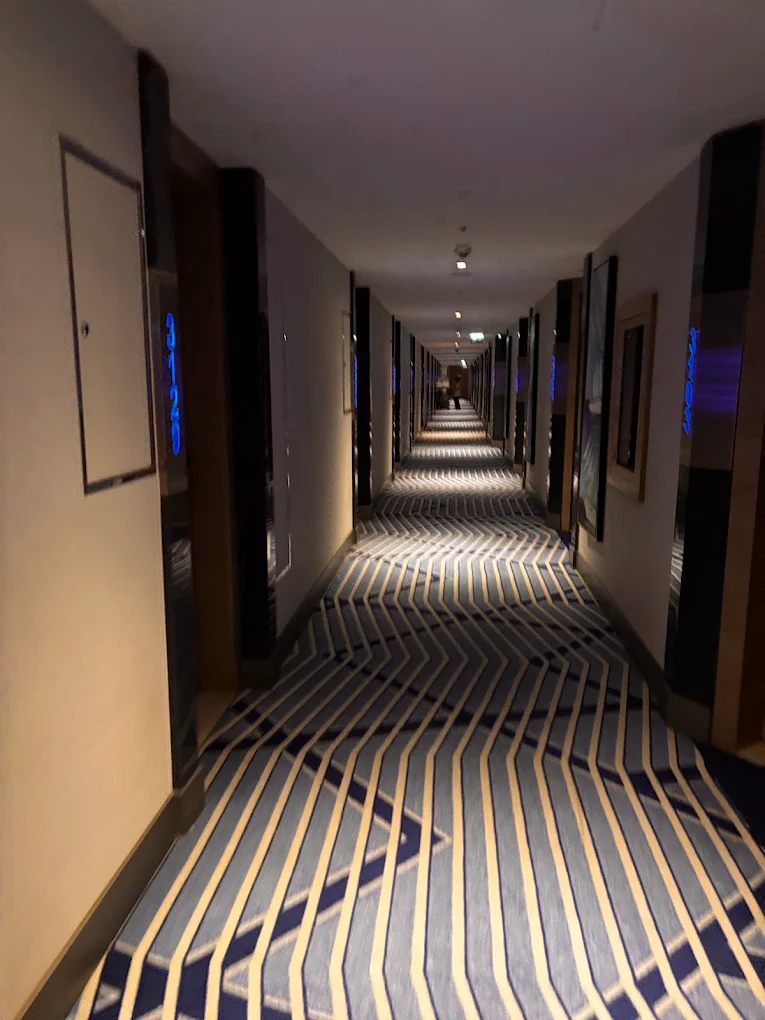
Butik Otel Mobilyaları
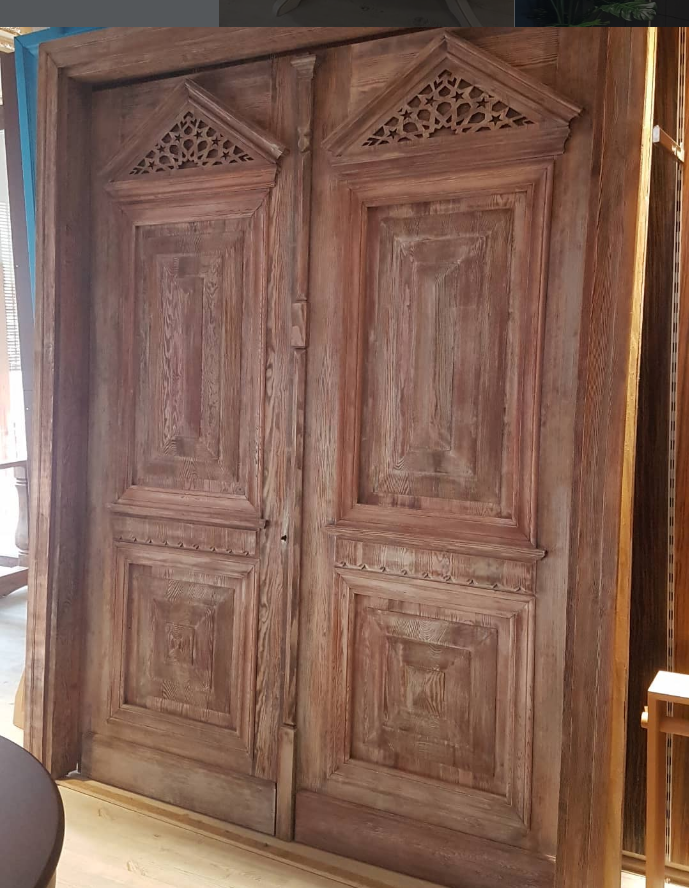
Butik Otel Mobilyaları
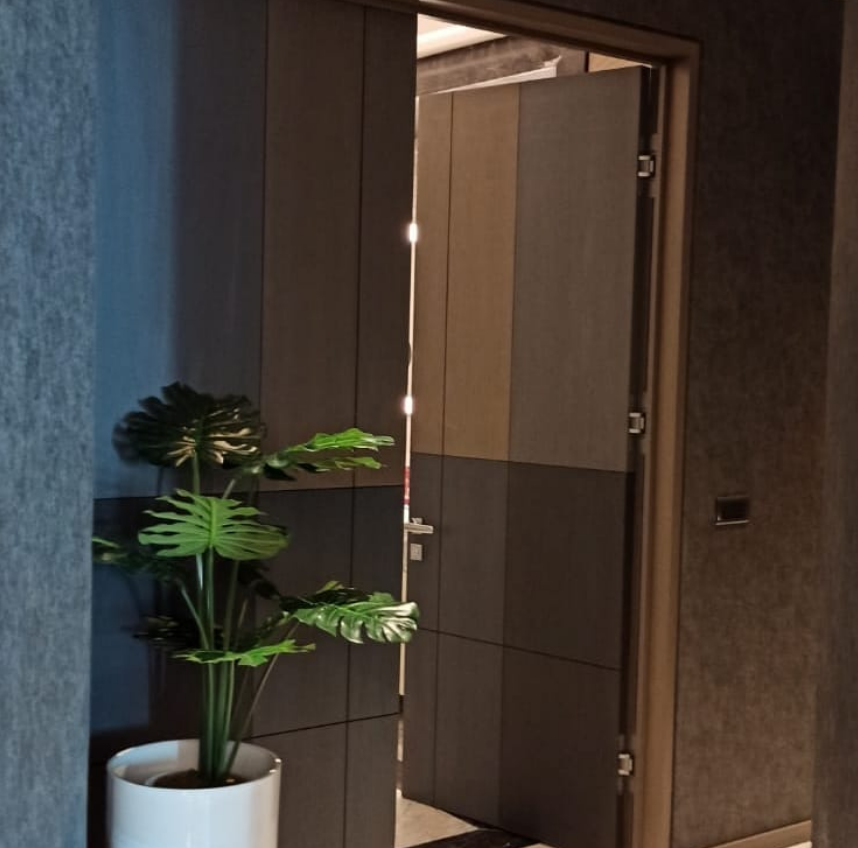
Butik Otel Mobilyaları
Tarihi Binaların Ahşap Dekorasyonları
Tarihi Ahşap restorasyonlari Kapılar
Tarihi binaların mobilya dekorasyonları



Şunları da sevebilirsiniz
Lacquered Room Doors Production Turkey
Solid Wood Door Turkey