
Hotel Doors Turkey
Hotel Doors Turkey: The Definitive Technical Engineering, Acoustic, and Fire-Rating Sourcing Guide for Global Hospitality Developments
In the architecture and engineering of a commercial hotel property, the guestroom entry assembly is not a simple interior finish. It is a highly complex, multi-functional safety mechanism, an acoustic barrier, and the physical manifestation of a brand’s luxury tier. Within the international architectural procurement and FF&E (Furniture, Fixtures, and Equipment) sectors, specifying Hotel Doors Turkey has transitioned from an emerging sourcing alternative into a dominant global industry standard. Sourcing these specialized architectural millwork assemblies from Turkey allows global hoteliers, developers, acoustic consultants, and project managers to access world-class fire safety compliance, advanced laboratory-tested sound insulation, and high-end aesthetic customization at an optimized cost-to-performance ratio.
As international building codes (such as EN, BS, and UL standards) become increasingly strict, executing a compliant, durable, and cohesive door installation program requires comprehensive technical understanding. This in-depth guide delivers the engineering calculations, material cross-sections, testing compliance matrices, and procurement frameworks required to successfully specify, manufacture, and import high-performance contract-grade door assemblies from Turkey.
1. The Strategic Structural Imperative of Sourcing Hotel Doors from Turkey
Commercial hospitality doors operate under structural demands that would destroy standard residential doors within weeks. Over a typical hotel operational cycle, a guestroom door must withstand high-frequency mechanical impacts from baggage carts, continuous operational cycles, significant humidity differentials between the air-conditioned guestroom corridor and the bathroom-adjacent interior, and the constant friction of high-torque door closers. Sourcing Hotel Doors Turkey offers specific industrial advantages engineered to meet these precise challenges.
Total Vertical Integration of the Specialized Architectural Millwork Sector
Turkey’s architectural door manufacturing sector is built upon deeply integrated industrial ecosystems. Rather than operating as simple assembly shops that rely on imported cores and components, Turkish contract door manufacturers control their supply chains from raw material input to the final finish coat.
- Proximity to Resource Networks: Turkey possesses vast domestic resources of high-performance timber (such as hornbeam, beech, and oak), which are structurally critical for solid sub-frames. Advanced domestic chemical industries supply specialized intumescent resins, non-toxic flame-retardant binders, and high-durability commercial lacquers.
- Consolidated Industrial Infrastructure: Leading Turkish door manufacturers house multi-axis automated CNC sizing centers, heavy hydraulic cold presses, vacuum veneer lines, computerized kiln drying stations, and automated testing rigs under a single manufacturing perimeter. This vertical consolidation prevents production bottlenecks, eliminates multi-tier supplier markups, and maintains absolute trace-ability across production batches.
Accelerated Lead Times and Global Logistics Footprint
For large-scale hospitality developments, door delivery is a critical milestone on the critical path of the project schedule. If the door frames are not installed on time, wall finishings, corridor carpeting, and electronic lock integration are instantly blocked, causing compounding delays in the overall completion schedule.
- Geographic Logistics Optimization: Turkey’s physical position at the intersection of major global trade lanes allows for highly flexible shipping.
- Rapid Intermodal Delivery: Trucking networks transport complete door and frame assemblies directly from Turkish industrial zones to mainland European job sites within 5 to 10 days. Maritime freight via major ports like Ambarlı (İstanbul), İzmir, and Mersin connects to North African, Middle Eastern, and North American ports within 14 to 26 days. This provides a major time-to-market advantage over East Asian suppliers, who frequently face 45-to-60-day ocean freight shipping delays and unpredictable port congestion.
- The Customs Union Advantage: The long-standing Customs Union agreement between Turkey and the European Union eliminates import tariffs on industrial and manufactured goods. This significantly reduces customs paperwork, prevents border delays, and lowers landed costs for European developers.
2. Key Manufacturing Zones for Contract Architectural Doors in Turkey
To optimize procurement efficiency when sourcing Hotel Doors Turkey, project management teams must target their specific engineering and volume requirements to the appropriate regional industrial clusters.
+---------------------------------------------------------------------------------+

|                  TURKISH ARCHITECTURAL DOOR INDUSTRIAL CLUSTERS                 |
+---------------------------------------------------------------------------------+

| İSTANBUL        --> Premium Bespoke Custom Luxury, Acoustic Engineering, Metals  |
| BURSA (İNEGÖL)  --> Mass-Production Modular Lines, Rapid Automated Volume SKUs  |
| ANKARA (SİTELER)--> Fine Wood Veneers, Artisanal Carvings, High-End Solid Edges |
| KAYSERİ         --> High-Volume Standardized Core Pressing, Economy Scale Units |
+---------------------------------------------------------------------------------+
İstanbul: The Center for High-End Acoustic and Fire Engineering
İstanbul is home to advanced architectural millwork engineering firms and high-tech factories that specialize in turning complex architectural submittals into compliant products.
- Primary Capabilities: Manufacturing high-decibel acoustic door assemblies (\(38\text{ dB}\) to \(45\text{ dB}\)), heavy fire-rated assemblies (60 to 120-minute EN/UL certified doors), integrated metal-clad security doors, and high-concept designer entryways for five-star luxury brands.
- Engineering Infrastructure: İstanbul manufacturers maintain large internal R&D and engineering departments that translate complex architectural specifications and hardware matrices into millimeter-precise production drawings using advanced CAD/CAM and BIM software.
Bursa (İnegöl): Industrialized Mass-Production and Modular Output
İnegöl is an industrial manufacturing cluster optimized for rapid production cycles, automated consistency, and massive volume processing.
- Primary Capabilities: Processing high-volume standardized room layouts using automated multi-axis double-end tenoners, computer-controlled edge-banding lines, and automated packaging systems.
- Technology Profile: Optimized for high-volume 3-star and 4-star business hotel rollouts, select-service properties, and student housing developments where rapid delivery and precise price-point optimization are required.
Ankara (Siteler): Classic Craftsmanship and Natural Veneers
Siteler represents the historic center of Turkish woodworking artistry.
- Primary Capabilities: Processing premium natural wood veneers, executing book-matched grain configurations, integrating solid wood inlays, and fabricating custom neo-classical or traditional panel doors.
- Project Profile: Perfectly suited for historic luxury hotel restorations, luxury boutique properties, and premium executive suites that require custom hand-finished solid timber detailing.
Kayseri: High-Capacity Core Component Pressing
Kayseri contains massive automated industrial plants designed for manufacturing standardized sheet goods and basic door blanks at scale.
- Primary Capabilities: Continuous pressing of commercial-grade composite cores, high-volume production of melamine and laminate-faced interior doors, and bulk fabrication of economy-scale hospitality doors.
- Project Profile: Optimized for budget hotel chains, extended-stay properties, and large-scale residential compound developments requiring uniform technical performance at competitive pricing.
3. Core Material Science and Internal Structural Engineering
The true performance of a hospitality door entry assembly is determined by its hidden internal core. A guestroom entry door cannot be hollow; it must act as a dense solid barrier to satisfy strict acoustic insulation and fire containment regulations. Leading suppliers of Hotel Doors Turkey engineer internal door blanks using highly specialized multi-layered core matrices.
+---------------------------------------------------------------------------------------+

|                    TECHNICAL CORE DESIGN COMPARISON MATRIX                            |
+---------------------------------------------------------------------------------------+

| Core Material Type     | Density (kg/m³) | Fire Rating (EN) | Acoustic Insulation (Rw)|
+------------------------+-----------------+------------------+-------------------------+

| Multi-Layer Solid Flax | 420 - 480       | EI30 / EI45      | 32 dB - 36 dB           |
| Perforated/Tubular Chip | 320 - 380       | Non-Rated / EI15 | 28 dB - 30 dB           |
| High-Density Mineral   | 650 - 850       | EI60 / EI90 / UL | 38 dB - 42 dB           |
| Multi-Ply Acoustic Sandwich 550 - 700    | EI30 / EI60      | 42 dB - 47 dB (Premium) |
+------------------------+-----------------+------------------+-------------------------+
High-Density Solid Flaxboard and Particle Cores
For standard 30-minute fire-rated and acoustically insulated guestroom entryways, Turkish manufacturers utilize premium solid flaxboard cores sourced from certified producers.
- Material Composition: Flaxboard cores provide uniform density and excellent dimensional stability due to the multi-directional orientation of the natural flax fibers.
- Mechanical Properties: This structural core eliminates warping and internal stress, ensuring that the door leaf remains flat even when exposed to significant temperature variations between the air-conditioned corridor and the guestroom interior.
Specialized High-Density Mineral Fiber Boards
When a hotel project requires a fire rating of 60 minutes or higher (EI60 / EI90 / UL 60), the core material must transition to an advanced, non-combustible material matrix.
- Material Composition: Manufacturers of Hotel Doors Turkey utilize proprietary high-density mineral boards composed of processed calcium silicate, bonded minerals, and specialized vermiculite blends.
- Performance Mechanism: These mineral cores do not burn or conduct heat, maintaining structural stability and limiting heat transfer to the unexposed side of the door leaf during full-scale fire testing.
Structural Perimeter Sub-Framing Protocols
The outer perimeter of the internal core must be reinforced to provide rock-solid anchoring points for heavy-duty commercial hinges, high-torque door closers, and heavy mortise locksets.
- Hardwood Species Selection: Turkish factories utilize multi-layered, kiln-dried European Hornbeam (Carpinus betulus) or European Beech (Fagus sylvatica) for the internal perimeter stiles and rails. Hornbeam features an average density exceeding \(750\text{ kg/m}^3\), providing superior screw-holding capacity and preventing hinge sagging over long-term commercial operation.
- Moisture Equilibrium: All structural wood elements are dried in computer-controlled vacuum kilns to a precise moisture level between 8% and 10%. This prevents subsequent internal movement, splitting, or core telegraphing through the exterior faces.
4. Acoustic Engineering and Sound Insulation Mechanics
Acoustic privacy is one of the most critical factors influencing guest satisfaction scores. A guest should not hear conversations from the public corridor, mechanical noises from elevators, or door-slamming sounds from adjacent rooms. Sourcing high-performance Hotel Doors Turkey ensures access to advanced, laboratory-certified acoustic engineering solutions.
+-----------------------------------------------------------------------------+

|               CROSS-SECTION ARCHITECTURE OF A 42 dB ACOUSTIC DOOR            |
+-----------------------------------------------------------------------------+

| [Layer 1] Natural Wood Veneer or High-Pressure Laminate (HPL) Exterior Face |
| [Layer 2] 4mm High-Density Moisture-Resistant MDF Skin Panel               |
| [Layer 3] 2mm Heavy Acoustic Mass-Loaded Vinyl (MLV) Isolation Layer        |
| [Layer 4] 40mm Multi-Layer Solid Flaxboard Core Matrix                       |
| [Layer 5] 2mm Heavy Acoustic Mass-Loaded Vinyl (MLV) Isolation Layer        |
| [Layer 6] 4mm High-Density Moisture-Resistant MDF Skin Panel               |
| [Layer 7] Natural Wood Veneer or High-Pressure Laminate (HPL) Exterior Face |
+-----------------------------------------------------------------------------+
Acoustic Isolation Principles and Mass Layering
To effectively block a wide spectrum of sound frequencies (including deep bass sounds from corridor foot traffic and high-pitched human voices), Turkish engineers design doors using the “Mass-Air-Mass” acoustic principle.
- Mass Integration: High-density composite skins are paired with specialized acoustic interlayer membranes, such as mass-loaded vinyl (MLV) or heavy acoustic rubber sheets. These dense acoustic membranes dampen structural vibrations and absorb sound waves as they travel through the door assembly.
- Laboratory Certification: Premium door systems are tested and certified by recognized European testing bodies (such as acoustic laboratories in Germany, Italy, and Turkey) to verify true Sound Reduction Indexes (\(R_{w}\)) ranging from \(32\text{ dB}\) for standard properties to over \(44\text{ dB}\) for ultra-luxury developments.
Perimeter Gasket Dynamics and Drop-Down Seal Integration
An acoustically engineered door leaf will fail completely if sound waves can leak through gaps around the perimeter frame or underneath the bottom edge. Turkish manufacturers engineer a complete, continuous sealing system:
- Multi-Fin Silicone Perimeter Gaskets: Frame rebates feature specialized channels fitted with durable, high-elasticity silicone or EPDM acoustic gaskets. These multi-fin profiles compress gently against the door leaf, blocking airborne sound paths around the jambs and header.
- Heavy-Duty Automatic Drop-Down Acoustic Seals: Concealed within a CNC-routed channel in the bottom rail of the door leaf is a spring-loaded automatic mechanical drop seal. When the door closes, a plunger contacts the frame jamb, mechanically lowering a high-density neoprene or silicone profile down onto the floor threshold. This mechanism seals the bottom gap without causing friction wear on the flooring during operation.
5. Fire Safety Engineering and Rigorous Certification Frameworks
A hotel guestroom entry door is a vital fire containment barrier. In the event of a corridor or room fire, the door assembly must contain flames, lethal smoke, and intense heat within the room of origin for a specified duration, allowing guests to evacuate safely. Manufacturers of Hotel Furniture Turkey build architectural doors to pass strict international fire safety standards.
European Standard Compliance (EN 1634-1 / EN 13501-2)
The majority of international hospitality projects specify fire safety according to the EN classification system:
- EI30 and EI60 Classifications: The “E” rating signifies Integrity—the door’s ability to resist the passage of direct flames and hot gases. The “I” rating represents Insulation—the door’s ability to restrict temperature increases on the unexposed safe side. Sourcing Hotel Doors Turkey gives developers access to fully certified EI30 (30-minute) and EI60 (60-minute) assemblies that have passed testing in commercial vertical furnaces.
British Standard Compliance (BS 476 Part 22)
For projects located in the United Kingdom, Middle East, and parts of Asia, compliance with British Standards is a mandatory procurement requirement.
- FD30 and FD60 Designations: Turkish factories maintain certified product lines that satisfy FD30 and FD60 fire integrity criteria, verified by recognized third-party auditing bodies such as Exova Warringtonfire (Certifire scheme).
North American Standard Compliance (UL 10C)
For American and international hotel brands following US building codes, doors must pass the positive pressure fire test standard.
- Hose-Stream Testing: UL certification requires the door assembly to withstand a fire endurance test, followed immediately by physical exposure to a high-pressure water hose stream. Premium Turkish door exporters utilize specialized mineral cores and heavy-duty steel reinforcement brackets to pass these intensive testing programs.
The Mechanics of Intumescent Sealing Systems
To prevent the passage of super-heated smoke and lethal gases through perimeter gaps, Turkish manufacturers route hidden intumescent graphite strips directly into the door leaf edges or the interior frame rebates.
- Expansion Dynamics: When temperatures rise above \(150^{\circ }\text{C}\), these specialized chemical strips expand up to 25 times their original volume. This rapid expansion creates a dense, non-combustible carbon foam layer that completely seals all perimeter clearances between the leaf and frame, containing smoke and fire within the space.
6. Architectural Frame Construction and Finish Engineering
The structural frame (lining or casing) must support the heavy weight of an acoustic, fire-rated door leaf over its entire operating life without shifting or cracking adjacent drywall surfaces. Sourcing Hotel Doors Turkey allows developers to choose between multiple robust frame engineering configurations.
Solid Hardwood and Moisture-Resistant Engineered Wood Frames
- Material Configuration: For standard configurations, frames are fabricated using multi-ply engineered wood blocks composed of cross-laminated layers of kiln-dried European Beech or premium MR MDF. This multi-ply design balances internal structural forces, preventing the frame from twisting or bowing over time.
- Architrave Adjustment System: Telescopic or adjustable architraves are engineered into the frame linings. This design allows the casing to adapt to minor wall thickness variations on-site, hiding irregularities and creating a clean, seamless finish without requiring extensive manual trimming.
Heavy-Duty Galvanized and Stainless Steel Frames
For modern high-traffic properties, high-density public areas, or service corridors, wood frames are often replaced with durable metal casings.
- Material Construction: Turkish metallurgy lines produce wrap-around steel frames utilizing 1.5mm to 2.0mm thick hot-dip galvanized steel or Grade 304 stainless steel.
- Finishing Treatment: Steel frames are finished with high-durability thermosetting polyester powder coatings baked at \(200^{\circ }\text{C}\), providing exceptional resistance to impact, scratches, and cleaning chemicals.
Advanced Surface Finish Technologies
The exterior surface of Hotel Doors Turkey acts as the primary barrier against physical wear and chemical damage. Finishes must be formulated to resist heavy impacts, coffee stains, fingerprint oils, and frequent cleaning.
- Natural and Book-Matched Wood Veneers: Premium guestroom entries use high-grade natural wood veneers (such as American Walnut, European Oak, or Figured Eucalyptus). Turkish artisans utilize advanced slicing and stitching machines to create beautiful book-matched or slip-matched grain patterns, which are protected by multi-stage, non-yellowing polyurethane or acrylic lacquers.
- High-Pressure Laminates (HPL): For economy, extended-stay, or corporate business hotels, natural wood veneers are often replaced with high-durability decorative laminates (matching brands like Formica, Abet Laminati, or Egger). HPL sheets provide exceptional resistance to scratches, dents, and impacts, making them highly effective for busy commercial corridors.
7. Comprehensive Commercial Hardware Integration and Precision CNC Routing
A high-performance hospitality door cannot function properly without advanced commercial hardware components. Turkish door manufacturers collaborate closely with global architectural hardware brands to ensure smooth system integration.
+-------------------------------------------------------------------+

|               GUESTROOM ENTRY DOOR HARDWARE CHECKLIST             |
+-------------------------------------------------------------------+

| [ ] Electronic Card / RFID Mortise Lockset (Integrated Wire Way)   |
| [ ] Heavy-Duty Three-Way Adjustable Concealed Stainless Steel Hinges|
| [ ] Concealed Overhead High-Torque Hydraulic Door Closer System    |
| [ ] Hidden Automatic Mechanical Drop-Down Bottom Acoustic Seal    |
| [ ] Wide-Angle 180-Degree Optical Door Viewer (Eye-Spied)         |
| [ ] Recessed Heavy-Duty Flush Pull / Pull Bar Handles            |
+-------------------------------------------------------------------+
Factory CNC Prep and Mortising
To avoid costly mistakes and delays from manual cutting on the construction site, leading Turkish manufacturers use multi-axis CNC machines to cut all hardware mortises directly on the factory floor.
- Digital Calibration: Software links the door manufacturing files directly with the technical templates supplied by major electronic lock manufacturers (such as Assa Abloy, VingCard, Salto, and Dormakaba).
- Precision Cuts: Every recess for the mortise lock body, wiring paths, electronic wire transfer hinges, door closers, and flush hinges is routed to sub-millimeter tolerances before surface finishes are applied. This precise factory prep simplifies on-site installation and ensures reliable lock operation.
Advanced Concealed Hinge Systems
Modern luxury hotel design emphasizes clean lines and minimalist aesthetics, leading developers to replace traditional butt hinges with hidden hinge systems.
- Mechanical Adjustability: Manufacturers of Hotel Doors Turkey routinely integrate high-end, three-way adjustable concealed hinges (sourcing from premium brands like Tectus or Kubica). These heavy hinges support door weights exceeding \(120\text{ kg}\) and allow for quick manual adjustments across three axes (horizontal, vertical, and depth) to maintain perfect perimeter clearances over time.
8. The Procurement and Project Management Workflow: Sourcing Doors from Turkey
Sourcing technically complex, certified Hotel Doors Turkey installations requires strict adherence to a professional procurement protocol to ensure design accuracy, regulatory compliance, and budget optimization.
+----------------------------------------------------------------------------------------+

|                            ARCHITECTURAL DOOR PROCUREMENT TIMELINE                     |
+----------------------------------------------------------------------------------------+

| Phase 1: Review of Architectural Submittals, Fire/Acoustic Schedules & Door Matrices  |
|    |                                                                                   |
|    v                                                                                   |
| Phase 2: Millimeter-Accurate Shop Drawings, Joint Details & Hardware Mapping           |
|    |                                                                                   |
|    v                                                                                   |
| Phase 3: Sourcing Laboratory Certifications, Material Approvals & Finish Submittals    |
|    |                                                                                   |
|    v                                                                                   |
| Phase 4: Full-Scale Factory Mass Production & Scheduled Quality Assurance (QA) Audits  |
|    |                                                                                   |
|    v                                                                                   |
| Phase 5: Heavy-Duty Industrial Packaging, Structural Edge Guarding & Export Crating    |
|    |                                                                                   |
|    v                                                                                   |
| Phase 6: Customs Clearance, Intermodal Shipping Logistics & Site Installation Support   |
+----------------------------------------------------------------------------------------+
Phase 1: Door Matrix Review and Technical Reconciliation
The procurement process begins with submitting the project’s architectural door schedules, hardware matrices, and acoustic/fire rating blueprints to the Turkish manufacturer.
- Engineering Alignment: The factory’s technical team matches the architectural specifications against their verified test certificates to ensure compliance with the required fire and sound ratings.
- Value Engineering (VE): Sourcing specialists recommend material optimizations to help balance the project budget. For instance, they might swap out an expensive, exotic solid wood core for an equally durable, locally sourced hornbeam frame surrounding a high-performance flaxboard core. This preserves the required aesthetic and technical ratings while significantly reducing production costs.
Phase 2: Production Shop Drawings and Material Boards
Before cutting raw materials, the manufacturer generates detailed production shop drawings.
- Technical Detail: These drawings clearly label internal joint structures, hinge reinforcements, anchor points, lock block configurations, and exact clearance gaps.
- Finish Submittals: The factory compiles comprehensive sample boxes containing physical finish swatches (wood veneers with varied gloss levels, high-pressure laminates, and powder-coated metal samples) along with fire and acoustic test certificates for formal sign-off from the hotel owner and lead architect.
Phase 3: The Full-Scale Prototype Assembly (Golden Sample Protocol)
For mid- to large-scale hotel projects, producing a complete prototype room assembly is a standard, essential risk-mitigation step.
- Execution: The factory builds an exact replica of the door leaf, frame lining, architraves, and hardware mortises.
- Inspection: The developer, project manager, and lead architect inspect the prototype assembly either at the factory showroom in Turkey or shipped directly to the hotel construction site. This hands-on phase provides an opportunity to verify build tolerances, test electronic lock integration, check gasket compression, and evaluate packaging strength before committing to full mass production.
Phase 4: Mass Production and Quality Control Audits
Once the prototype receives formal approval, full-scale mass production begins. Professional procurement teams often work with third-party testing and inspection firms (such as SGS, Intertek, or Bureau Veritas) to run regular quality audits throughout production:
- In-Line Material Audits: Checks core density consistency, verifies that timber lots are kiln-dried to proper moisture levels, and monitors CNC routing accuracy.
- Structural Assembly Checks: Inspects internal stile-and-rail assembly joints, lock block bonding, and the placement of intumescent strips before applying surface veneers or laminates.
- Final Pre-Shipment Audits: Evaluates finish thickness and uniformity, gasket fit, hinge alignment, and overall dimensions against the approved shop drawings.
Phase 5: Heavy-Duty Industrial Packaging and Export Crating
Architectural door assemblies are heavy and vulnerable to physical scratching and moisture during transit. High-performing suppliers of Hotel Doors Turkey employ robust packaging systems:
- Edge and Corner Buffers: High-density polyethylene (HDPE) foam profiles wrap all vulnerable edges and corners to absorb impacts during transit.
- Surface Interlining: Delicate lacquered or polished surfaces are covered with non-abrasive scratch-resistant foam sheets to prevent friction damage.
- Corrugated Boxing: Double- or triple-wall corrugated cardboard cartons are sealed tightly against humidity.
- Heavy-Duty Crating: Door leaves and frame linings are packed horizontally onto heavy, custom-built, ISPM-15 certified heat-treated wooden pallets and crated securely to protect them during intermodal shipping and mechanical offloading at the job site.
9. Contract Management, Payment Structures, and Risk Mitigation
International contract procurement requires clear legal frameworks and structured financial milestones to safeguard investments and ensure on-time project delivery.
Payment Milestone Structures
Sourcing contract doors and frames from Turkey typically follows an incremental, milestone-based payment model:
- 30% to 40% Advance Payment: Initiates shop drawing production, engineering work, and raw material allocation (such as purchasing lumber lots or scheduling specialized core pressing runs).
- 40% to 50% Progress Payments: Paid in installments tied to verifiable production stages (e.g., core assembly completion, post-finishing processing).
- 10% Final Balance: Released upon presentation of clean Bills of Lading and a successful third-party pre-shipment quality inspection at the factory.
Legal Protections and Delivery Terms
- Incoterms Alignment: Contracts must clearly define shipping terms. FOB (Free on Board) shifts shipping costs and insurance risks to the buyer once the goods pass the ship’s rail at a Turkish port. DDP (Delivered Duty Paid) requires the manufacturer to manage all ocean/land transport, import custom clearances, local duties, and final delivery directly to the hotel job site.
- Liquidated Damages: Contracts should include clauses that apply a pre-agreed financial penalty per day if production deadlines are missed. This protects the developer from costly delays that could impact the hotel’s grand opening.
- Warranty Retentions: Holding back 5% of the total contract value for 6 to 12 months after installation provides a helpful financial buffer to cover any structural issues or minor defects that appear during the hotel’s initial high-traffic operations.
10. Strategic Sourcing Comparison: Turkey vs. Alternative Global Manufacturing Hubs
When deciding where to manufacture hospitality architectural door packages, procurement managers typically compare Turkey against alternative hubs such as China or Western Europe.
| Sourcing Performance Metric | Turkey | China | Western Europe (e.g., Germany/Italy) |
|---|---|---|---|
| Bespoke Custom Flexibility | Exceptional | Moderate (High Volume Focus) | High Engineering Detail |
| Manufacturing Lead Time | 45 – 60 Days | 60 – 90 Days | 90 – 120 Days |
| Logistics Transit to EU/ME | 3 – 14 Days (Very Short) | 35 – 45 Days (Long Ocean Route) | 2 – 5 Days (Immediate) |
| Cost-to-Performance Value | Excellent (High Value) | Very Low (Mass Commodity) | Premium/Luxury Costs |
| Testing & Certification Base | Full EN / BS / UL Compliance | Varies (Regional Standards) | Complete Global Certification |
Turkey vs. China
- Lead Time Reductions: Sourcing from East Asian ports requires long maritime transit windows (typically 35 to 45 days). Turkey’s intermodal shipping alternatives reduce transit times to 3–14 days. This speed helps compress total construction timelines and lowers interest expenses on project financing.
- MOQ Adaptation: Chinese mega-factories are highly optimized for high-volume commodity production and often require high Minimum Order Quantities (MOQs) per individual SKU. Turkish contract suppliers offer greater production flexibility, allowing them to adjust manufacturing lines for custom, low-volume runs for boutique hotels or upscale luxury resort properties without requiring excessive volume commitments.
- Certification Verification: While many East Asian suppliers focus on domestic standards, leading Turkish door manufacturers design their lines from the ground up to comply with European (EN) and British (BS) certification frameworks, ensuring reliable approval from local building inspectors.
Turkey vs. Western Europe
- Production Cost Efficiency: Western European producers remain leaders in engineering innovation, but high labor costs and steep operational overhead result in premium per-unit pricing. Turkey provides comparable multi-axis CNC machinery, identical European-made functional hardware, and European-trained engineering expertise at a significantly lower production cost.
- Industrial Scale: Western European production is often fragmented across multiple smaller factories. Turkey’s large furniture and millwork parks successfully combine specialized attention to detail with large-scale industrial capacity, enabling them to supply massive hotel door rollouts smoothly under one contract.
11. Future-Proofing Architectural Openings: Sustainability and Smart Trends
As international hospitality brands prioritize carbon footprint reduction and integrate smart building technologies, manufacturers of Hotel Doors Turkey are adapting their engineering and material selection to meet these modern demands.
Design for Disassembly (DfD) and Circular Economy
To avoid replacing entire door assemblies when a single component wears out, Turkish factories are engineering doors and frames with smart modular options:
- Replaceable Wear Components: Frames and architraves are designed with easily detachable lower sections, protective metal base trims, and modular casing profiles. This allows maintenance teams to swap out worn or scratched surfaces on-site without discarding the underlying structural framework.
- Refurbishment Readiness: Sourcing heavy, solid-wood internal perimeter frames allows hotels to easily refinish or repaint the pieces during mid-cycle property updates, extending the operational lifespan to 15–20 years.
Smart Access Control and Hidden Finishes
- Hidden Wire Routing: Modern guestroom entries require clean, integrated wiring channels routed through the interior frame lining and door leaf core. Turkish CNC centers drill continuous, clean pathways from the hinge side straight to the mortise lock pocket, keeping all low-voltage power cables for online access control systems completely hidden and protected.
- Biophilic Design Integration: Advanced pressing and engraving lines allow manufacturers to match the natural grain patterns of their doors perfectly with adjacent public area wall paneling systems. This creates a unified, high-end biophilic aesthetic throughout hotel corridors while maintaining full fire and sound safety ratings.
12. Conclusion and Strategic Procurement Summary
Sourcing Hotel Doors Turkey offers hospitality developers, procurement managers, and interior architects a highly effective combination of premium design flexibility, robust technical engineering, global regulatory compliance, and excellent cost efficiency. By matching your project scope to the right manufacturing region, writing clear technical specifications into your contracts, and maintaining structured quality control checks, you can reliably deliver beautiful, long-lasting guestroom and public area entries that perform through years of continuous commercial use.
To maximize your success when sourcing contract door assemblies from Turkey, keep these key practices in mind:
- Align Project Scope with Regional Strengths: Route complex, custom acoustic and fire-rated luxury configurations to the engineering firms in İstanbul, and direct high-volume modular layouts to the automated production lines in İnegöl or Kayseri.
- Insist on Detailed Structural Specifications: Specify high-density core materials (such as solid flaxboard or high-density mineral boards), heavy kiln-dried hornbeam perimeter framing, and factory-routed hardware mortises to ensure long-term durability.
- Use Clear, Milestone-Based Contracts: Protect your investment by structuring contracts around clear production milestones and utilizing independent, third-party quality inspections before releasing final payments.
Leveraging Turkey’s robust, integrated supply chain and contract engineering expertise allows you to transform ambitious architectural concepts into durable, high-performing, and commercially successful hospitality spaces.
Butik Otel Mobilyaları
Butik Otel Mobilyaları
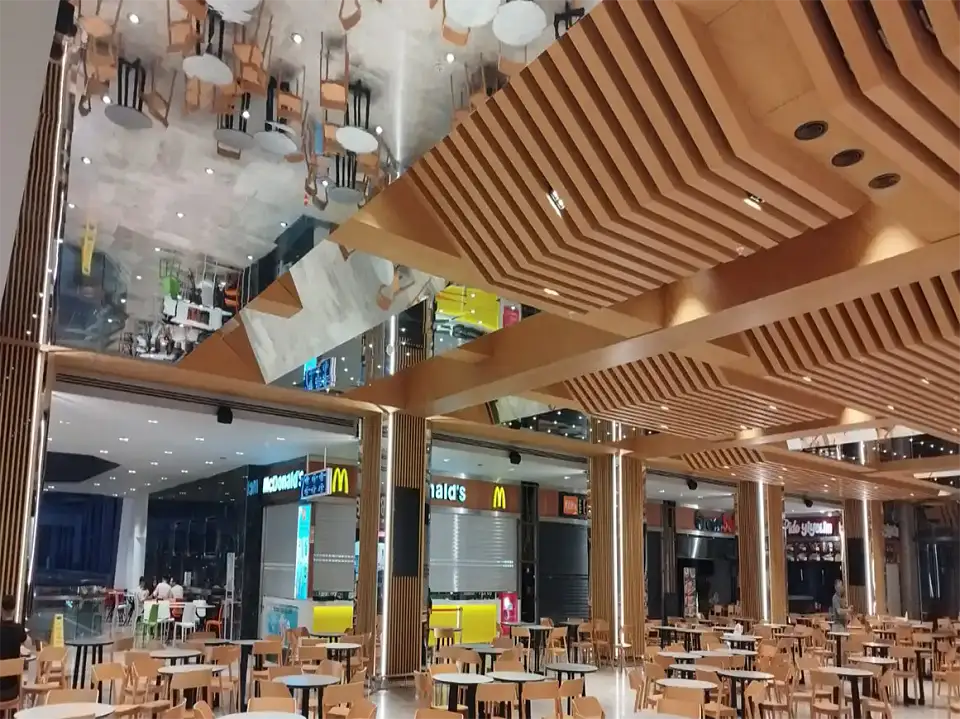
Butik Otel Mobilyaları
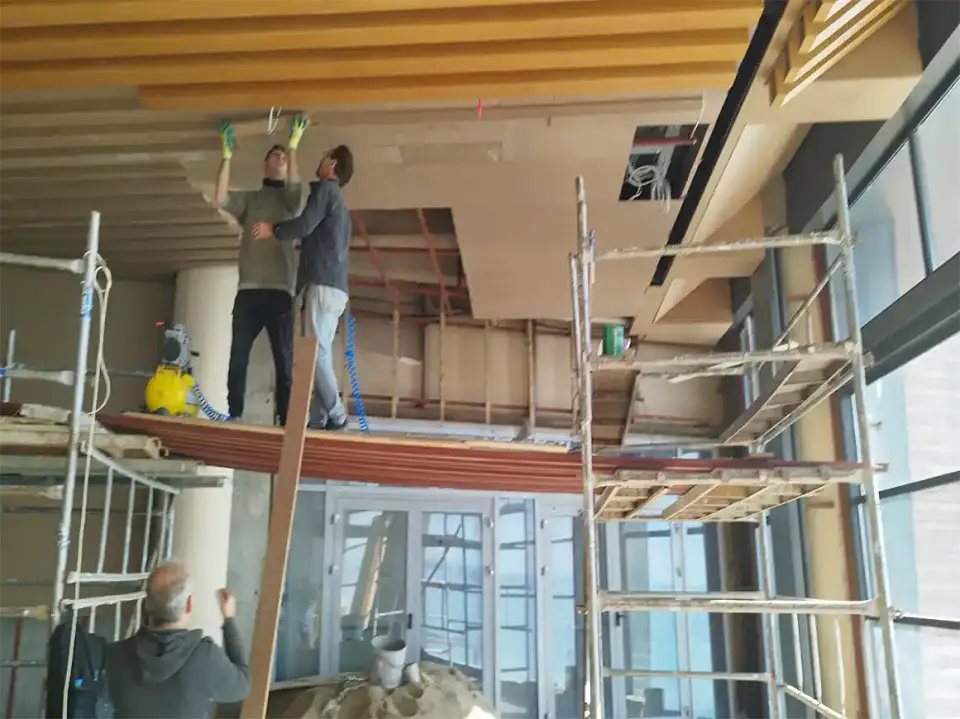
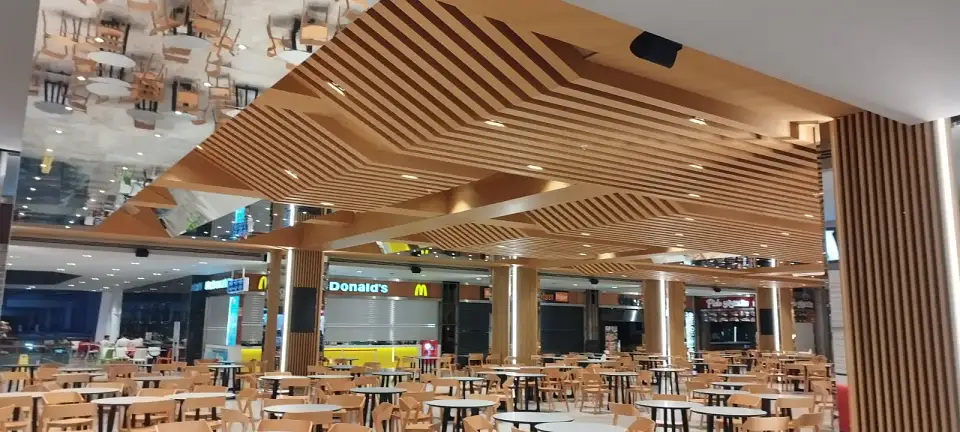
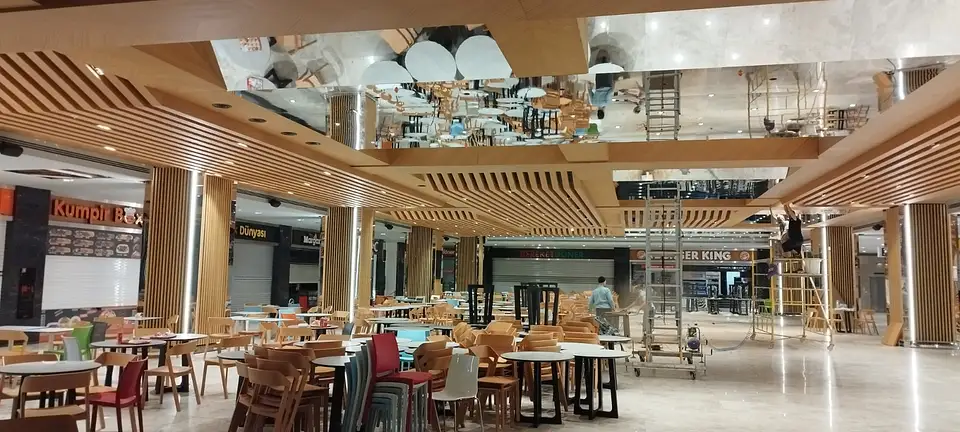
Tarihi Binaların Ahşap Dekorasyonları
Tarihi Ahşap restorasyonlari Kapılar
Tarihi binaların mobilya dekorasyonları


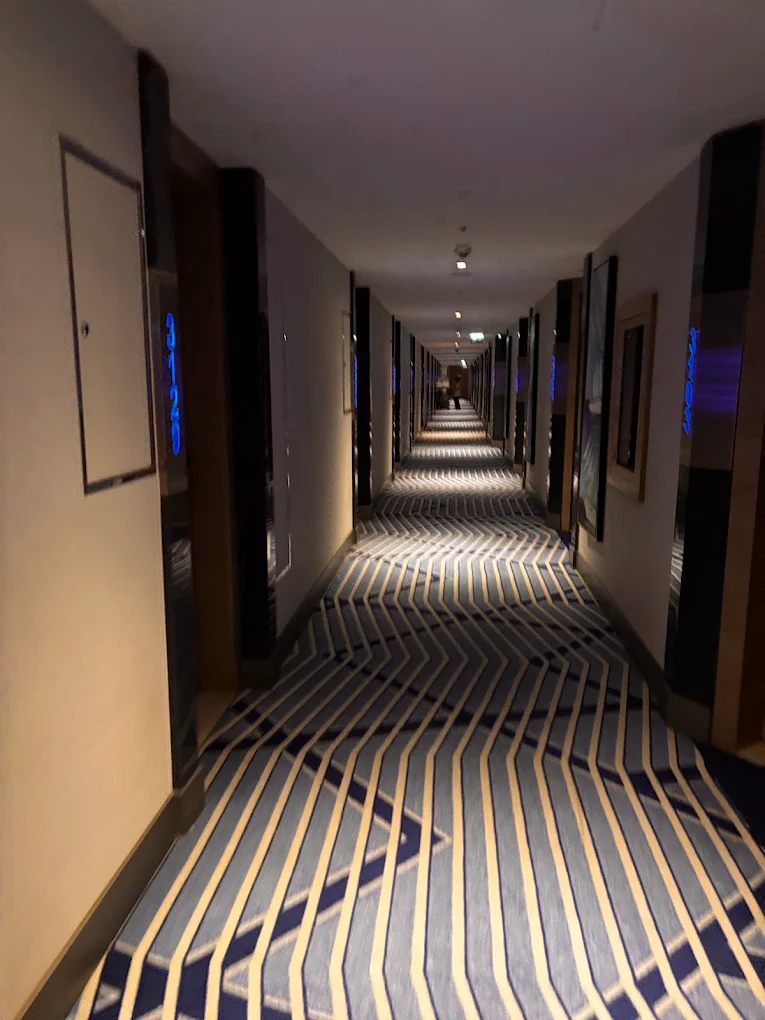
Butik Otel Mobilyaları

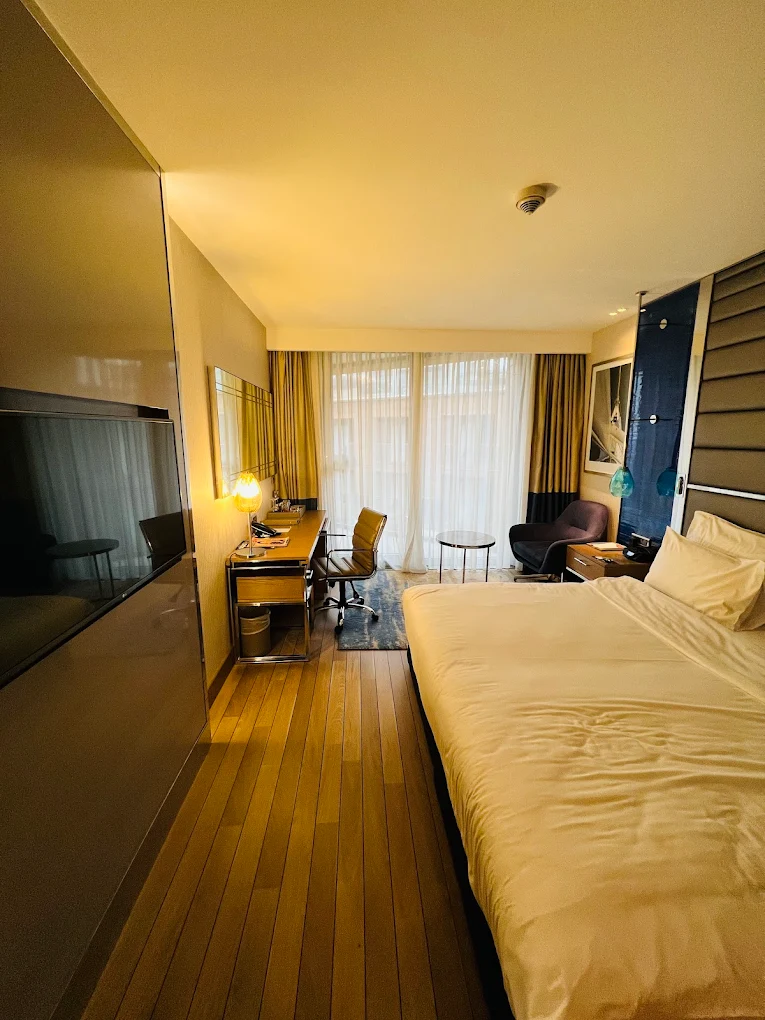
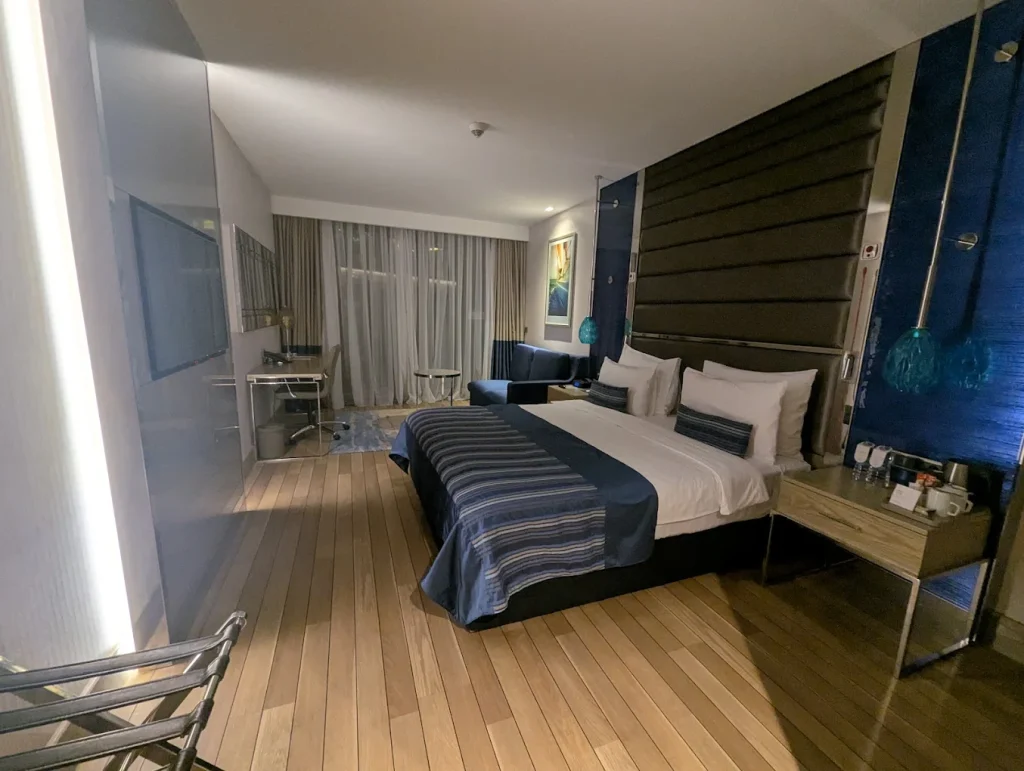
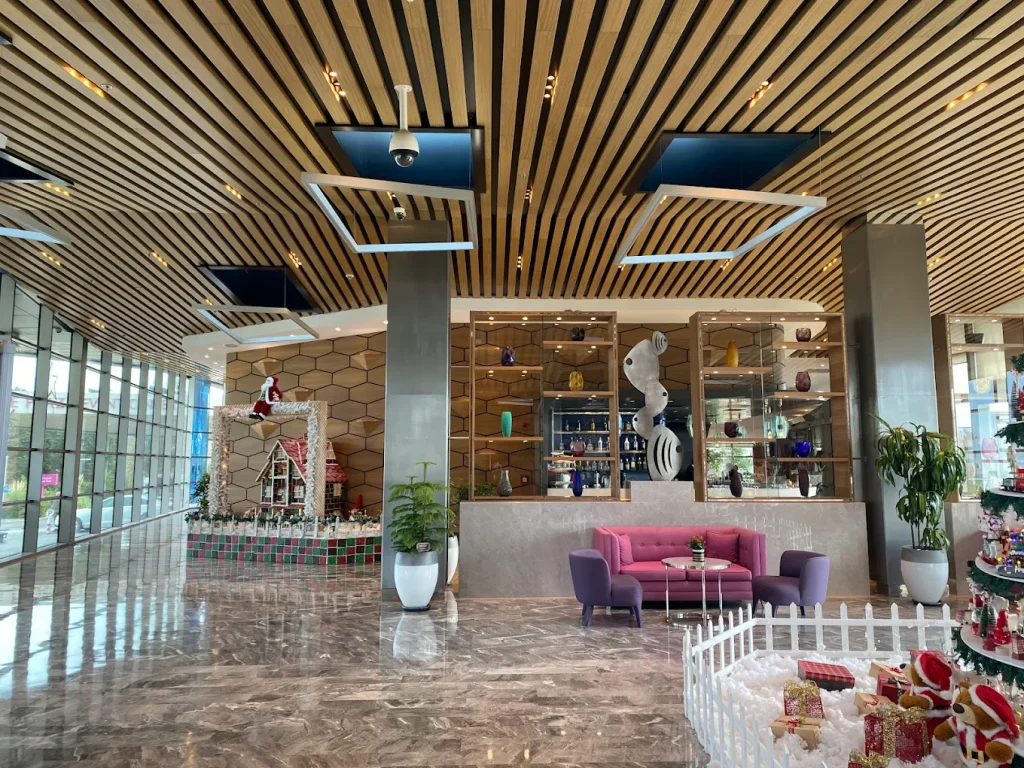
Etiket:5-Star Hotel Furniture Manufacturing Turkey, Hotel Bar Furniture Turkey, Hotel Chairs Turkey, Hotel Coffee Table Models Turkey, Hotel Desk Turkey, Hotel Luggage Rack Cabinets Turkey, Hotel Nightstand Models Turkey, Hotel Restaurant Furniture Turkey, Hotel Suite Furniture Turkey, Hotel Tables Turkey, Hotel Wardrobe Internal Systems Turkey, King Suite Furniture Turkey, Mini Bar Cabinet Turkey, Open Wardrobe Models Turkey, Standard Hotel Room Decoration Turkey, VIP Lobby Furniture Turkey

Şunları da sevebilirsiniz
Lacquered Room Doors Production Turkey
Solid Wood Door Turkey