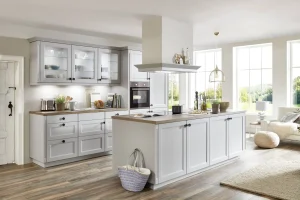
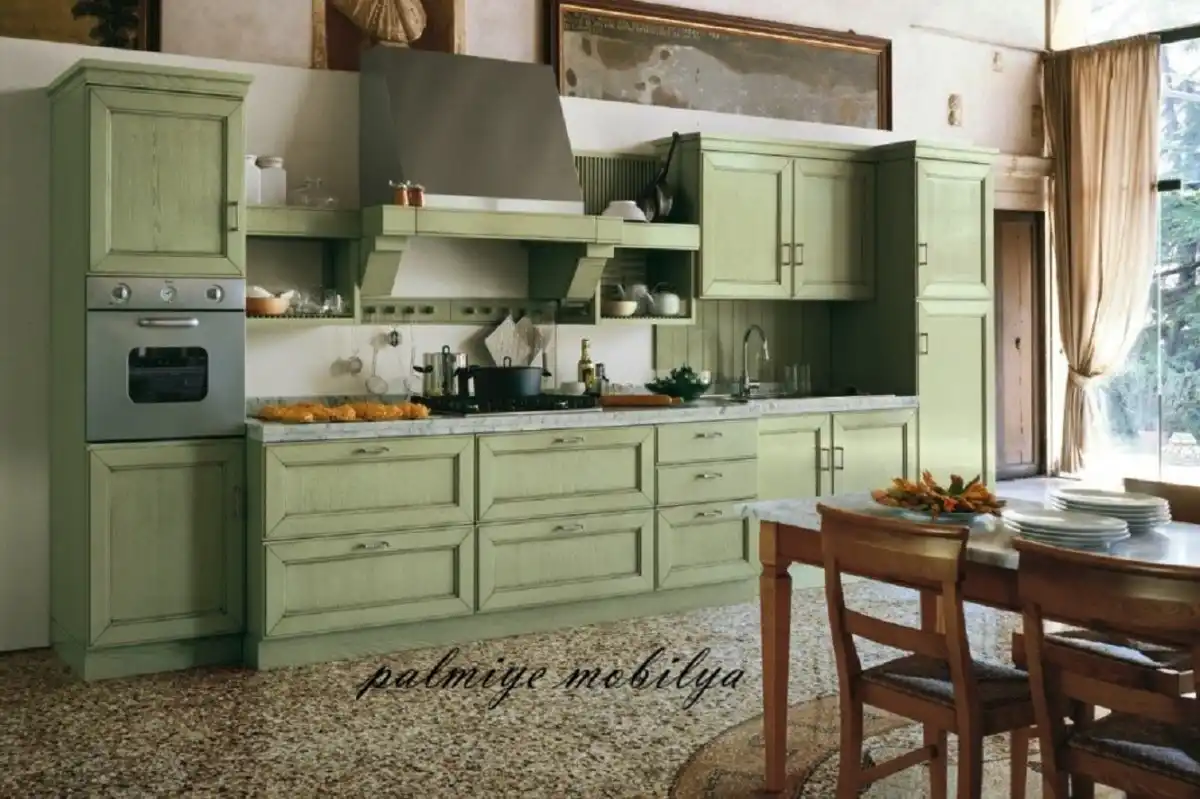
Island Kitchen Cabinet Turkey
Island Kitchen Cabinet Turkey: The Comprehensive Engineering, Material Science, and Procurement Guide for Central Focal Cabinetry Systems
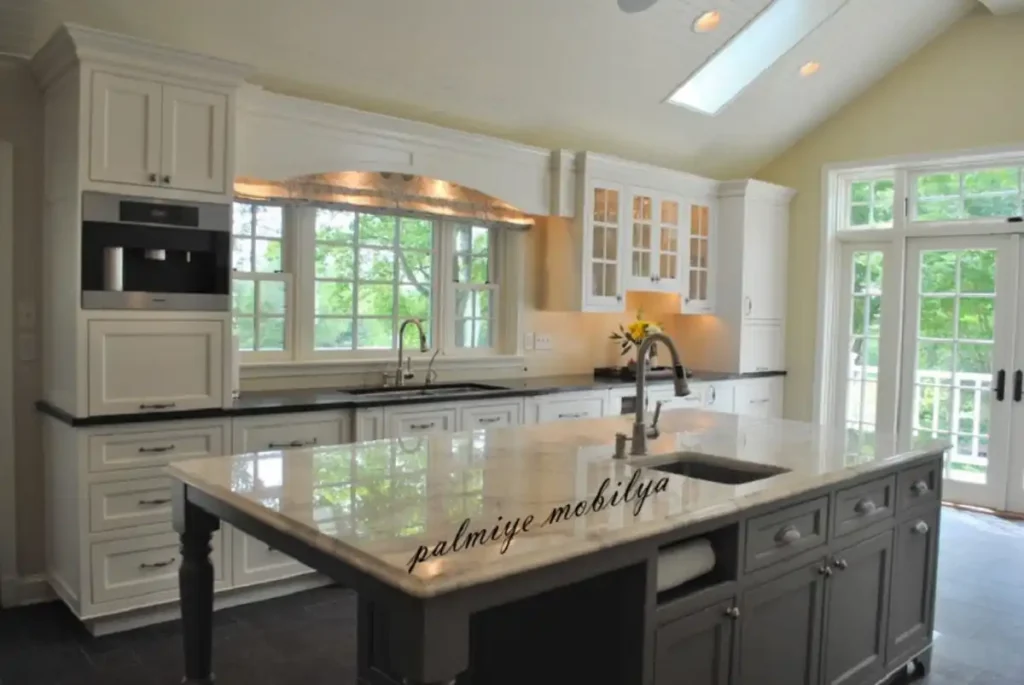
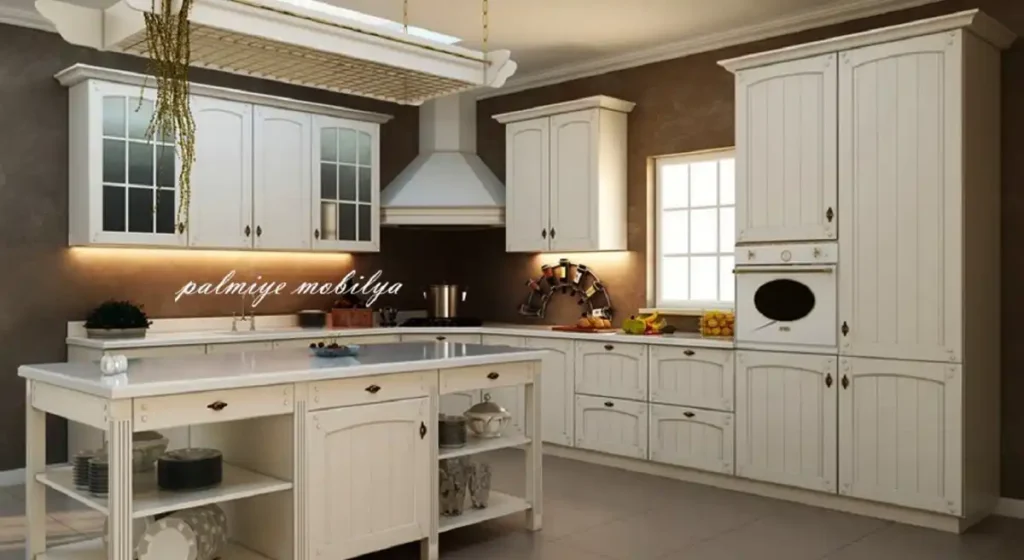
The architecture of the modern home is fundamentally anchored around the kitchen island. No longer a mere auxiliary prep station, the island has transformed into the primary structural, social, and culinary epicenter of the open-plan living environment. It acts as a multi-functional architectural bridge, unifying food preparation, informal dining, remote work, and high-capacity smart storage into a single monolithic volume.
However, engineering a high-performance kitchen island presents a unique set of structural, material, and electrical challenges. Unlike peripheral wall cabinetry that relies on structural walls for anchorage, load distribution, and hidden utility runs, a kitchen island stands completely isolated. It must be engineered as a self-supporting, freestanding architectural unit capable of balancing high dynamic weight loads, structural countertop over-hangs, integrated plumbing and electrical lines, and perfect 360-degree surface finishes.
Turkey has emerged as an elite global industrial powerhouse for this demanding architectural segment. Sourcing an Island Kitchen Cabinet Turkey system allows international real estate developers, interior architects, and volume distributors to unlock a unique supply matrix: world-class automated wood processing hubs, advanced German and Austrian precision kinetic hardware integration, and highly competitive, vertically integrated manufacturing.
This technical guide delivers an in-depth analysis of the material engineering, structural physics, surface finish chemistry, and procurement mechanics behind Island Kitchen Cabinet Turkey solutions.
1. Architectural Typologies: Deconstructing the Modern Kitchen Island
The structural design of a kitchen island dictates the flow, ergonomic efficiency, and spatial dynamics of the surrounding living areas. When planning an Island Kitchen Cabinet Turkey procurement project, specifying the exact functional typology is essential for coordinating internal carcass reinforcement, utility pathways, and countertop cantilever supports.
Culinary Prep Island:  [High-Density Sink/Hob Integration] + [Internal Waste Separation Systems]
Social/Dining Island:  [Extended Countertop Cantilever]   + [Structural Steel Support Framework]
Storage Mega-Island:   [Back-to-Back Deep Drawer Units]     + [Concealed Touch-To-Open Cabinets]
The Primary Functional Island Typologies
1. The Culinary Preparation and Cooking Center
This typology treats the island as a high-intensity workspace. It integrates a primary flush-mounted induction cooktop, an under-mount preparation sink, integrated dishwasher modules, and multi-tier waste segregation drawers. Structurally, these islands require dedicated internal voids to accommodate drainage siphons, gas lines, or heavy-gauge electrical lines feeding high-wattage cooking appliances.
2. The Social, Entertaining, and Cantilevered Dining Island
Designed to blur the line between culinary prep and casual dining. This structure incorporates an extended countertop overhang (cantilever) designed to accommodate bar stools. The primary engineering focus here shifts to balance and structural leverage physics, ensuring the extended stone worktop does not compromise the vertical stability of the underlying timber cabinetry.
3. The Minimalist Architectural Monolith
Favoring clean lines and a sculpture-like aesthetic, this style frequently utilizes true handleless Gola profiles or mechanical push-to-open doors. The island is wrapped continuously on all four sides—including the flank panels—in the exact same high-end finish (such as book-matched natural wood veneer or anti-fingerprint super-matte polymers), creating the visual illusion of a single solid block rising out of the floor.
4. The High-Density Storage Mega-Island
Commonly deployed in expansive luxury estates, this typology maximizes the volumetric footprint by using a back-to-back cabinet box configuration. One side features standard 600mm deep drawer banks for heavy cookware, while the reverse reverse-facing side contains shallow 300mm deep push-to-open cabinets for fine glassware, table linens, or integrated wine refrigeration units.
2. Structural Engineering and Carcass Physics for Freestanding Modules
Because an island stands completely isolated in the center of a room, it lacks the secondary structural stability provided by rear wall anchorage studs. It is subjected to multi-directional kinetic stresses: users leaning against the stone edges, heavy impacts from seated feet against the back panels, and the enormous static dead weight of premium stone countertops (such as 30mm thick solid quartz, granite, or sintered porcelain slabs).
Reinforcing the Carcass Box Architecture
Standard cabinet box construction utilizing thin, stapled back panels is entirely inadequate for freestanding islands. Top-tier Turkish manufacturers re-engineer the carcass box specifically to handle these unique load stresses:
- Thick Structural Back Panels: Instead of utilizing standard 3mm hardboard inserts slid into a groove, an Island Kitchen Cabinet Turkey specification mandates 16mm or 18mm thick solid melamine-faced chipboard (MFC) or moisture-resistant MDF (MR-MDF) back panels screwed directly into the carcass sides. This creates a rigid box structure that resists racking or twisting forces.
- Solid Timber or Steel Top Rails: Traditional wall cabinets utilize thin horizontal timber slats along the top to connect the cabinet sides. Premium island cabinetry replaces these with wide, cross-laminated timber rails or heavy-gauge steel angle brackets running horizontally across the top of the cabinet box to provide a solid, level platform for heavy stone tops.
- High-Load Leveling Leg Matrices: Weight distribution is handled by an expanded grid of heavy-duty, impact-resistant polymer leveling feet. While a standard wall cabinet uses four legs, an island module configuration introduces secondary support legs under the internal center divisions, ensuring the base panel does not sag under heavy weight.
Mechanical Calculations for Countertop Overhangs (Cantilevers)
When designing a dining island with a countertop overhang for seating, the laws of structural leverage must be calculated precisely.
Countertop Thickness: 20mm Sintered Porcelain / 30mm Solid Quartz
Maximum Unsupported Stone Overhang (No Steel Bracing):  300mm Max
Extended Luxury Overhang (With Internal Steel Supports): 400mm – 600mm
========================================================================
Engineering Rule: At Least 2/3 of Total Countertop Mass Must Rest over the Cabinet Base
If the dining overhang exceeds 300mm, the structural stone risks cracking under the weight of a user leaning heavily on the edge. To solve this, Turkish engineers build custom Internal Steel Sub-Plates or cantilevered metal brackets directly into the top of the cabinet box. These high-tensile steel bars extend outward beneath the stone, absorbing the leverage stress and transferring the load safely down through the vertical side panels of the cabinetry to the subfloor.
3. Substrate Material Science: Combating Floor-Level Moisture and Wear
The floor line of a freestanding kitchen island is a high-vulnerability zone. Unlike wall cabinets protected by deep countertop overhangs, the perimeter of an island is directly exposed to foot-traffic impacts, accidental fluid spills, and wet mopping cycles across the surrounding floor tiles.
Core Material Selection: Density and Hydrophobic Metrics
Turkish manufacturers process cabinetry using automated nesting and cutting lines, offering three primary high-performance core substrates tailored for high-traffic environments:
1. Green Moisture-Resistant MDF (MR-MDF)
- The Science: Formulated by blending hydrophobic paraffin waxes and specialized Melamine-Urea-Formaldehyde (MUF) resin networks directly into the wood fiber slurry prior to high-pressure pressing.
- Density Metric: Typically ranges between 760 kg/m³ to 820 kg/m³, giving it superior structural screw-holding capacity.
- Application: The standard choice for island drawer front panels and side decorative columns, providing sharp CNC profile routing capabilities and a homogeneous surface for flawless paint or foil application.
2. High-Density Melamine-Faced Chipboard (MFC – E1/E0.5 Grade)
- Density Metric: Engineered at 650 kg/m³ to 720 kg/m³.
- Application: Utilized predominantly for internal carcass structural dividers and shelving. Premium Turkish producers select low-emission E0.5 or E1 grade boards, ensuring the cabinetry does not release harmful formaldehyde gases into the indoor living space.
3. Compact Laminate (Phenolic Resin Cores)
- The Composition: Multiple layers of kraft paper impregnated with synthetic phenolic resins, topped with a decorative face sheet, and fused under intense heat (150°C) and extreme pressure (up to 9 MPa).
- Water Absorption: Virtually 0%. Compact laminate is completely impervious to water, steam, and cleaning chemicals. It is typically specified for the interior base boards of sink modules or as a ultra-slim, high-durability backing panel for islands exposed to high impact from bar stools.
4. Surface Finish Engineering: Tactile Luxury Meets 360-Degree Durability
Because a kitchen island stands isolated in the center of the room, it is visible from every angle of the surrounding living, dining, and entry areas. Every vertical surface must be treated as a visible face panel. There are no hidden sides, making the selection of surface finishes critical for both aesthetic cohesion and long-term wear resistance.
1. Super-Matte and Anti-Fingerprint Nano-Polymers
For contemporary architectural designs, super-matte surfaces are highly sought after. However, because an island is a high-touch social zone, standard matte finishes quickly collect skin oils and smudges.
- Electron-Beam Curing (EBC) Technology: Top-tier suppliers in the Island Kitchen Cabinet Turkey sector utilize advanced polymer sheets cured via electron beams. This creates a microscopic, velvet-like surface structure that completely scatters light reflections (dropping gloss levels below 5 Gloss Units) while rendering fingerprints entirely invisible.
- Thermal Micro-Scratch Healing: Minor surface abrasions can be repaired using a damp cloth and a standard household iron; the heat causes the cross-linked polymer network to memory-return to its original flat state.
2. Polyurethane Matte and High-Gloss Lacquers
Lacquering represents the peak of custom craftsmanship in the Turkish furniture sector.
- The Multi-Coat Process: Panels undergo a rigorous multi-stage finishing process. A minimum of two coats of heavy water-blocking primers are applied, followed by precision mechanical sanding. Next, pigmented polyurethane topcoats are robotically sprayed in cleanrooms to achieve a rich finish.
- Integrated J-Pull and Gola Compatibility: Lacquer is the ideal finish for modern integrated J-pull or handleless island profiles. Because the paint is applied as a liquid spray, it flows continuously over routed edge curves, creating a seamless envelope without any visible edge-banding joints.
3. Book-Matched Natural Wood Veneers
For luxury estate developments requiring warm, organic aesthetics, genuine timber veneers are applied over stable MR-MDF cores.
- Book-Matching Artistry: Slices of European oak, walnut, or ash timber are sequence-cut and flipped like pages in a book. Turkish craftsmanship ensures that the natural wood grain flows continuously and uninterrupted across the entire face of consecutive drawer banks, wrapping seamlessly around the island corners onto the side panels.
- Open-Pore Matte Sealing: The veneers are finished with ultra-low-gloss acrylic polyurethane clear coats. This seals the wood fibers against wine or coffee stains while preserving the raw, natural, textured feel of the wood grain to the touch.
5. Kinetic Hardware Engineering: Maximizing Large Volumetric Extensions
A kitchen island is inherently wider and deeper than standard perimeter cabinetry run lines. This expansive footprint allows for deep drawer configurations that can measure up to 1200mm in width and 650mm in depth. Managing these large volumes requires heavy-duty kinetic hardware to ensure smooth, effortless operation under massive weight loads.
Double-Wall Metallic Drawer Box Systems
Traditional timber drawer boxes with thick wooden sides consume crucial internal width and add unnecessary dead weight. Modern island designs replace these with ultra-slim steel double-wall drawer sides.
- Profile Thickness: Slimline metal drawer walls (such as Samet Flowbox or premium European lines) measure only 12.8mm to 15mm in thickness. This saves up to 30mm of usable internal storage width per drawer bank compared to traditional construction.
- Full Extension Runners: Hidden under-mount runners pull completely past the edge of the countertop. This allows total visibility and vertical access to the absolute back of the drawer box, avoiding the need to bend down and reach blindly into deep base cabinets.
High-Capacity Drawer Rail: [1200mm Wide Drawer Box] + [70kg Cookware Load] = Severe Lateral Lever Stress
Hardware Solution:        [Synchronized Rack & Pinion Rails] + [Hydraulic Soft-Close Dampeners]
- Mechanical Synchronization: High-end runners feature mechanical rack-and-pinion synchronization rods linking the left and right rails. This ensures that even if a wide drawer is pushed at its extreme left edge, the entire drawer ejects squarely without binding, twisting, or jamming.
- Load Rating Specifics: While standard perimeter kitchen drawers are rated for 30kg or 40kg, premium island drawer runner networks are scaled to handle dynamic load capacities of 60kg to 70kg, ensuring they support heavy stacks of cast-iron pans or professional stoneware without failure.
True Handleless Gola Profile Systems
To achieve a clean aesthetic, the true handleless system recesses aluminum extrusions directly into the cabinet carcass frame, allowing the user’s hand to reach behind the drawer front panel and pull it open easily.
- Extruded Aluminum Alloys: Turkish manufacturers utilize high-grade extruded aluminum (typically 6060 or 6063-T5 series alloys) finished with thick architectural-grade anodization or electrostatic powder coatings.
- Continuous LED Lighting Integration: Modern Gola profiles can be pre-milled to accept continuous, low-voltage LED light strips. This creates an illuminated shadow gap beneath the countertop, making the heavy stone top look as though it is floating on a cushion of light.
6. Siphon Routing, Utility Paths, and Smart Internal Modules
Because an island stands isolated, all electrical lines, water supplies, and drainage loops must enter the cabinet boxes directly from the subfloor up. This requires careful architectural coordination during factory fabrication to ensure internal plumbing and electrical lines do not interfere with moving drawer mechanisms.
The Specialized U-Shaped Under-Sink Drawer Box
When a main preparation sink is positioned inside the kitchen island, the drainage pipe, garbage disposal, and hot/cold water supply valves occupy the upper 300mm of internal cabinet space. Standard construction often seals off this entire zone with a dead dummy panel, wasting valuable storage volume.
- Factory-Milled U-Drawers: Turkish designers engineer custom U-shaped drawer boxes. The drawer bottom and back panels are structurally looped around a central plastic or metal shroud that completely isolates the plumbing lines.
- Result: The user gains fully functioning storage baskets flanking the sink bowl—the ideal location for organizing cleaning sponges, dish soap, and dishwasher tabs—while the moving drawer rails clear the drainage pipes with millimeter precision.
Countertop Line
======================================================
[ Sink Basin Rim ]
       ||
       || <-- Siphon Pipe / Waste Disposal Voids
       \/
-----------------                  -------------------

| Left Side Base | === [U-Shroud] ===| Right Side Base |
| Storage Basket |                   | Storage Basket  |
------------------------------------------------------
Integrated Waste Segregation Modules
Positioning waste separation systems directly within the primary food prep island optimizes user ergonomics.
- Heavy-Duty Floor-Mount Runners: High-capacity pull-out frameworks support multi-bin sorting setups (ranging from 40 to 80 liters total volume).
- Electronic Touch Ejection: These heavy bin units are often paired with electronic drive systems (such as Blum Servo-Drive or Grass Sensomatic). A light tap with an elbow or knee against the drawer front panel activates a small motorized plunger at the back of the carcass, smoothly ejecting the waste drawer automatically even when the user’s hands are full of food waste.
7. The Turkish Kitchen Manufacturing Ecosystem: Scale and Technology
Turkey has positioned itself as an agile industrial giant within the international woodworking and cabinetry sectors. The country’s manufacturing infrastructure combines large-scale automated panel processing with highly competitive production dynamics.
Major Strategic Cabinetry Clusters
Production of Island Kitchen Cabinet Turkey variants is anchored within several massive industrial hubs:
- İnegöl / Bursa: Renowned as the furniture epicenter of the country. This region features a highly dense supply chain where board producers, precision hardware designers, glass processing plants, and CNC cabinetry factories operate in immediate geographical proximity.
- Kayseri: Home to vast industrial parks focusing on high-volume, automated modular kitchen production. These plants run continuous, state-of-the-art packaging and assembly lines engineered for large-scale international real estate supply contracts.
- Istanbul & Kocaeli Regions: Focus heavily on high-end, contemporary architectural design customization, processing premium lacquers, custom timber veneers, and electronic luxury assist mechanisms.
Machinery Ecosystem and Sub-Millimeter Tolerances
The production floor of a tier-one Turkish kitchen manufacturer utilizes identical technology to the most advanced facilities in Western Europe:
- Automated Storage and Retrieval Systems (ASRS): Raw board panels are managed by robotic overhead crane lifters that automatically sort and feed the precise material color and thickness to the cutting lines based on digital production schedules.
- Multi-Axis CNC Nesting Centers: High-speed CNC nesting routers cut, drill, and profile panels simultaneously with sub-millimeter accuracy. This absolute precision ensures that when a compact kitchen arrives flat-packed on a construction site thousands of miles away, every single pilot hole aligns perfectly.
- Zero-Joint Laser Edge-Banding: To prevent moisture from entering the core, factories use edge-banders that melt a functional layer on the back of the ABS edge band via laser or superheated air. This fuses it directly to the wood core, forming a seamless joint that resists water and steam infiltration.
[ASRS Raw Panel Delivery] -> [CNC Nesting / Cutting] -> [Laser Edge Banding] -> [Barcode Scan / Quality Control] -> [Flat-Pack Wrapping]
International Certifications and Compliance
Turkish manufacturers producing for export export strictly to global standards:
- TS EN 14749: The official European safety standard covering domestic and kitchen storage units and worktops.
- FSC Certification: Verification that wood-based board cores are sourced from responsibly managed, sustainable forestry reserves.
- Low Formaldehyde Emissions (E1 and E0.5): Ensuring that resins used within chipboards and MDF panels do not release harmful VOC gases into living interiors.
8. Sourcing Economics: Sourcing Value and Procurement Metrics
For international B2B buyers, real estate procurement directors, and major wholesale importers, sourcing Island Kitchen Cabinet Turkey collections offers an elite value proposition by balancing premium material specifications with competitive structural costs.
B2B Cost Allocation Breakdown
Understanding the operational allocation of costs within an island kitchen line allows procurement managers to adjust specifications to meet strict project budgets without risking long-term performance failures.
[Reinforced Carcass Base Boxes: 25%] + [Premium 360° Face Finishes: 35%] + [High-Capacity Kinetic Hardware: 25%] + [Logistics & Protection: 15%] = 100% Sourcing Cost
- Finish Optimization: Sourcing fully book-matched natural timber veneers or multi-coat polyurethane lacquered panels for a 360-degree island footprint represents a premier investment tier. To optimize budgets on large-scale multi-family developments, smart sourcing managers select high-gloss or deep-matte PET anti-fingerprint sheets for the main visible faces, combined with high-density synchronized melamines for internal partitions. This preserves the essential visual impact while significantly reducing raw material fabrication hours.
- Hardware Tiering: Ensure heavy pot drawers and pull-out waste modules utilize high-capacity, synchronized under-mount slide rails rated for 60kg–70kg dynamic load capacities, while standard perimeter cabinetry run lines can be specified with standard 30kg–40kg runner rails to balance total project hardware expenditure.
The Turkish Supply Chain Competitive Advantage
- Lower Total Operational Overhead: Turkey maintains highly competitive labor, energy, and facility overhead costs relative to Western Europe. These systemic operational savings translate into competitive per-unit wholesale costs for international purchasing groups.
- Total Vertical Supply Integration: Turkey does not rely on importing raw wood panels or chemical finishing primers. Major local chemical and timber conglomerates (such as Kastamonu Entegre and Yıldız Entegre) produce high-density raw materials directly inside the country. This limits factory exposure to global trade disruptions and protects pricing matrices from international shipping volatility.
- Currency Conversion Multipliers: The commercial valuation of the Turkish Lira against the US Dollar and Euro provides substantial purchasing power leverage for international sourcing groups executing volume procurement contracts.
9. Logistical Engineering and Protective Export Packaging
Sourcing heavy island cabinetry assemblies requires advanced protective packaging engineering to insulate large front face panels, structural side gables, and delicate anodized aluminum handleless profiles from shipping damages across trans-continental transport routes.
Comprehensive Multi-Layer Export Packaging Protocols
Turkish export logistics teams pack cabinetry to meet rigorous global transport safety testing standards (e.g., ISTA packaging guidelines):
[Cabinet Component Core] -> [Micro-Foam Wrap Layer] -> [High-Density EPS Corner Bumpers] -> [5-Ply Corrugated Outer Box] -> [Palletized Shrink Encapsulation]
- Micro-Foam Surface Interleaving: Every finished panel face is completely interleaved with an anti-static micro-foam sheet to eliminate vibration-induced friction scratches during maritime or overland freight transit.
- High-Density EPS (Expanded Polystyrene) Corner Protectors: Molded foam block corner guards are applied to all outer points of the cabinet carcass. This creates a dedicated impact absorption cushion that shields vulnerable cabinet corners from drops or sudden shifting during heavy container handling.
- Heavy Duty 5-Ply Corrugated Boxing: Packaged components are sealed inside moisture-treated, heavy-grade 5-ply corrugated cardboard shipping boxes that resist collapsing under stacking pressures inside high-cube cargo containers.
- Vacuum Heat-Shrink Wrapping and Palletization: Boxes are securely stacked on reinforced wooden pallets, corner-reinforced with thick structural cardboard L-bars, and wrapped in heavy industrial plastic shrink film. This isolates the wood products from high marine atmospheric humidity and salt-air corrosive elements during extended oceanic sea routes.
Geographical Proximity and Global Transit Timelines
Turkey’s logistical infrastructure serves as an efficient gateway to major global consumer markets:
- Continental Europe Overland Road Distribution: Sourced cabinetry shipments from industrial hubs like Bursa or Istanbul can arrive via direct trucking fleets to central European distribution terminals (e.g., Germany, France, Austria) within 4 to 7 days, providing fast door-to-door delivery that completely bypasses congested maritime ports.
- Deep-Water Maritime Freight Channels: Major container ports like Ambarlı (Istanbul), Izmir, and Mersin operate weekly scheduled container vessel sailings. Average maritime transit times to the United Kingdom range between 10 to 14 days, while transit to the East Coast of the United States averages 18 to 22 days, allowing developers to run lean supply schedules.
10. Technical Installation Methodology and Long-Term Field Maintenance
The ultimate success of an Island Kitchen Cabinet Turkey installation relies on precise execution during the final centimeter of on-site structural assembly. Because an island stands completely isolated, minor structural alignment errors will cause drawer binding, hardware misalignment, and countertop stability vulnerabilities.
Step-by-Step Professional Calibration and Anchorage Sequence
Phase 1: Subfloor Utility Alignment and Core Mapping
- Laser Baseline Mapping: Map out the target installation area utilizing a self-leveling 360-degree cross-line laser array. Identify the absolute high and low points of the concrete subfloor across the island footprint.
- Utility Template Alignment: Ensure that floor-level water supply lines, drain pipes, and electrical conduit lines line up perfectly with the designated utility voids built into the factory cabinet base boards.
Phase 2: Carcass Unit Interlocking and Floor Leveling
- Interlock Binding: Position the individual base cabinetry boxes back-to-back or side-by-side according to the design layout. Clamp the adjacent frames together tightly using heavy-duty face-frame clamps and lock them together structurally using male-to-female furniture connector sleeve screws to eliminate any micro-gaps and form a single rigid unit.
- Grid Leveling: Adjust the expanded matrix of dynamic polymer feet until the entire upper rim plane of the combined cabinet boxes is completely level.
- Floor Anchorage: Secure the island structure firmly to the subfloor using hidden internal timber blocks or metal cleats bolted into the concrete slab. This anchors the freestanding cabinet architecture, preventing any sliding or shifting over decades of service.
Phase 3: Cantilever Bracing and Countertop Setting
- Steel Reinforcement Placement: For dining configurations with extended seating cantilevers, secure the high-tensile structural steel support plates flat across the top rails of the leveled cabinet boxes using heavy-duty lag bolts.
- Stone Seating: Apply a continuous, structural bead of high-modulus polyurethane adhesive along the top edges of the cabinet carcass frame, then lower the heavy quartz, granite, or porcelain countertop smoothly into position.
- Three-Dimensional Kinetic Tuning: Once the stone top settles and plumbing siphons are securely connected, utilize the built-in 3D adjustments on the heavy-duty soft-close drawer slides to establish consistent 3mm shadow reveals between all front panels:
Drawer Rail Adjustment Screw A: Calibrates Lateral Horizontal Position
Drawer Rail Adjustment Screw B: Calibrates Vertical Elevation Alignment
Drawer Rail Adjustment Screw C: Calibrates Depth Tension (Front-to-Back Flushness)
Long-Term Field Preventive Maintenance Protocols
To maximize the operational service life of high-end island cabinetry systems in high-traffic kitchen environments, users should adhere to strict maintenance guidelines:
- Floor-Line Splash Mitigation: Standing water pooling along the base plinths or within the lower channels of true handleless Gola profiles due to floor cleaning cycles must be wiped dry immediately. While the cabinetry features advanced MR-MDF cores, preventing constant pooling eliminates hydrostatic pressures from challenging perimeter edge seals.
- Dishwasher Steam Management: When an integrated dishwasher is positioned within the island structure, avoid cracking open the unit immediately after its cleaning cycle completes. The sudden, concentrated release of superheated steam can gradually degrade adhesive bonds or micro-matte lacquer coatings on adjacent drawer edges over years of repetition. Allow the dishwasher to cool down fully internally before opening.
- Correct Cleaning Formulations: Clean high-gloss and super-matte doors exclusively with an ultra-soft microfiber cloth slightly dampened with lukewarm water and a 1% solution of mild, pH-neutral liquid soap. Never use paper towels (which contain microscopic wood fibers that can scratch high-gloss coatings) or abrasive chemical cleaning sprays containing ammonia, acetone, or bleach, as these will dissolve protective surface clear coats.
11. Conclusion: Structuring Sourcing Success with Turkish Manufacturers
Sourcing an Island Kitchen Cabinet Turkey system delivers an elite, data-proven solution for global developers, general contractors, and major furniture distributors seeking to optimize modern open-plan residential floor plans. By leveraging Turkey’s immense automated industrial scale, high-density reinforced carcass boxes, and advanced 360-degree surface finishes, international buyers can procure high-end, contemporary central cabinetry systems that withstand intense environmental demands while offering exceptional return-on-investment value.
To guarantee absolute operational success when finalizing your procurement contract and production specifications, adhere to these fundamental sourcing guidelines:
- Mandate Reinforced Carcass Foundations: Ensure all factory fabrication sheets specify 16mm or 18mm solid wood back panels and heavy-duty center polymer legs to reliably support the massive static weight of heavy stone countertops.
- Incorporate Structural Cantilever Steel Plates: Integrate structural steel support brackets directly into the factory cabinet top rails for all island layouts utilizing extended dining over-hangs to absorb leverage stresses safely.
- Deploy High-Capacity Synchronized Runners: Demand full-extension undermount drawer runners and pull-out cargo networks rated for 60kg–70kg dynamic load capacities and equipped with mechanical rack-and-pinion synchronization systems to manage large volumetric drawer units cleanly.
- Align Sourcing Finishes to High-Touch Realities: Prioritize electron-beam cured anti-fingerprint super-matte polymers or multi-coat polyurethane lacquers for all visible island face panels to guarantee 360-degree optical aesthetics and simple field maintenance.
By combining advanced material science with strict structural installation tolerances, your central kitchen island installation will stand as a resilient, visually striking, and hyper-functional monument to modern architectural design and engineering.
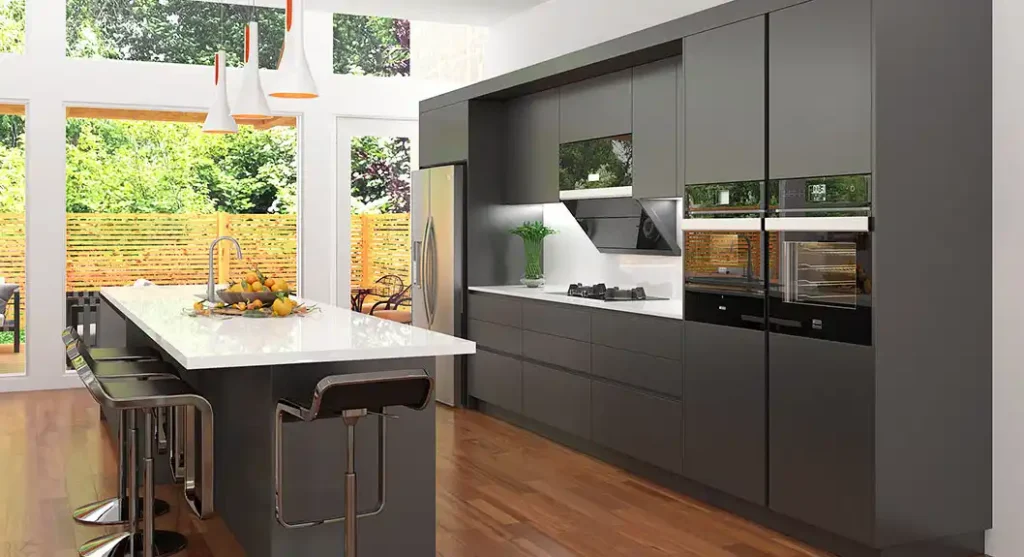


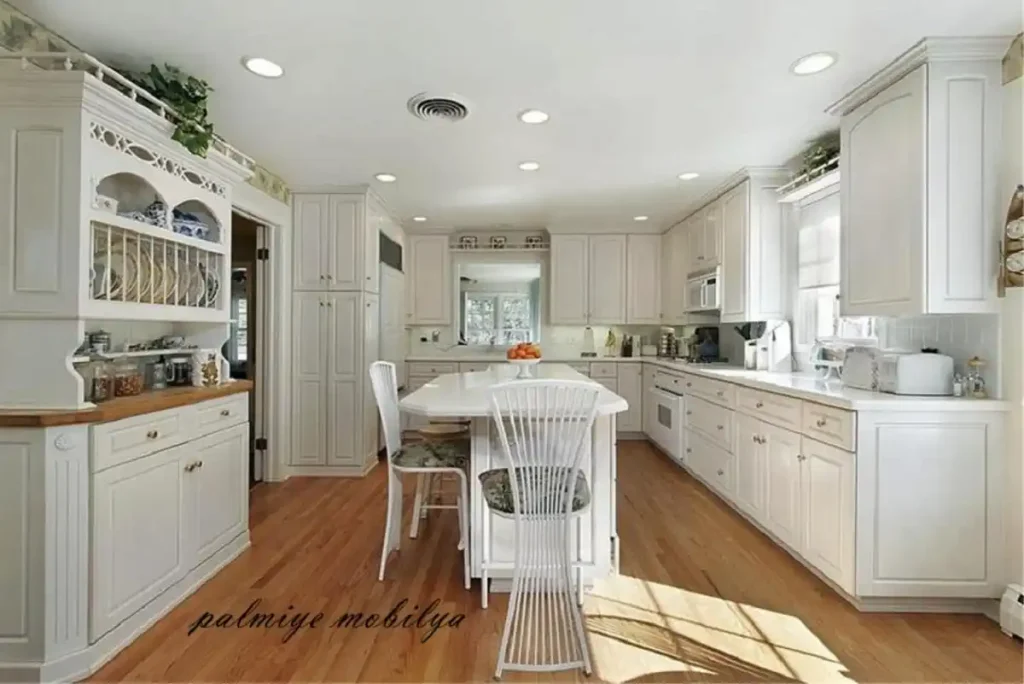
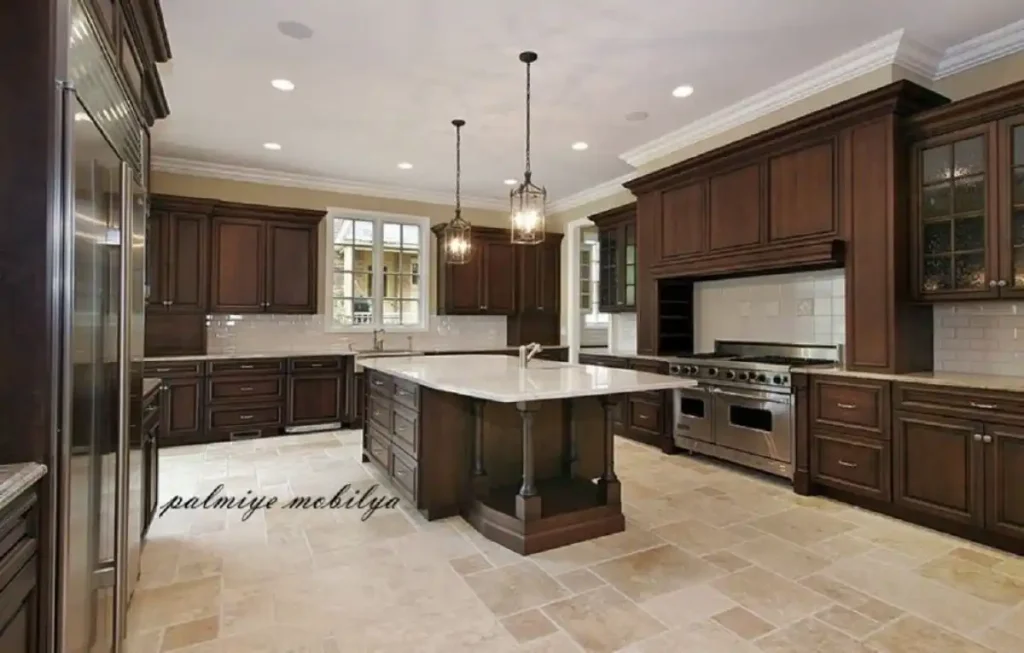
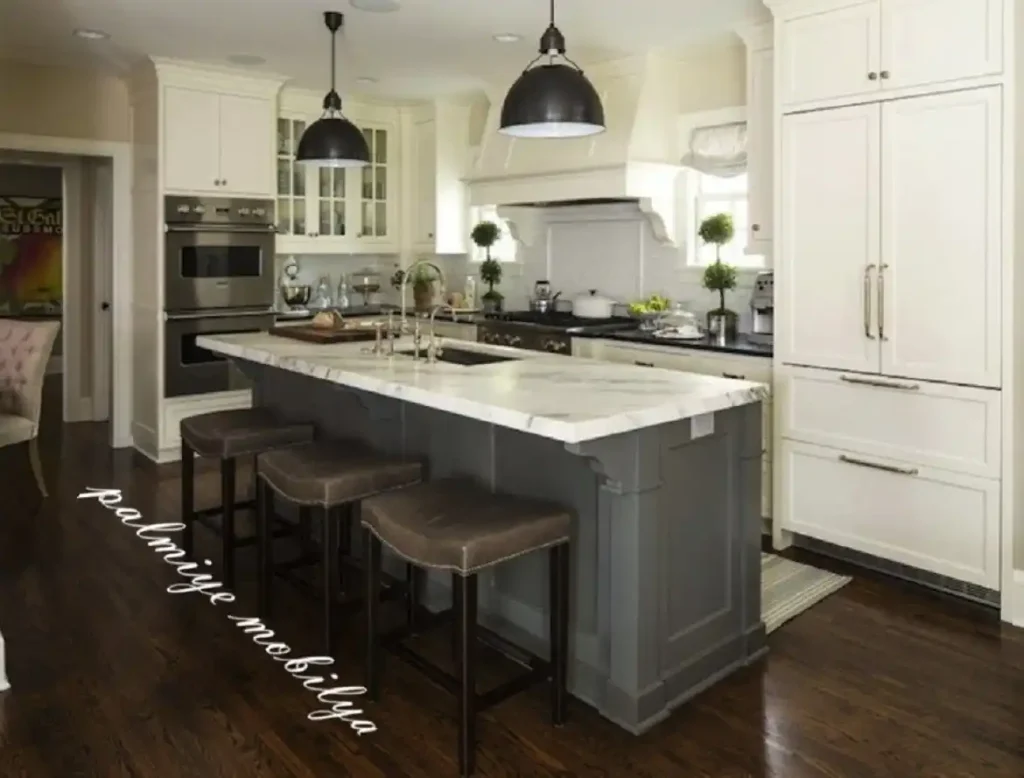
Etiket:Anthracite Kitchen Cabinet Turkey, Grey Kitchen Cabinet Turkey, Lacquered Door Production Turkey, Louvered Door Kitchen Bathroom Manufacturing Turkey, Louvered Door Solid Wood Kitchen Cabinets Turkey, Mass Production Kitchen Bathroom Cabinets Turkey, Moisture-Resistant Kitchen Cabinet Turkey, Silk Matte Kitchen Cabinet Turkey, Solid Wood Door Production Turkey, Solid Wood Door Turkey, Solid Wood Door Window Production Turkey, Water-Resistant Bathroom Cabinet Turkey, White Kitchen Cabinet Turkey, Wooden Door Production Turkey

Şunları da sevebilirsiniz
Lacquered Room Doors Production Turkey
Solid Wood Door Turkey