Solid Wood Kitchen Turkey
Solid Wood Kitchen Turkey: The Definitive Industrial Guide to Material Engineering, Advanced Joinery Craftsmanship, and Global Procurement Standards
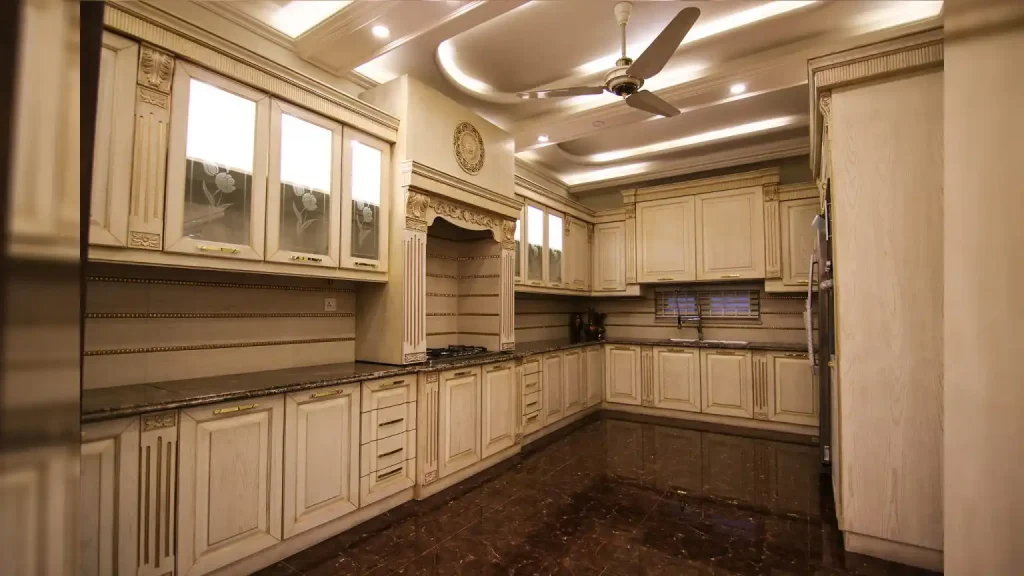
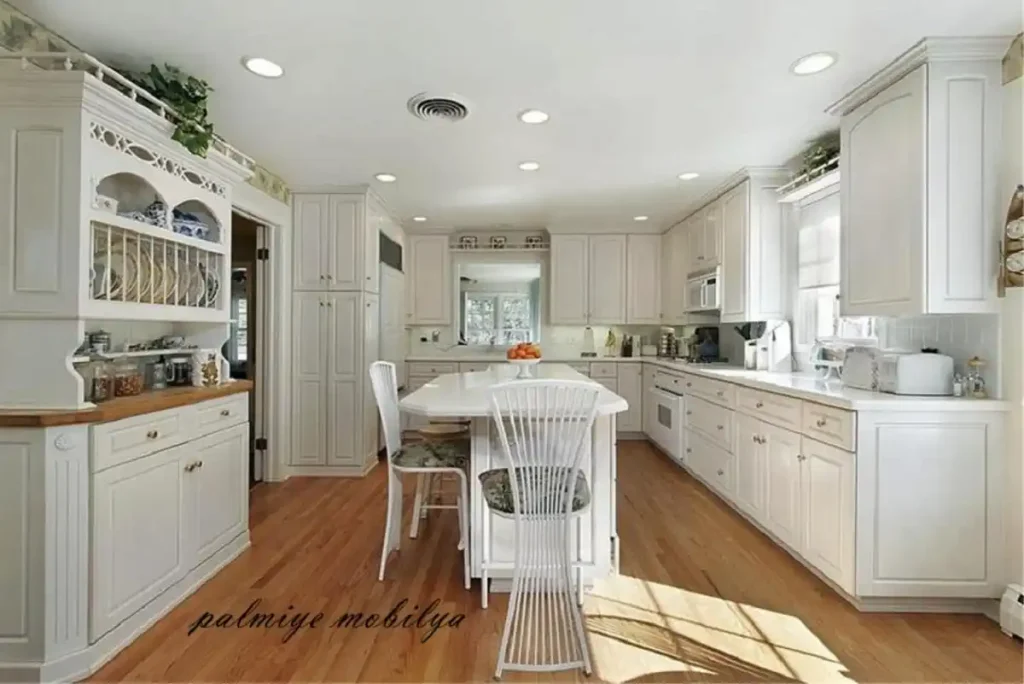
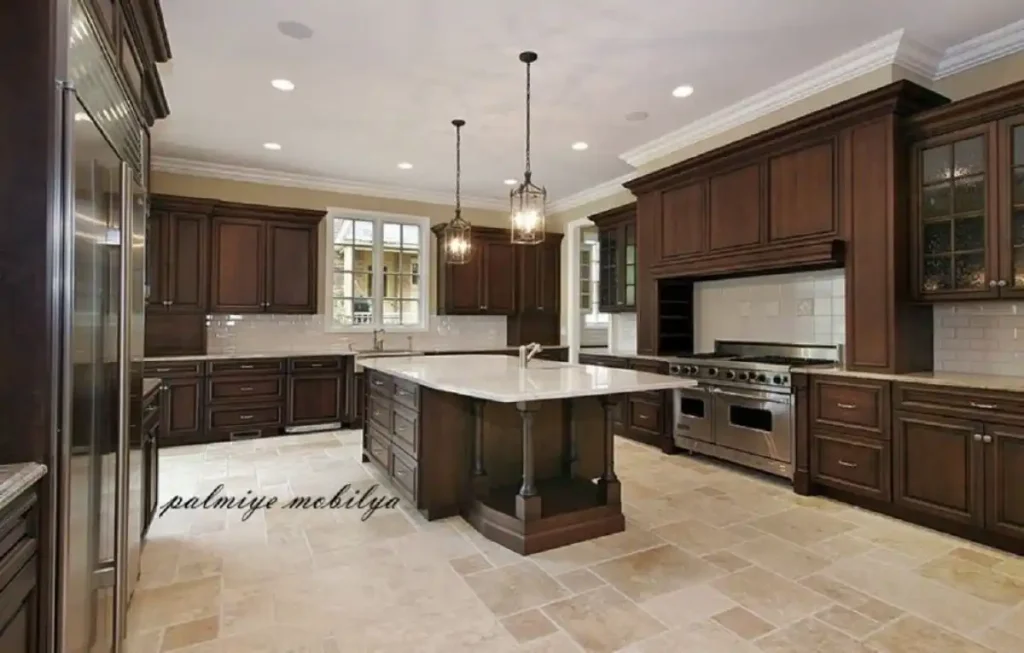
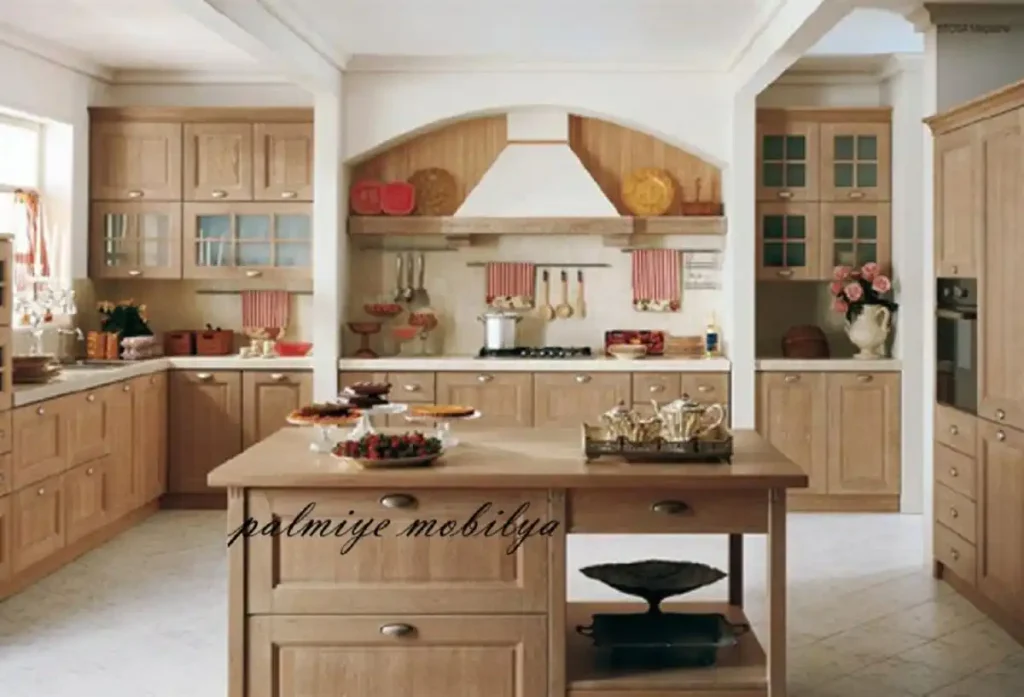
The global landscape of residential architecture and luxury real estate development has experienced a significant paradigm shift. Modern developers, high-end interior architects, and international supply chain managers look far beyond superficial laminate finishes or basic engineered boards when sourcing premium culinary spaces. They demand raw structural integrity, natural longevity, biophilic aesthetic patterns, and products engineered to survive the most grueling indoor microclimates. At the absolute apex of this international evolution is the Solid Wood Kitchen Turkey manufacturing sector.
By systematically bridging generational hand-carving woodworking traditions with massive capital investments in automated Industry 4.0 timber processing complexes, Turkey has established itself as an elite global manufacturing epicenter for premium hardwood cabinetry. Turkish factories produce thousands of high-capacity custom and modular timber culinary environments daily, successfully satisfying the rigid quality, durability, structural safety, and low-emission chemical codes of Western European, British, and North American markets. This comprehensive guide provides an exhaustive, engineering-grade analysis of the Solid Wood Kitchen Turkey industry, detailing regional industrial macro-infrastructures, wood species botanical sciences, automated stabilization drying methods, precision joinery carpentry physics, innovative surface protection finishes, and cross-border supply chain logistics.
1. Macroeconomic Infrastructure of Timber Sourcing from Turkey
The global rise of the Solid Wood Kitchen Turkey supply line within international architectural, hospitality, and retail networks is backed by strategic state-directed industrial clustering, extensive regional timber processing hubs, and direct integration with native logistics networks. Turkey has engineered its manufacturing footprint to optimize timber panel refinement, minimize middleman carbon tracking, compress manufacturing lead times, and deliver exceptional scale efficiencies.
Specialized Regional Industrial Clusters
Rather than relying on fragmented, isolated artisan workshops, contemporary Turkish solid timber kitchen manufacturing operates through highly integrated, technologically advanced regional clusters. This collaborative ecosystem pairs sustainable logging and primary log breakdown mills with high-speed downline computer-guided milling lines:
- İnegöl (Bursa): Long recognized as the structural furniture design and engineering capital of Turkey, İnegöl is the heart of automated mass-customization. Factories here excel at managing complex, multi-stage hardwood surface treatments—such as natural matching across consecutive timber panels, routing intricate classic and modern integrated shaker doors, or applying specialized waterborne silk-matte protective topcoats—across massive multi-family housing orders without delaying delivery windows.
- Ankara (Siteler): The legendary industrial heart of traditional Turkish woodcraft. While Siteler incorporates historical generational workshop secrets, its modern outer industrial expansions have developed high-capacity automated modular lines that excel in processing raw timber logs into flawless mortise-and-tenon structural kitchen profiles. It remains the primary source for highly intricate, carved, and heavy-timber bespoke layouts.
- Kocaeli, Gebze, and the Marmara Belt: Geographically positioned adjacent to Turkey’s primary industrial chemical labs and deep-water shipping lanes. This cluster leads the industry in technical research, pioneering moisture-resistant timber impregnations, advanced polyurethane (PUR) structural cross-linking cross-bonds, and non-yellowing botanical-acrylic topcoats used to protect raw wood grain.
- Istanbul Suburbs (Hadımköy, Dudullu, Tuzla): Serving as the premium export corridor, this region excels at bridging complex international architectural specifications with domestic factory processing. It specializes in high-end OEM/ODM production for elite hospitality chains and custom luxury residential towers.
Global Compliance and Tariff Optimization Advantages
Turkish manufacturers build and test their timber cabinetry systems in strict accordance with international technical codes. Products emerging from the Solid Wood Kitchen Turkey sector conform with European Norms (EN 384 for structural timber parameters, EN 204 for adhesive tracking classifications), British Standards (BS), German DIN benchmarks, and American National Standards Institute (ANSI/KCMA) requirements. For supply chain directors in Western Europe and North America, sourcing from Turkey provides a strategic shield against the steep anti-dumping duties, high tariffs, and unpredictable supply chain disruptions that frequently affect East Asian logistics corridors.
2. Botanical Material Science: Selecting and Sourcing Premium Wood Species
The core durability and visual depth of a Solid Wood Kitchen Turkey installation depend directly on the botanical characteristics, cell densities, and structural grain layout of the chosen timber species. Kitchen environments represent a hostile microclimate characterized by high ambient moisture vapor, shifting temperatures, localized water splashes, and physical contact. Turkish fabricators select specific hardwoods and premium softwoods based on clear engineering baselines.
Indigenous and Imported Hardwood Classifications
1. European Oak (Quercus robur / Quercus petraea)
Sourced extensively from sustainably managed domestic forests in the Black Sea region and premium European timberlands. Oak represents the gold standard for luxury kitchen construction.
- Density Profile: Typically exhibits a high air-dry density ranging from 720 kg/m³ to 760 kg/m³ with a Janka hardness rating of roughly 4,980 N.
- Anatomical Performance: Features a prominent open-grain structure rich in natural tyloses—cellular outgrowths that plug the water-conducting vessels of the wood. This biological feature blocks internal capillary water transport, providing outstanding organic resistance to fungal decay and liquid moisture penetration near kitchen cleaning zones.
2. Anatolian Walnut (Juglans regia)
World-renowned for its intricate, dark swirl grain patterns, variegated warm brown color tones, and high aesthetic prestige. Sourced from historical domestic orchards and managed forests.
- Density Profile: Possesses a calibrated density of approximately 640 kg/m³ to 680 kg/m³ with a Janka hardness of 4,490 N.
- Anatomical Performance: Offers excellent dimensional stability with low shrinkage coefficients. It holds sharp CNC profile cuts flawlessly without edge chipping, making it the premier timber for custom luxury handleless grooved fronts and high-end drawer box configurations.
3. European Beech (Fagus sylvatica)
Abundant in Turkey’s northern mountainous industrial logging zones. Beech features a micro-fine, closed-grain pattern with a highly homogeneous density profile.
- Density Profile: Features an exceptional density profile of 710 kg/m³ to 750 kg/m³ with a high Janka hardness of 5,780 N.
- Anatomical Performance: Possesses exceptional shock-resistance and massive bending strength parameters. Because it exhibits a completely neutral grain pattern free of intense pore structures, it is utilized as the premier structural solid wood substrate for flawless, opaque silk-matte lacquered kitchen profiles.
4. Siberian Larch (Larix sibirica) and Premium Pine
Utilized for rustic country-style, Alpine, or coastal-inspired kitchen cabinetry. Larch features an intensely dense annual growth-ring structure due to cold-climate growth. It is saturated with natural oleoresins that function as an organic waterproofing compound, preventing structural rot and wood fiber degradation under cycling ambient moisture levels.
3. Advanced Timber Stabilization: The Science of Kiln Drying
Raw wood is a highly complex, hygroscopic cellular material. It continuously absorbs and releases ambient water vapor to achieve thermodynamic equilibrium with its surrounding environment. If raw, unseasoned timber containing high internal cellular moisture is directly machined into delicate kitchen cabinet door stiles or louvered panels, the subsequent moisture loss inside an air-conditioned home will cause catastrophic structural twisting, bowing, surface checking, and joint failures.
To neutralize these dynamic forces, every premium participant in the Solid Wood Kitchen Turkey ecosystem applies advanced computerized thermal conditioning protocols prior to cutting a single piece of wood.
Cellular Moisture Content Calibration
Timber entering Turkish manufacturing pipelines is transferred directly into fully automated dehumidification and vacuum kiln-drying chambers (such as advanced systems from Seco/Warwick or Cathild).
[Raw Timber Log Breakdown] ---> [Air-Drying Yard Pre-Conditioning]
                                               |
[Computerized Vacuum Kiln Processing] <--- [Automated Core Moisture Sensors]
          |
[Equilibrium Moisture Content (EMC) Achieved: 6% to 10%]
          |
[Stress-Relieved Stabilized Timber Ready for CNC Machining]
- The Dehumidification Phase: The wood is subjected to gradual, computer-controlled temperature elevations and humidity extractions spanning several weeks. Automated inline core probes continuously monitor the electrical resistance of the timber to map moisture loss from the surface to the geometric center of the wood block.
- Target Equilibrium Moisture Content (EMC): For kitchens destined for arid or highly climate-controlled export regions (such as North America and the Gulf Cooperation Council countries), the wood is seasoned to an exact internal moisture level of 6% to 8%. For European coastal regions, it is calibrated to 8% to 10%.
- Thermal Modification & Stress Relief: At the final stage of the kiln cycle, a gentle steam conditioning phase is introduced to relieve the internal mechanical stresses trapped within the wood cells during the cellular contraction process. This prevents future structural bowing or internal splitting when the timber is fed into high-speed CNC routing spindles.
4. Precision Carpentry Joinery and Structural Engineering
A true solid wood kitchen cannot rely on modern plastic dowels or basic sheet metal screws to hold its structural elements together. Over decades of heavy usage, the shifting expansion forces of real timber will pull weak mechanical fasteners apart. The longevity of the Solid Wood Kitchen Turkey sector depends on the precise integration of classical carpentry joinery interfaces executed via advanced digital robotics.
Stile and Rail Shaker Door Mechanics
The five-piece shaker door is an exceptional exercise in structural engineering. It consists of two vertical stiles, two horizontal rails, and a central floating solid wood or veneered insert panel.
+----------------------------------------+

|               Top Rail                 |
+----+------------------------------+----+

|    |                              |    |
|    |                              |    |
| S  |                              | S  |
| t  |        Floating Center       | t  |
| i  |         Solid Timber         | i  |
| l  |            Panel             | l  |
| e  |     (Expansion Clearance)    | e  |
|    |                              |    |
|    |                              |    |
+----+------------------------------+----+

|             Bottom Rail                |
+----------------------------------------+
- Deep Mortise-and-Tenon Interlocking: Turkish factories utilize automated double-end tenoners to machine true interlocking mortise-and-tenon joints at the frame corners. The projecting tenon of the horizontal rail inserts deeply into the routed mortise pocket of the vertical stile, maximizing the architectural surface area for chemical cross-linking adhesives.
- The Floating Panel Clearance Slot: The central solid wood panel is never glued permanently to the outer frame. Instead, it slides into a continuous precision-routed perimeter groove. Turkish CNC lines program a fractional expansion clearance gap (typically 2mm to 4mm) hidden inside the groove depth. This allows the central panel to expand and contract laterally during seasonal humidity peaks without exerting mechanical stress on the outer frame, preventing door cracking or frame detachment.
Engineered Solid Panels: Finger-Jointing and LVL Formulations
To build wide, flat surfaces for cabinet box sides, shelves, and heavy kitchen tabletops, raw lumber planks must be structurally rearranged. Sourcing from a Solid Wood Kitchen Turkey production pipeline guarantees the use of advanced engineered solid edge-glued panels (EGP):
- Finger-Jointed Core Blocks: Short, flawless lengths of premium timber are joined lengthwise using interlocking geometric zig-zag finger joints bonded under immense longitudinal pressure.
- Alternating Grain Alignment: When gluing consecutive timber strips edge-to-edge to form a wide board, Turkish master craftsmen alternate the growth-ring orientations (pith-side up, pith-side down). This structural configuration forces the natural expansion vectors of the individual wood strips to neutralize each other, ensuring that the completed panel remains dead-flat permanently.
5. Industrial Surface Preservation: Advanced Chemical Coating Matrix
Because a premium solid wood kitchen is continuously challenged by cooking greases, citric acids, boiling water spills, and physical impacts, it requires an exceptional outer protective shield. The finishing cleansrooms within the Solid Wood Kitchen Turkey cluster deploy advanced multi-tiered automated finishing workflows designed to preserve the wood grain’s natural sensory depth while establishing an impenetrable moisture barrier.
Sanding Calibration and Fiber De-Fuzzing
Before a single drop of liquid lacquer touches the timber, the assembled cabinet doors pass through multi-stage wide-belt calibrating sanders combined with automated linear brush-sanding machines.
- Calibrated Grit Progression: Panels are sanded using a precise progression of abrasive grits, stepping from a coarse 120 grit up to an ultra-fine 320 grit.
- Pore Cleaning and Fiber De-Fuzzing: Oscillating bristle brushes enter structural profiles to clear out compressed wood dust from the open grain pores and shear off microscopic loose wood fibers (fuzz), ensuring a perfectly clean surface for optimum chemical primer adhesion.
Technical Treatment Coating Systems
| Coating Technology | Resin Core Chemistry | Microclimate Protection Level | Aesthetic Finish Profile |
|---|---|---|---|
| Two-Component Aliphatic Polyurethane | Polyisocyanate cross-linked PU resins | Maximum (Class 5) – Complete resistance to boiling water, steam, household chemicals, and cosmetics. | Exceptional opaque solid colors; available in ultra-high-gloss or rich matte textures. |
| Non-Yellowing Acrylic Topcoats | Pure acrylic polymers with HALS UV-absorbers | High (Class 4) – Absolute optical clarity; entirely blocks UV-induced timber yellowing over time. | Preserves the authentic raw coloration of American Walnut, European Ash, and Oak. |
| Waterborne Bio-Based Coatings | Eco-friendly water-dispersed polyurethane-acrylics | High (Class 4) – Low-VOC emissions; complies with strict European Green Deal and LEED interior indoor air metrics. | Low-glare, open-pore natural tactile finishes that breathe organically. |
| Reactive Natural Hardwax Oils | Plant-based linseed, tung oil, and carnauba wax compounds | Balanced (Class 3) – Penetrates deep into the wood cells rather than forming a surface film; spot-repairable. | Traditional rustic, ultra-matte country kitchen looks with an organic touch. |
Electrostatic Robotic Spray Application Cleanrooms
To ensure that coatings reach deep inside every routed corner and joint crease of a detailed five-piece solid wood door, Turkish mega-factories run automated robotic reciprocating spray systems integrated with an electrostatic charge circuit:
- The Charge Dynamics: The liquid atomized lacquer is given a strong negative electrical charge at the spray nozzle tip, while the timber cabinet door assembly is securely grounded on the conveyor system.
- The Wrap-Around Phenonmenon: As the robotic arm tracks the panel, the negatively charged paint droplets are naturally drawn along electromagnetic field lines toward the grounded wood substrate. The paint physically wraps around curved moldings and pulls itself deep into internal joint crevices, eliminating un-coated shadow zones, securing a completely uniform dry film thickness across the layout, and providing a continuous moisture seal.
6. Carcass Engineering and Heavy-Duty Structural Foundations
A premier solid wood cabinet frontal requires a incredibly robust, self-supporting cabinet box (carcass) capable of carrying massive quartz, granite, or solid marble countertops without micro-flexing. The structural designers of the Solid Wood Kitchen Turkey sector offer two core carcass engineering configurations depending on the project’s technical specifications.
Premium Hardwood Carcass Configurations
- Solid Edge-Glued Wood Panels (Three-Ply EGP): The ultimate luxury configuration, utilizing real timber strips glued under immense pressure for the cabinet sides, floor, and top rails. It delivers absolute screw-holding capacity, allowing hinges and drawer glides to be anchored directly into real hardwood fibers for lifetime stability.
- Veneered Moisture-Resistant Blockboard: Composed of a solid wood core made from strips of kiln-dried softwood (such as Pine or Fir) sandwiched between two cross-laminated layers of high-density MDF, finished with a matching real hardwood veneer layer. This layered design neutralizes internal wood flex entirely, rendering the cabinet box completely stable and highly moisture-resistant.
Precision Carcass Joinery and Hardware Integration
Turkish automated factories deploy through-feed boring machines to prepare carcasses for heavy mechanical loading:
- High-Density Fluted Wooden Dowels: Injected with D4 water-resistant structural adhesives and driven into pre-drilled layout holes via automated pneumatic driving blocks, creating a rigid corner joint.
- Fully Grooved Rear Backing Panels: Carcass side panels are routed with a continuous 8mm deep rebate slot along the rear edge. The cabinet back panel slides deeply into this enclosed groove framework rather than being simple rear-stapled. This locking setup increases the cabinet box’s resistance to diagonal racking forces, ensuring that every module stays perfectly square under intense weight.
Elite Mechanical Kinematics Ecosystems
To complement the natural prestige of solid wood cabinetry, Turkish production lines are factory-milled to seamlessly integrate premium, internationally certified moving hardware from market leaders like Blum, Hettich, Grass, and Samet (Turkey’s homegrown global hardware brand):
[Solid Wood Frame] ---> (Concealed 3D Hinge with Anti-Corrosion Zinc Face) ---> [Carcass Box Side]
                                                   |
                             (Integrated Hydraulic Soft-Close Damper)
- Clip-On 3D Concealed Hinges: All-metal heavy-duty hinges fitted with integrated hydraulic soft-close dampers. These hinges provide micro-adjustability across three distinct dimensions (\(X, Y,\text{ and } Z\) axes), enabling installers to tune reveal lines by fractions of a millimeter to achieve crisp, parallel lines across the entire kitchen layout.
- Synchronized Undermount Drawer Runners: Heavy solid hardwood drawer boxes are mounted onto hidden undermount tracks boasting dynamic load ratings of 40 kg up to 70 kg per drawer. These runner mechanisms incorporate self-cleaning profiles and fluid-deceleration dampening bumpers that absorb aggressive slamming forces, protecting the structural tenon connections of the solid wood box.
7. Sustainable Forestry and Green Building Alignment
As international procurement regulations, carbon-accounting protocols, and green building goals tighten across Europe and North America, the Solid Wood Kitchen Turkey sector has aggressively realigned its industrial supply networks. Turkish producers prioritize verified ecological tracking alongside traditional technical metrics.
Chain of Custody Certifications (FSC and PEFC)
The top tier of Turkish solid timber kitchen manufacturers operates under rigorous FSC (Forest Stewardship Council) and PEFC (Programme for the Endorsement of Forest Certification) protocols. Every cubic meter of raw logs or processed lumber arriving at the factory gates is backed by a verified paper trail tracking it directly back to sustainably managed forests. These managed timberlands enforce strict limits on clear-cutting, protect regional biodiversity, prioritize forest regeneration, and secure fair working conditions for forestry laborers.
Suppressing Chemical Emissions and Formaldehyde Levels
Indoor air safety is a vital parameter in modern luxury residential construction, heavily governed by global building codes:
- E1 and E0 Emissions Baseline: All composite wood components (such as backing plywood layers or wood-resin cores) strictly comply with European E1 emission safety limits governing formaldehyde release. For high-specification green residential projects, factories regularly supply E0 or NAF (No Added Formaldehyde) panels.
- Transition to Low-VOC Coatings: By swapping out older, solvent-heavy finishes for advanced waterborne primers and UV photopolymerization coatings, Turkish factories have suppressed volatile organic compound emissions to near-zero levels. This eliminates dangerous chemical off-gassing inside the home, aligning the final culinary space with the critical indoor air quality requirements of LEED and BREEAM green building rating systems.
8. Strategic Sourcing Guide: Sourcing from Turkey
For procurement directors, commercial real estate developers, multi-family housing groups, and large-scale home improvement retail chains, the Solid Wood Kitchen Turkey supply line yields clear, multi-tiered business advantages.
Total Cost of Ownership (TCO) Optimization
Turkey presents a highly compelling business model that balances advanced industrial automation with highly optimized domestic production costs. The immediate proximity of vast regional logging concessions, domestic paint chemical laboratories, and global hardware suppliers eliminates expensive import transit layers for raw materials. This integrated industrial ecosystem allows Turkish mega-factories to offer premium, certified solid wood kitchen cabinetry at a highly competitive per-unit price point that matches or exceeds Western European mechanical and aesthetic benchmarks while remaining significantly lower in cost.
Agile OEM/ODM Mass-Customization Capacity
A common logistical bottle-neck when sourcing from major automated industrial complexes in East Asia is their reliance on ultra-rigid production scripts. They often require massive, inflexible Minimum Order Quantities (MOQs) of a single color and single dimension to justify running a line.
- The Turkish Alternative: Sourcing from Turkey provides outstanding digital manufacturing agility. Because every timber panel is marked with a custom barcode linked directly to a dynamic ERP matrix, factories can process an order for a multi-unit apartment complex where every single apartment features a unique floor plan and distinct door measurements, without needing to stop or slow the high-speed automated lines.
Strategic Logistical Nearshoring and Compressed Timelines
In large-scale commercial real estate and hospitality construction, prolonged delivery delays can lead to severe contract financial penalties. Turkey’s geographical positioning acts as a strategic shield against global supply chain disruptions:
- The European Continent: Truck freight from Turkish industrial zones can reach major Western and Central European distribution hubs within 4 to 7 days, avoiding unpredictable maritime shipping bottlenecks, port strikes, and canal delays.
- Global Export Markets: Utilizing deep-water, high-throughput container ports along the Aegean, Mediterranean, and Marmara seas (such as Ambarlı, Mersin, and Izmir), Turkish factories ship containerized cabinetry directly to the East Coast of the United States, North Africa, and the Gulf Cooperation Council (GCC) markets with highly compressed maritime transit schedules compared to transpacific lanes.
9. Technical Field Installation Frameworks and Lifelong Preservation Management
The ultimate structural alignment, effortless operational kinetics, and lifelong visual appeal of a Solid Wood Kitchen Turkey installation depend heavily on the precision of its field assembly and strict adherence to correct care practices post-handover.
Site Readiness and Environmental Stabilization Criteria
Solid wood kitchen components are highly sensitive to sudden ambient shocks and must never be brought into an active construction zone until the building’s interior microclimate has completely stabilized:
- Wet Trades Completion Sign-Off: All internal concrete pouring, wall plastering, drywall mudding, painting, and ceramic floor tiling must be 100% finished, cured, and dry.
- Microclimate Conditioning: The building’s heating, ventilation, and air conditioning (HVAC) systems must run continuously for at least 72 hours prior to cabinetry unboxing. The indoor relative humidity must be maintained between 40% and 60%, and the temperature must be kept between 18°C and 24°C. This environmental stabilization allows the wood components to adjust slowly to their permanent home, preventing sudden expansion or contraction.
Step-by-Step Field Installation Best Practices
- Laser Datum Line Mapping: Installers must map out the kitchen perimeter using a high-precision 360-degree self-leveling multi-line laser level. Cabinet carcasses must be anchored horizontally and vertically along an absolute geometric plane, independent of natural slopes or waves in the raw floor plaster or drywall face.
- ABS Base Leveling Adjustment: Base units are placed onto their high-impact ABS adjustable leveling legs. Installers adjust the threaded columns to distribute the cabinet weight evenly across all four feet, neutralizing floor dips and ensuring a perfectly flat foundation for heavy quartz, granite, or solid-surface countertops.
- Inter-Modular Structural Binding: Adjoining cabinet boxes are clamped tightly together face-frame to face-frame. Installers then pass specialized male-female sleeve binding screws through pre-drilled holes in the carcass sides, locking individual modular units into a single, cohesive structural layout.
- Hinge Reveal Calibration: The 3D adjustable concealed hinges must be calibrated using uniform shims or precise turn adjustments. Reveal gaps between the solid wood door edges should be set to a completely uniform 3mm. This gap ensures a clean architectural shadow line and provides sufficient clearance for seasonal micro-movements without causing doors to bind.
Comprehensive Lifelong Care and Maintenance Guidelines
To preserve the premium surface textures and prevent structural degradation of the cabinet seams, property maintenance teams and homeowners should adhere to precise cleaning protocols:
                       [Solid Wood Care Matrix]
                                  |
       +--------------------------+--------------------------+

       |                                                     |
[Daily Maintenance]                                   [Prohibited Actions]

       |                                                     |
(Soft Microfiber Cloth)                               (No Ammonia / Bleach)
(Lukewarm Water Clean)                                (No Acetone / Solvents)
(pH-Neutral Wood Soap)                                (No Scouring Sponges)
(Immediate Dry Wipe)                                  (No Steam Cleaners)
- Routine Surface Cleaning: Solid wood doors should be cleaned using a clean, soft microfiber cloth slightly dampened with lukewarm water and a pH-neutral, non-abrasive detergent. Wipe in gentle circular motions. Always follow immediately with a second dry microfiber towel to eliminate any remaining surface water streaks.
- Chemical Agent Exclusions: Never allow cleaning agents containing high concentrations of ammonia, chlorine bleach, acetone, or heavy industrial solvents to touch the timber. These aggressive chemicals will micro-fracture the cross-linked polymer network of protective coatings, leading to permanent structural discoloration and moisture barrier failures.
- Avoid Abrasive Tooling and Magic Erasers: Scouring pads, steel wool, or abrasive magic erasers are strictly prohibited. These tools rely on micro-abrasion, which will sand down the protective matte topcoats or scratch the natural hardwood fibers, leaving highly reflective polished patches or dull scuffs that cannot be repaired without fully stripping and re-spraying the door panel.
- Steam Cleaner Restriction: Never use localized steam cleaners on or near solid wood cabinetry. The sudden combination of intense heat and highly pressurized moisture will breach the lacquer envelope and destroy the internal cell walls of the timber, leading to localized fiber swelling, splitting, and coating delamination.
10. Future Horizons: Industry 5.0 and Intelligent Solid Wood Manufacturing
The development path of the Solid Wood Kitchen Turkey sector is moving rapidly toward an advanced future where traditional carpentry aesthetics converge with high-tech residential smart ecosystems and cognitive automation.
AI-Driven Optical Sorting Lines
Top-tier Turkish solid wood factories are deploying Industry 5.0 cognitive frameworks. High-resolution optical scanning arrays powered by artificial intelligence models are mounted directly over automated timber-cutting and layout-matching lines:
- Micro-Defect Sorting: As raw wood planks race past under high-speed industrial cameras, the AI instantaneously scans the surfaces, identifying and mapping internal cellular defects, micro-fractures, resin pockets, or unappealing knot structures that are invisible to the human eye, sorting them out of the premium cutting lines.
- Aesthetic Grain Harmony Matching: The AI calculates the mathematically perfect grain layout sequence across successive panels, ensuring that a vast run of solid timber drawer fronts exhibits a perfectly continuous, visually balanced wave grain pattern across the entire kitchen facade.
Touchless Motorized Servo Openings and Minimalist Lines
To accommodate the growing international architectural demand for ultra-minimalist, handle-free kitchen designs without compromising on solid hardwood door structures, Turkish factories pre-bore carcass sides to receive electromechanical opening drives. A light touch of the hand or knee on the cabinet front triggers an electric motor that glides the drawer or lift-up flap open silently. This removes the need for external pull handles, preserving clean, uninterrupted vertical timber grain profiles across the layout while preventing wet or stained cooking hands from making direct contact with the face panel.
Summary: Securing Competitive Advantage via Turkish Engineering
As demonstrated by this extensive industry analysis, the Solid Wood Kitchen Turkey sector represents a premier global standard for sourcing premium cabinetry. Through the combination of massive regional industrial clusters, rigorous wood stabilization protocols, automated PUR cross-bonding, precision mortise-and-tenon robotics, and innovative electrostatic finishing technologies, Turkish manufacturers successfully deliver high-volume, exceptionally durable timber kitchens that easily withstand the environmental stresses of modern luxury living. For international procurement managers, architects, and high-end real estate developers looking to balance unyielding technical performance with authentic natural aesthetics and an optimized total cost of ownership, partnering with Turkey’s premium timber cabinetry sector delivers a decisive, future-proof competitive advantage.


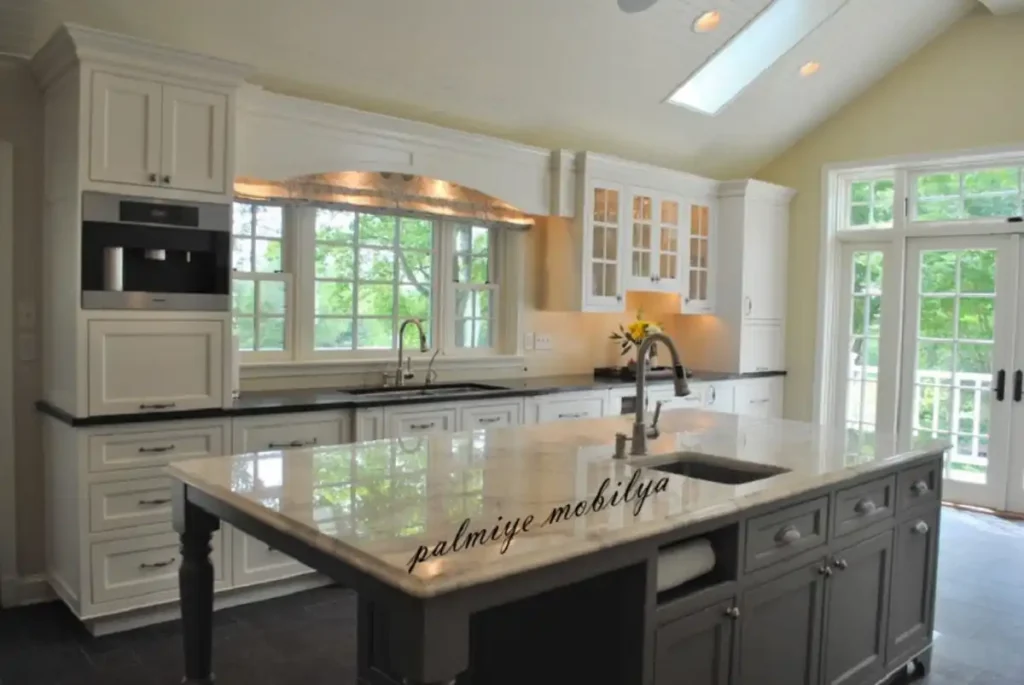
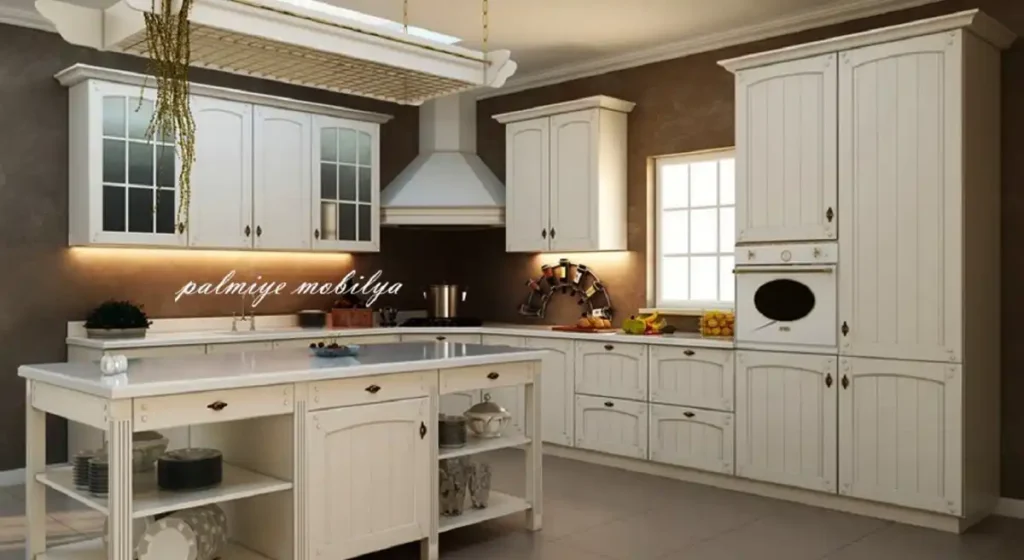
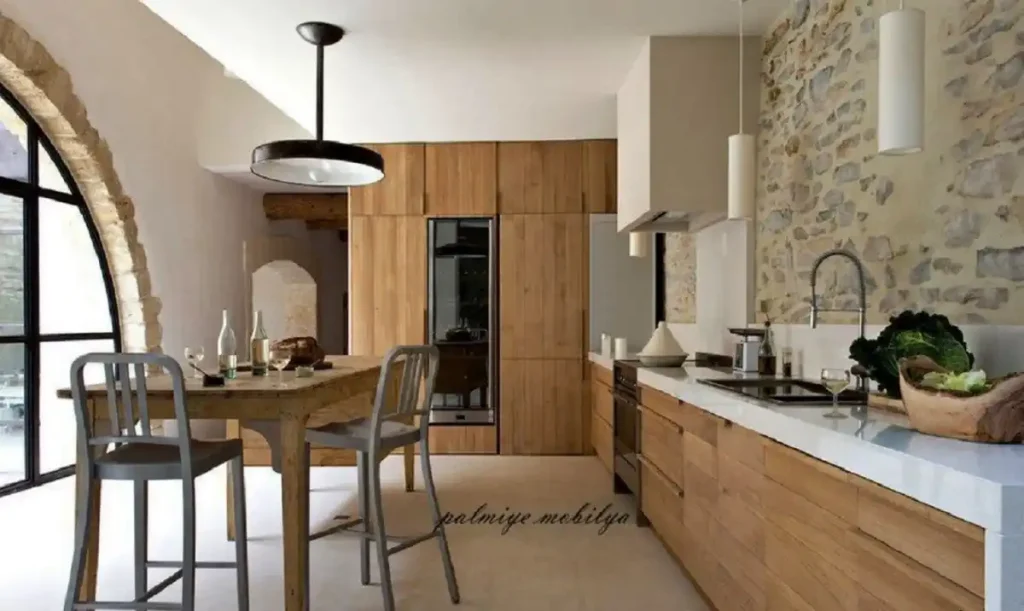
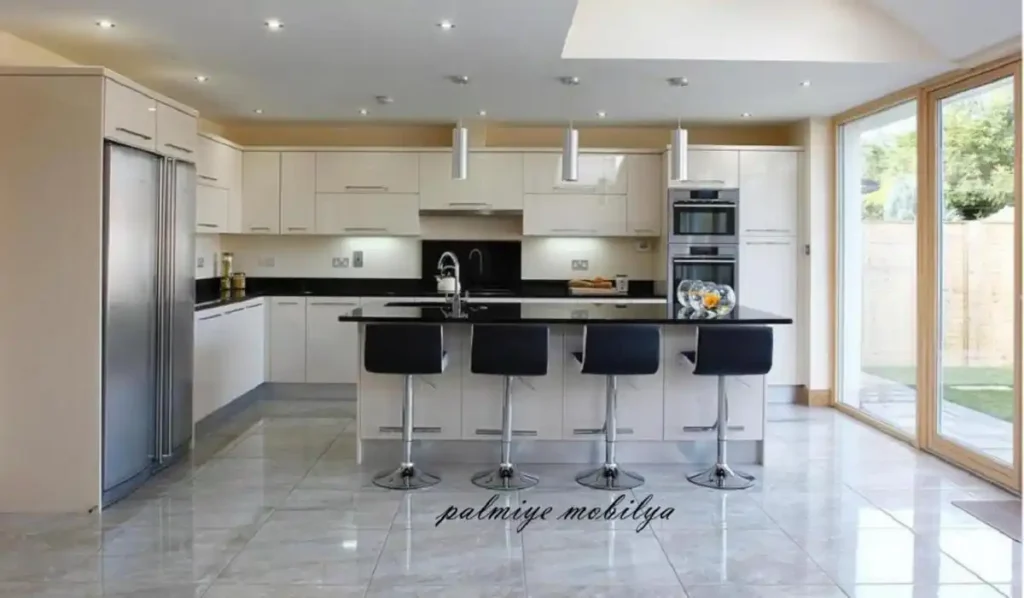
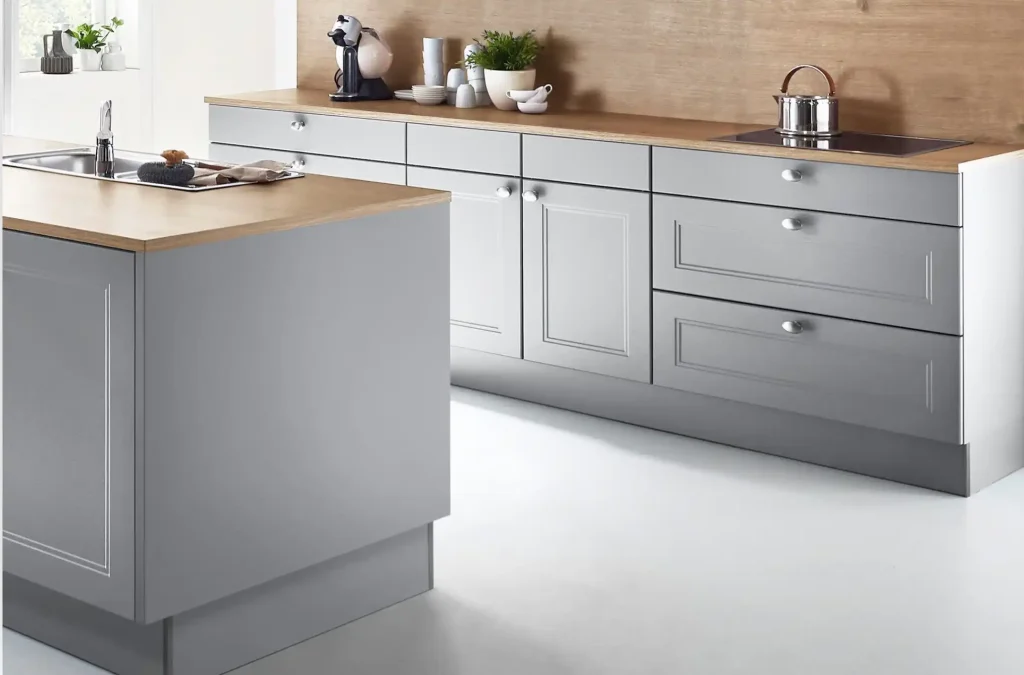
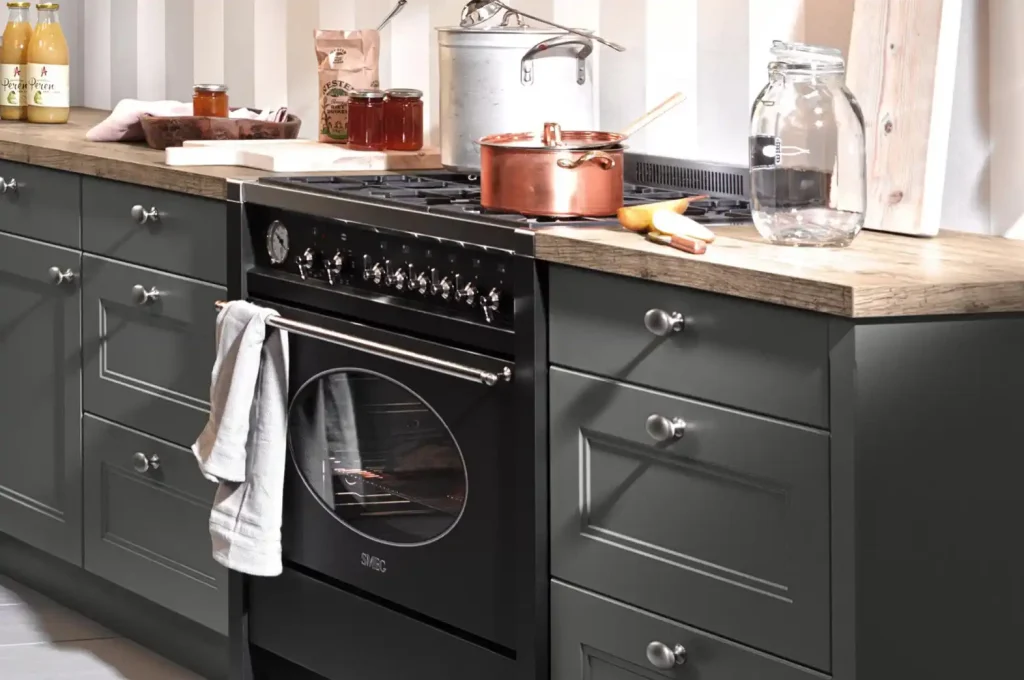
Etiket:Built-in Kitchen Cabinet Turkey, Cheap Bathroom Cabinet, Cheap Kitchen Cabinet, Chipboard Kitchen Cabinet Turkey, Country Kitchen Cabinet Turkey, Handleless Kitchen Cabinet Turkey, Island Kitchen Cabinet Turkey, Luxury Bathroom Cabinets Turkey, Luxury Kitchen Cabinets Turkey, MDF Bathroom Cabinet Turkey, MDF Kitchen Cabinet Turkey, Modular Kitchen Cabinet Turkey, Ready-Made Bathroom Cabinet Turkey, Ready-Made Kitchen Cabinet Turkey, Rustic Kitchen Cabinet Turkey, Small Bathroom Cabinets Turkey, Small Kitchen Cabinets Turkey, Wooden Bathroom Cabinet Turkey

Şunları da sevebilirsiniz
Lacquered Room Doors Production Turkey
Solid Wood Door Turkey